
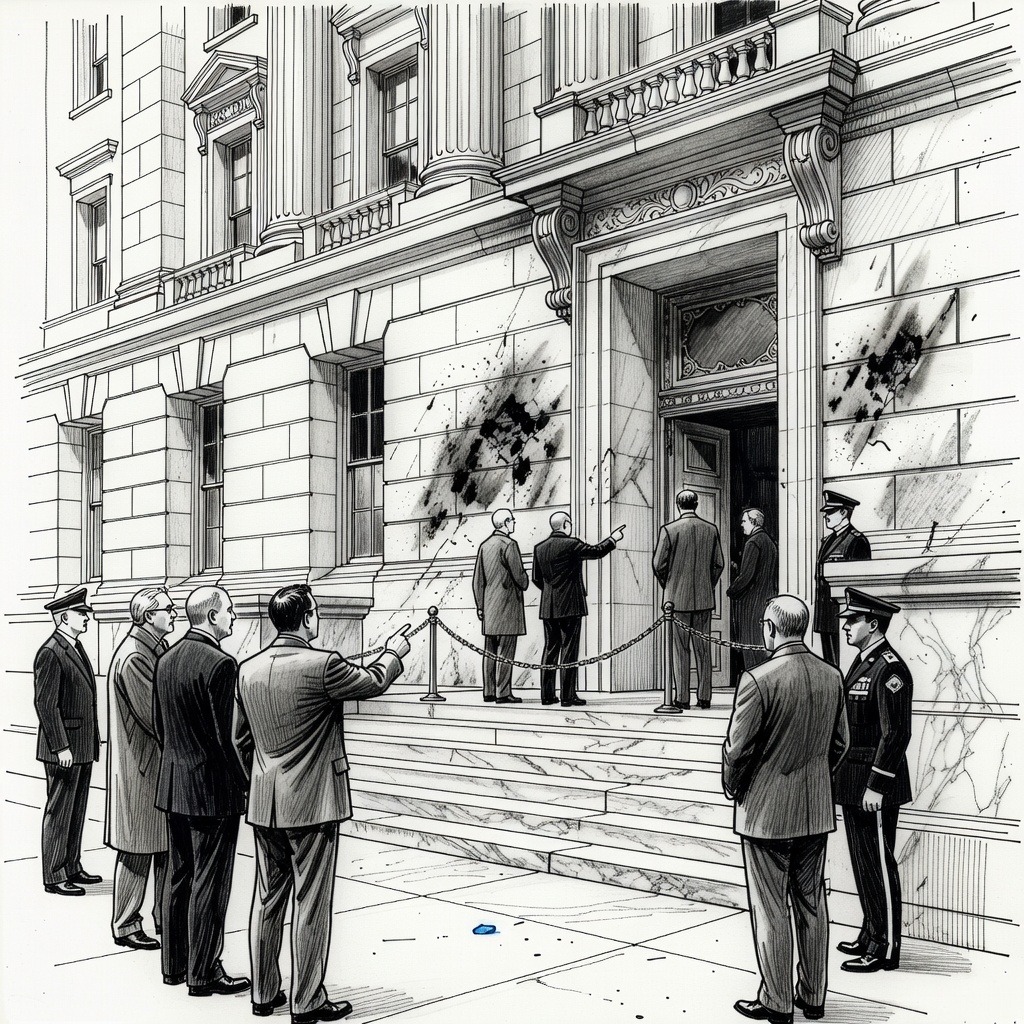
• Calibrate Proportional State Responses Values measured, evidence-based law enforcement over reactionary geopolitical escalation. Interprets the decision by the police security service to maintain the country's national terror threat level as a critical victory for procedural restraint. Highlights incident commander Mikael Dellemyr’s explicit caution against prematurely linking the blast to Iranian retaliation or U.S. military operations, arguing that leaping to unverified conclusions risks inflaming public panic and triggering unwarranted diplomatic friction.
• Shield Vulnerable Diaspora Communities Prioritizes the physical safety of marginalized civilian populations who frequently absorb the blowback of international tensions. Views the immediate deployment of enhanced security for Jewish and Iranian diaspora communities in Norway as the correct operational and moral priority. Recognizes that high-profile geopolitical incidents often act as catalysts for localized hate crimes or proxy violence, making the protection of these specific groups essential to preserving domestic social stability.
• Mitigate Geopolitical Blowback Risks Warns that an expansive overseas military footprint inherently generates asymmetric vulnerabilities. Connects the intentional Oslo explosion to the broader context of recent drone strikes and the attack on the U.S. embassy in Saudi Arabia, viewing these events as predictable symptoms of unresolved regional escalations. Argues that relying primarily on hard-power projection in the Middle East creates a perpetual cycle of retaliatory risk for global diplomatic outposts, underscoring the necessity of diplomatic de-escalation over perpetual militarization.
How it may affect me
As a U.S. reader:
• In the short term, U.S. citizens traveling abroad or seeking consular services may experience access delays and enhanced perimeter security as embassies mobilize resources to deter potential intentional attacks.
• Readers with family or travel plans connected to the Middle East may face immediate disruptions, as this explosion coincides with heightened regional security alerts and active U.S. evacuation flights prompted by recent drone strikes.
• Members of Jewish and Iranian diaspora communities may witness increased localized security precautions or social tension, as high-profile geopolitical events are noted to sometimes act as catalysts for proxy violence against specific civilian populations.
• Over the long term, ongoing asymmetric threats to American diplomatic facilities may necessitate a sustained reallocation of national resources toward defensive mobilization to counter retaliatory risks linked to U.S. military operations overseas.