
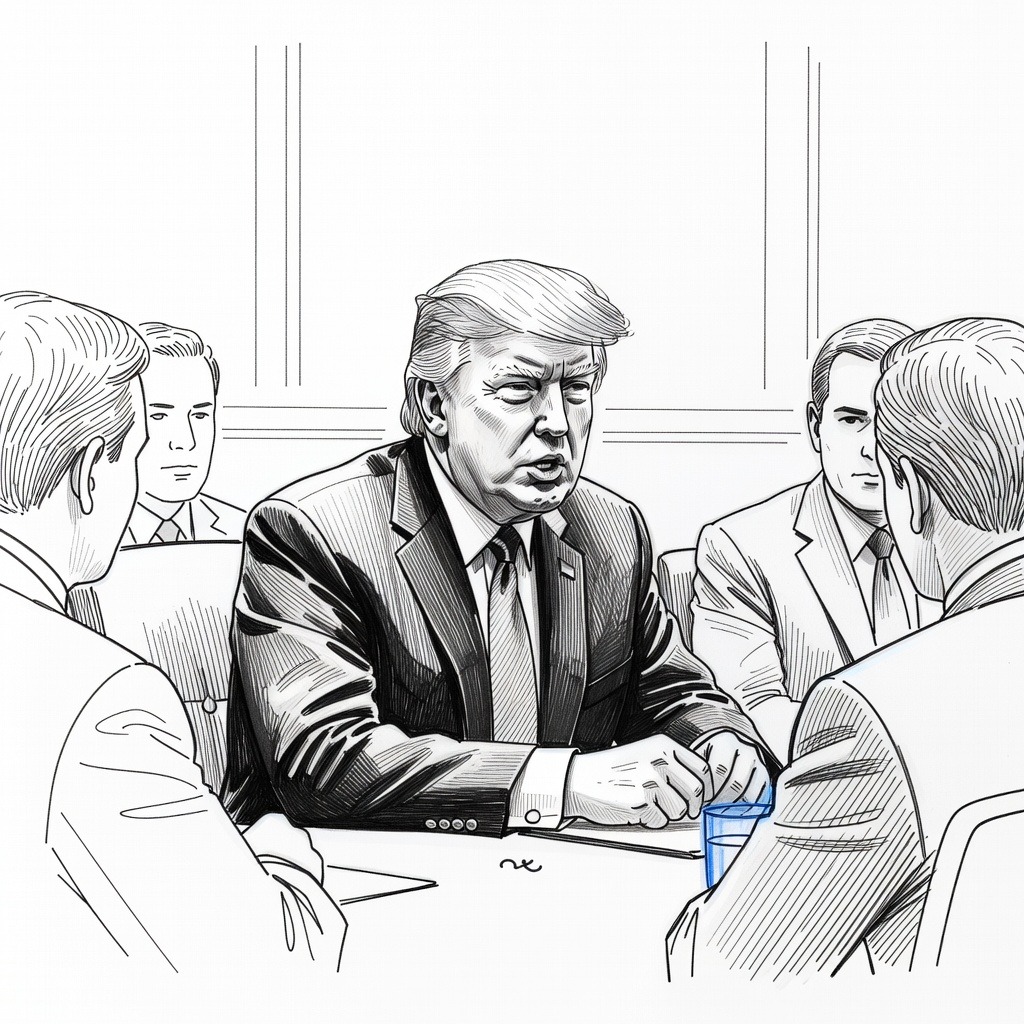
• Exclude the Labor Force Protecting vulnerable classes requires direct representation in the policies that dictate their livelihoods. During the White House roundtable on compensation, the student-athletes fundamentally impacted by these financial structures were deliberately excluded from the room. This absence signals a prioritization of the management class—politicians, coaches, and NCAA executives—over the actual workforce generating the multibillion-dollar revenue.
• Shield the Institutional Monopoly Challenging entrenched institutional extraction relies on preserving labor rights and economic mobility for individual workers. The proposed SCORE Act seeks to strip these protections by granting the NCAA a limited antitrust exemption and explicitly preventing athletes from being classified as employees. This legislative maneuver is viewed as an engineered legal firewall to protect a top-down cartel, actively halting the progress of recent legal settlements that finally allowed direct compensation to players.
• Strangle Equitable Wealth Distribution Social progress dictates that sweeping regulatory rollbacks inevitably harm the most marginalized groups within a system. Representative Lori Trahan highlighted that preempting state-level NIL regulations through federal intervention will actively harm women's sports by consolidating revenue at the top of the collegiate hierarchy. The anticipated legal challenges to the forthcoming executive order reflect a necessary defense of civil liberties and individual compensation rights against a regressive return to institutional exploitation.
How it may affect me
As a U.S. reader:
• In the short term, you may see changes to how local businesses and third-party collectives sponsor college athletes in your state, as the proposed federal actions aim to override existing state-level compensation laws.
• Immediate legal challenges against the planned executive order are expected, which will likely create temporary uncertainty around player compensation rules and the overall administration of the college sports programs you follow.
• Over the long term, the passage of the SCORE Act would legally prevent college athletes from being classified as employees, ensuring college sports maintain a traditional amateur framework rather than transitioning into a direct employer-employee professional league.
• The implementation of these federal regulations could impact the distribution of athletic funds at local universities, as opponents argue the proposed rules might consolidate revenue and alter existing financial opportunities specifically for female athletes.