
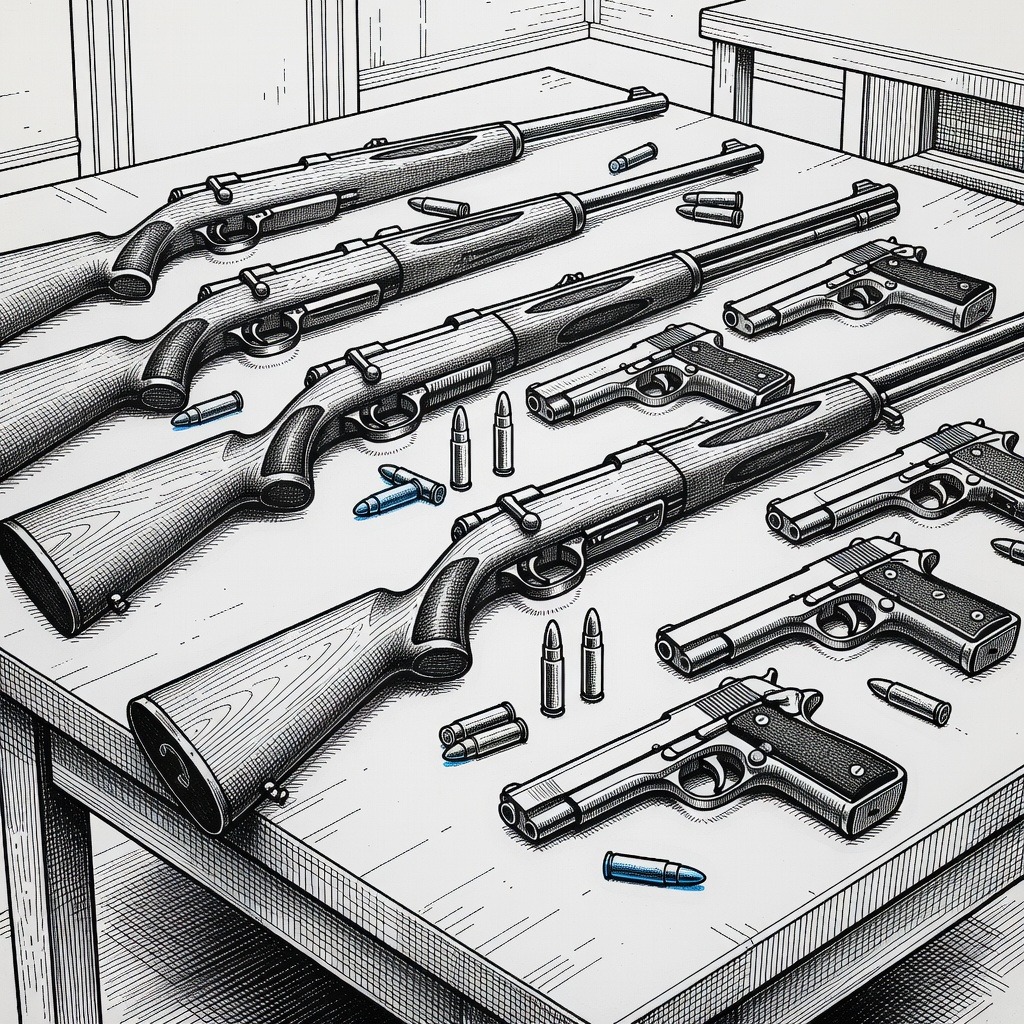
• Catalyst of Economic Strangulation The acute fuel shortages and resulting economic crisis are interpreted as direct consequences of a relentless U.S. oil blockade that ultimately punishes civilian populations. Humanitarian frameworks view this economic coercion as a destabilizing force that breeds desperation rather than democratic reform. When a society is besieged by external embargoes, the resulting instability creates a volatile environment that can incite reckless, violent plots, such as this armed infiltration attempt.
• Breach of Sovereign Legality The interception of ten heavily armed individuals carrying 12,800 pieces of ammunition to overthrow a government is viewed as a severe violation of international law. Diplomatic perspectives emphasize that unauthorized paramilitary violence, utilizing a stolen U.S.-registered speedboat, violently undermines regional stability and peaceful conflict resolution. Ensuring judicial accountability for those firing on military personnel is seen as essential to maintaining the rule of law and preventing vigilante regime-change efforts.
• Tinderbox of Regional Escalation This violent confrontation risks igniting a broader, uncontainable conflict in an already fragile geopolitical landscape. With Russian officials issuing direct warnings and recent U.S. operations targeting Iran and capturing Nicolás Maduro, advocates for de-escalation fear diplomatic off-ramps are being systematically dismantled. The looming threat of chief prosecutor Edward Robert Campbell reviving Cuba’s dormant death penalty against an American citizen could trigger a disastrous cycle of reciprocal military retaliation.
How it may affect me
As a U.S. reader:
• In the short term, boat owners and maritime businesses, particularly in Florida, may face increased law enforcement scrutiny regarding vessel security, as the incident involved an employee allegedly stealing a U.S.-registered speedboat to illegally transport high-powered weapons and ammunition.
• U.S. citizens face severe, immediate international legal consequences for participating in unsanctioned paramilitary activities, as demonstrated by at least one American currently facing terrorism charges and a potential death penalty abroad.
• In the long term, unauthorized armed operations launched from U.S. soil could compromise broader national security by escalating regional instability, potentially triggering reciprocal military retaliation and inviting opportunistic geopolitical interference from adversaries like Russia.