
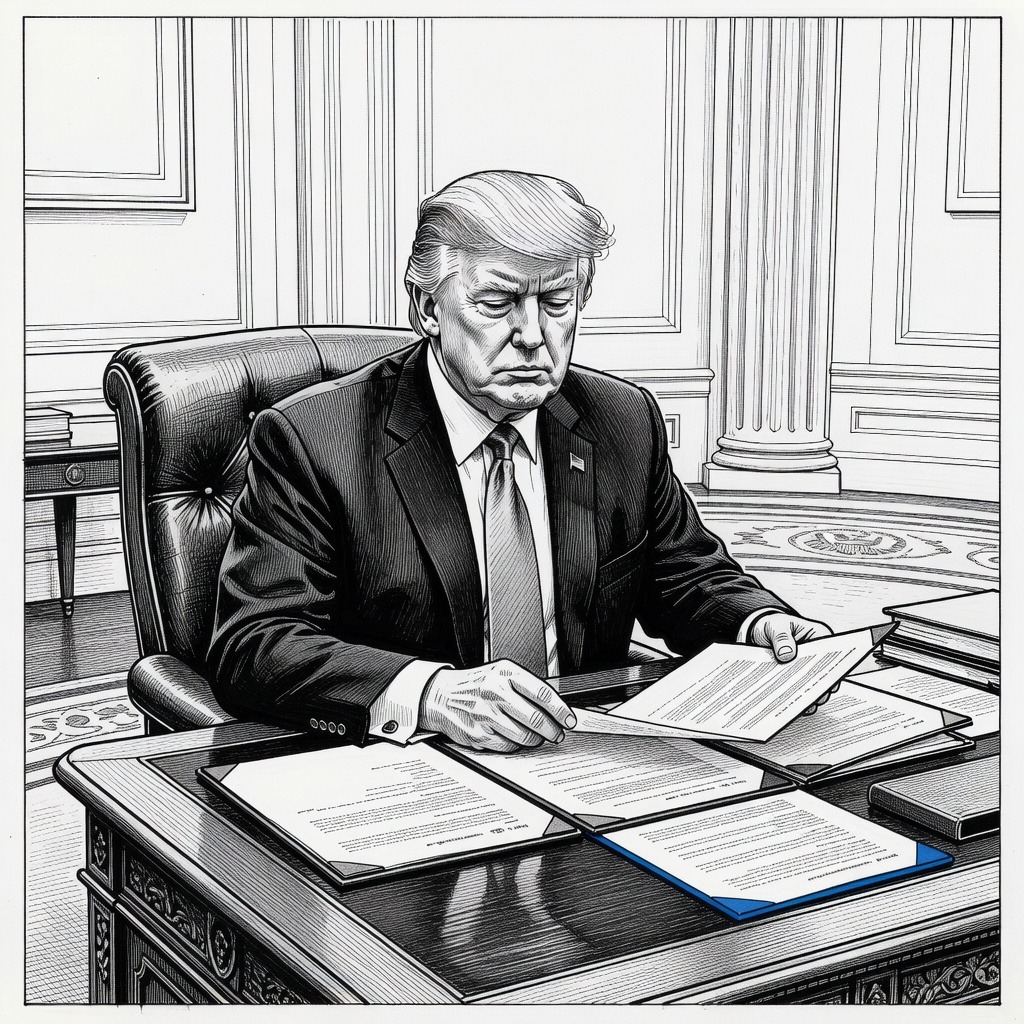
• Reclaiming Constitutional War Powers Prioritizing democratic oversight, this framework views unilateral executive warfare as a fundamental threat to constitutional balance. House Minority Leader Hakeem Jeffries’ push to block further strikes without congressional approval underscores the belief that entering a volatile conflict requires explicit legislative consent. The ongoing military action is seen not as decisive leadership, but as an unlawful bypass of democratic checks and balances that lacks a clear, justifiable rationale.
• Catalyzing Uncontrollable Regional Escalation Valuing de-escalation, this camp interprets the mounting casualties—including over 920 Iranian deaths and the loss of six U.S. soldiers in Kuwait—as proof that military intervention rapidly spirals into uncontrolled tragedy. Rather than establishing deterrence, sinking an Iranian frigate and triggering retaliatory drone strikes illustrate a dangerous cycle of reactionary violence. The priority is mitigating human suffering and halting a tit-for-tat dynamic that transforms American troops into targets rather than peacekeepers.
• Fracturing Global Supply Chains Rooted in international stability, this perspective fears the cascading economic and diplomatic consequences of aggressive military postures. Iran’s closure of the Strait of Hormuz and the Revolutionary Guard's attack on an American oil tanker are viewed as the direct, disastrous blowback of escalating tensions without a diplomatic off-ramp. Unilateral strikes are judged as strategically counterproductive, trading short-term tactical military damage for massive disruptions to international commercial shipping and global peace.
How it may affect me
As a U.S. reader:
• Military personnel and their families face immediate physical risks as regional violence escalates, underscored by the active deployment of 50,000 U.S. troops and the recent deaths of six Army Reserve soldiers in Kuwait.
• Short-term economic impacts and supply chain fractures are highly likely for consumers, driven by severe disruptions to international commercial shipping after Iran closed the Strait of Hormuz and attacked an American oil tanker.
• Long-term democratic oversight and the flexibility of future U.S. military operations may be altered depending on the outcome of the House vote regarding the president's authority to conduct strikes without explicit congressional approval.