
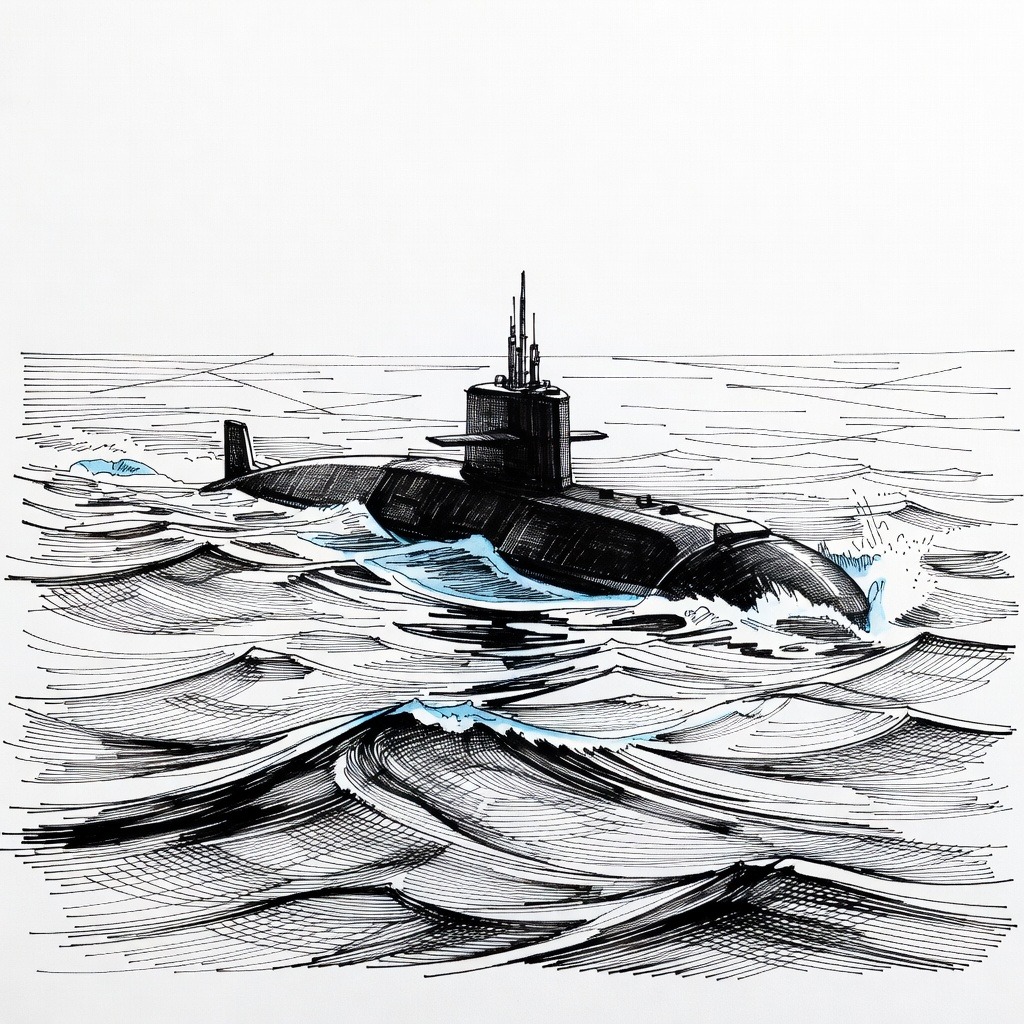
• Catalyst for Regional Escalation Valuing the preservation of human life and diplomatic de-escalation, this perspective views the sinking of the IRIS Dena as a dangerous accelerant toward total war. The massive human toll—with an estimated 180 personnel aboard and only 32 rescued by the Sri Lankan navy—highlights the devastating, irreversible cost of lethal maritime strikes. Sinking a sovereign vessel in international waters violently shrinks available diplomatic off-ramps, pushing both nations closer to an uncontainable conflict rather than securing regional peace.
• Gamble Without an Endgame Rooted in institutional oversight and the prioritization of international law, this camp aligns closely with the U.S. lawmakers questioning the broader strategy of "Operation Epic Fury." Systematically destroying 20 Iranian vessels without clearly defining an imminent threat or articulating a post-conflict resolution suggests a reactionary, open-ended campaign rather than a measured defense. This absence of a diplomatic horizon transforms these strikes into engines for perpetual conflict, isolating the U.S. from global allies like France and the UN who prioritize restraint over aggression.
• Erosion of Global Stability Prioritizing long-term global security architectures, this framework fears the joint offensive to dismantle Iranian infrastructure will inevitably trigger asymmetrical blowback. While tactical destruction of missile networks is framed as defensive, utilizing a submarine for a lethal strike for the first time since World War II shatters decades of historical restraint. Normalizing preemptive, devastating strikes against state-owned vessels sets a terrifying international precedent that invites retaliatory violence rather than neutralizing it.
How it may affect me
As a U.S. reader:
• In the short term, you may see increased security for global trade routes and allied targets, as the joint military campaign actively dismantles the adversarial weapons manufacturing and maritime infrastructure used to supply proxy forces.
• In the long term, you face the potential of the United States entering a broader, uncontainable regional war, as the unprecedented nature of these lethal submarine strikes increases the risk of asymmetrical blowback and retaliatory violence.
• You may experience the geopolitical consequences of an increasingly isolated U.S. foreign policy, as the continuation of this open-ended military offensive creates friction with international allies and organizations advocating for diplomatic de-escalation.