
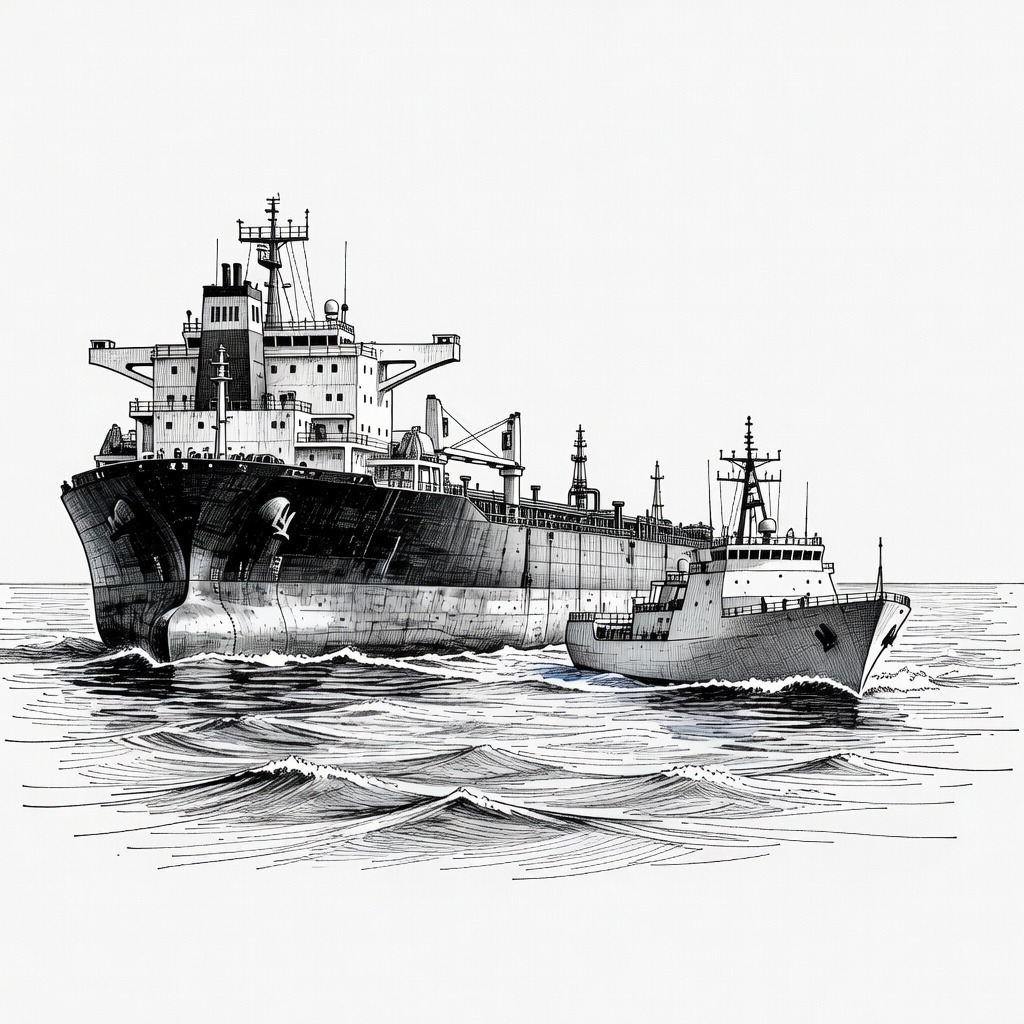
• Igniting Consumer Price Shocks The U.S. and Israel’s weekend airstrikes initiated a predictable cycle of retaliation that immediately penalized the broader public. By triggering Iranian strikes on regional energy infrastructure and halting traffic in the Strait of Hormuz, this military escalation created an artificial supply shock that drove U.S. crude up 11 percent over two days. This perspective views the initial conflict as a failure of policy that passes the immediate costs of geopolitical maneuvering directly onto the working-class consumer through volatile energy spikes.
• Socializing Private Corporate Risk The initiative announced by President Trump and Treasury Secretary Bessent to provide federal maritime insurance effectively transfers the financial hazards of a warzone onto the public ledger. Utilizing the International Development Finance Corporation to insure crude carriers shields private oil and shipping conglomerates from the true cost of their operations. This framework interprets the intervention not as a public service, but as a taxpayer-funded backstop that protects corporate profit margins while the public absorbs the catastrophic downside of regional warfare.
• Subsidizing Perpetual Energy Volatility Pledging U.S. naval escorts to manually suppress global benchmark Brent oil prices masks the inherent fragility of relying on conflict-prone fossil fuel supply chains. By artificially stabilizing the market, the administration overrides the natural pricing of risk that would normally incentivize a shift toward domestic or sustainable energy alternatives. The long-term fear is that using military and treasury resources to endlessly defend oil logistics traps the broader economy in an expensive, reactive cycle of intervention and dependency.
How it may affect me
As a U.S. reader:
• In the short term, you may experience volatile consumer energy prices, as overseas military strikes on energy infrastructure initially drive up crude oil costs before government actions attempt to stabilize them.
• Your retirement accounts or personal investments connected to major U.S. stock indices could see temporary instability while financial markets adjust to the heightened geopolitical risks.
• As a taxpayer, you will indirectly bear the financial risks of global commercial shipping, since public resources are being used to provide maritime insurance and naval escorts for private crude carriers.
• In the long term, this federal intervention may protect the broader domestic economy from a recession and entrenched inflation, but it could also prolong economic reliance on conflict-prone fossil fuel supply chains rather than transitioning to sustainable alternatives.