
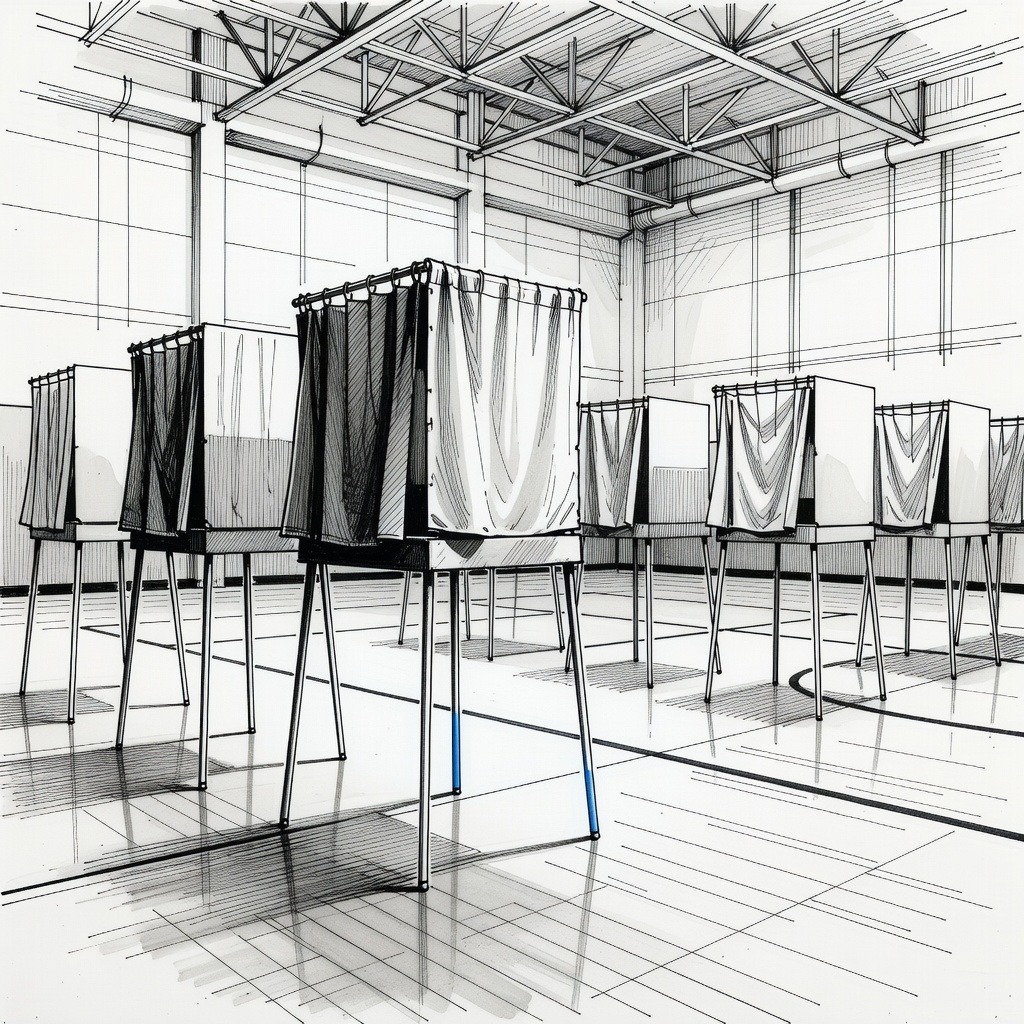
• Combating Institutional Voter Disenfranchisement This camp prioritizes equal access to the ballot box as the fundamental bedrock of democratic legitimacy. The Texas Supreme Court's emergency order to close Dallas County polls at 7 p.m. and discard late ballots is interpreted as a systemic mechanism of voter suppression. Because Dallas County represents a diverse, urban voting bloc, strict judicial adherence to arbitrary deadlines is viewed not as neutral law enforcement, but as a calculated tactic to dilute minority and progressive electoral power.
• Fueling Grassroots Electoral Momentum Reformers view mass participation as the ultimate remedy to entrenched systemic barriers. Talarico’s rapid $2.5 million fundraising surge following a federally altered television interview demonstrates how this camp successfully channels institutional friction into tangible political power. Furthermore, the record-breaking early voting turnout is celebrated as a mobilized, democratic rejection of the restrictive electoral frameworks maintained by the political establishment.
• Policing Internal Coalition Integrity The Left places a premium on social equity and protecting marginalized voices, extending strict accountability even to intra-party contests. Crockett’s accusations regarding darkened skin tones in PAC advertisements and the allegations of disparaging remarks about Colin Allred reflect an urgent need to purge systemic biases from within their own ranks. For this framework, forcefully challenging racial dynamics during the primary is a vital prerequisite to building a morally credible coalition for the general election.
How it may affect me
As a U.S. reader:
• In the short term, voters encountering local polling disruptions or confusion over voting locations may risk having their ballots separated and disregarded, as higher courts prioritize uniform statutory deadlines over local emergency extensions.
• In the long term, the outcome of the upcoming general election between James Talarico and either incumbent John Cornyn or Ken Paxton will determine representation for a U.S. Senate seat.
• Public confidence in local election administration may be tested by conflicting political narratives that frame logistical polling issues either as calculated voter suppression or as local bureaucratic incompetence.
• The public may see political campaigns increasingly use institutional friction to drive immediate grassroots momentum, as demonstrated by rapid multimillion-dollar fundraising surges following altered broadcasts and polling controversies.