
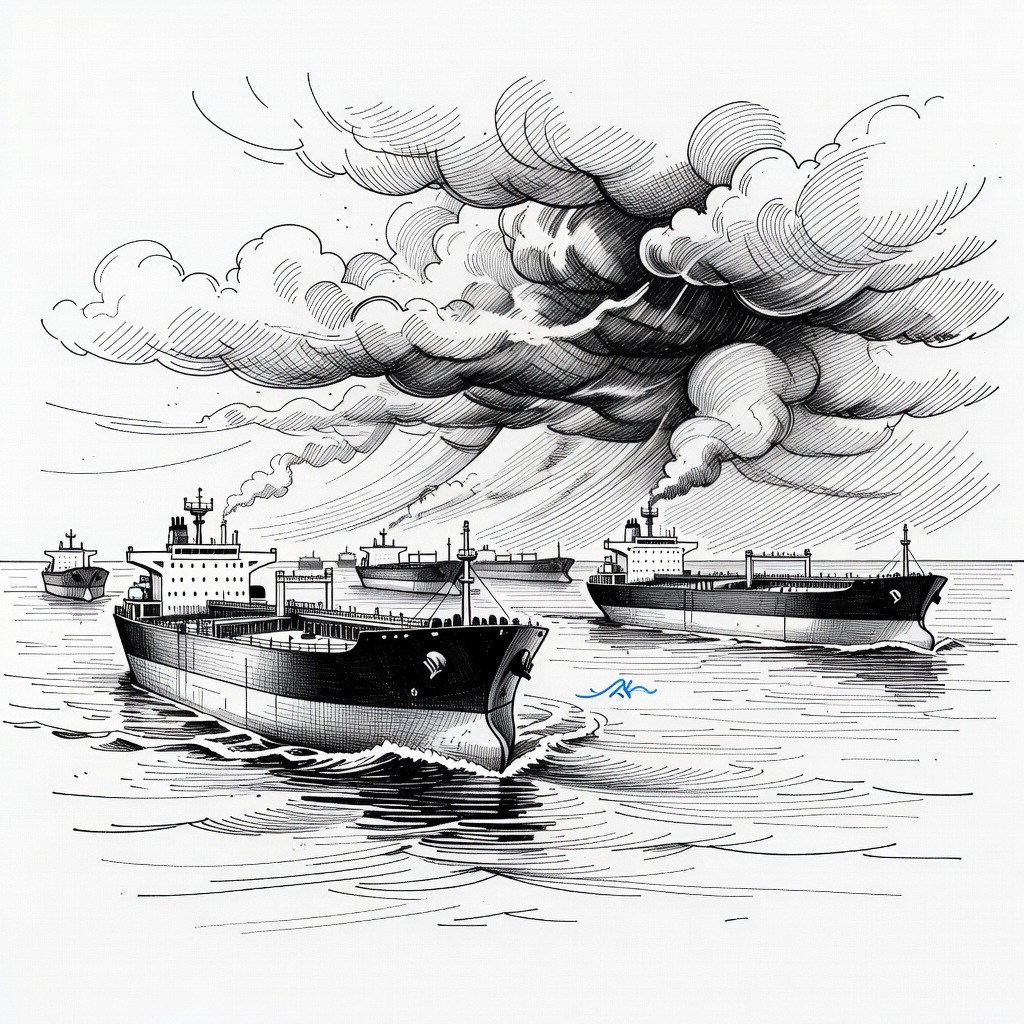
• Exposing Fossil Fuel Fragility The blockade of the Strait of Hormuz serves as a stark indictment of the global economy’s continued over-reliance on centralized, volatile energy sources. When a single geopolitical choke point controls 20 percent of global oil consumption, the entire economic system is rendered brittle and susceptible to extortion. This disruption validates the argument that true economic security lies in decentralizing energy production rather than relying on vulnerable supply lines that can be severed by regional conflict.
• The Regressive Inflationary Tax The immediate surge in Brent crude to over $83 per barrel and the 70 percent spike in European natural gas prices represent a direct financial assault on the working class. Volatility in global energy markets inevitably trickles down as a regressive tax on consumers, driving up costs for heating and transportation while disproportionately harming lower-income households. The halt of LNG production in Qatar further exacerbates this inequity, threatening to plunge vulnerable populations into energy poverty under the guise of geopolitical maneuvering.
• Consequences of Military Escalation The reported U.S.-Israeli operation to kill Supreme Leader Ayatollah Ali Khamenei has triggered a "leadership vacuum" that is destabilizing markets rather than securing them. Far from resolving the conflict, the use of lethal force has catalyzed a cycle of retaliation—evidenced by the Iranian drone attacks on Ras Laffan—that threatens the global economy. This perspective views the 678-point drop in the Dow as the predictable economic fallout of prioritizing aggressive interventionism over diplomatic de-escalation and stability.
How it may affect me
As a U.S. reader: You should expect immediate increases in transportation and heating costs as U.S. crude oil prices have risen to approximately $76 per barrel, with strategists warning that prices could exceed $100 if the blockade continues. Your retirement savings or stock investments may see a short-term decline in value after the Dow Jones Industrial Average fell 678 points due to investor uncertainty surrounding the conflict's duration. Lower-income households may face disproportionate financial strain as volatility in global energy markets drives up the cost of living, acting as a regressive inflationary tax on essential services. Long-term economic stability remains uncertain, as economists predict that the planned production increase from OPEC+ members will be insufficient to offset the halt of tanker traffic through the Strait of Hormuz.