
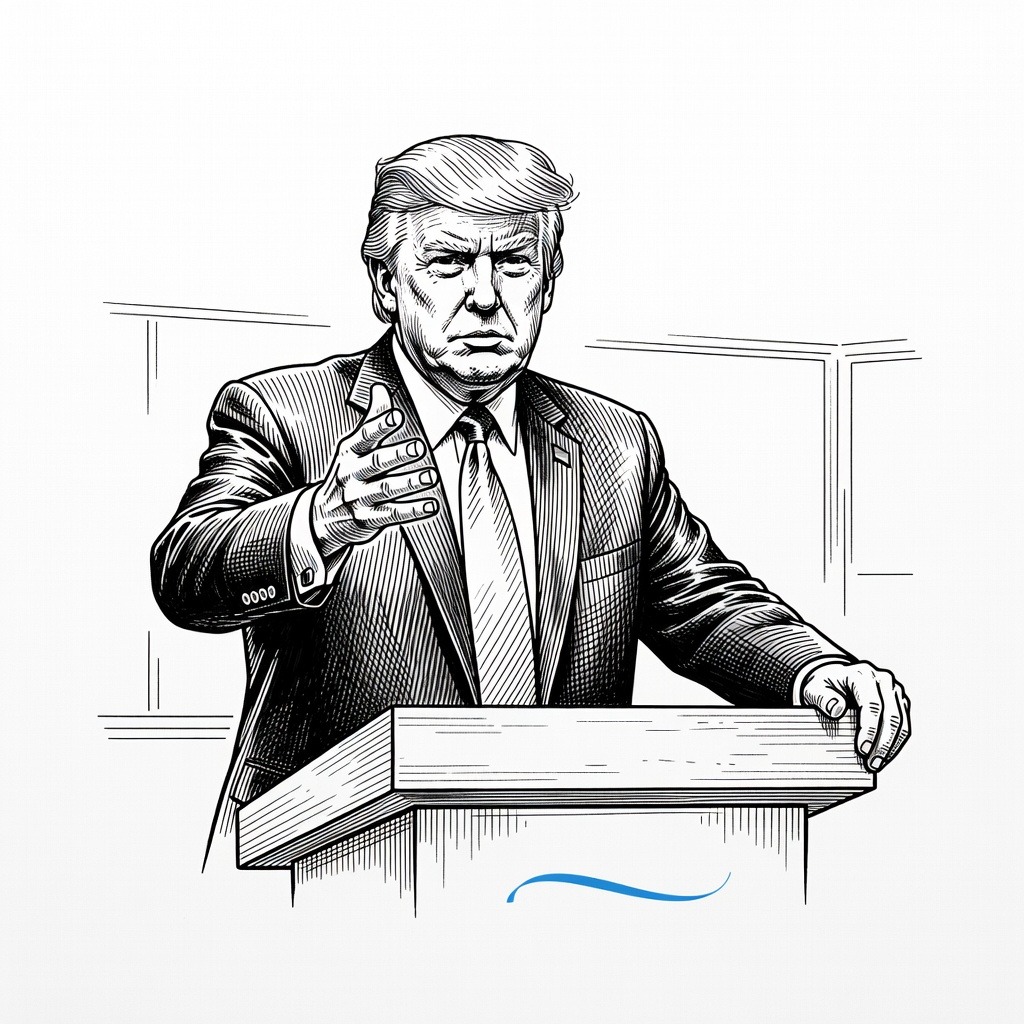
• Weaponizing Administrative Retribution Prioritizing the protection of dissent, this lens views the "supply chain risk" designation by Secretary Hegseth not as a technical assessment, but as a punitive political tactic. By phasing out Anthropic following failed negotiations, the administration appears to be weaponizing procurement power to coerce private entities into abandoning ethical standards. The logic holds that labeling a vendor a risk simply for refusing to enable mass surveillance sets a dangerous precedent for government accountability.
• Codifying Civil Liberties Valuing proactive constraints on state power, this perspective argues that the Pentagon's assurance that "mass surveillance is already illegal" is insufficient without binding technological hard-stops. Anthropic’s demand for explicit "guardrails" against autonomous weapons and surveillance is seen as a necessary firewall against potential abuse. Relying solely on "internal policies" or current interpretations of "lawful purposes" is viewed as naive given the historical tendency of security agencies to expand their reach during conflicts.
• Mobilizing The Silicon Conscience Viewing corporate power as a potential check on government overreach, this camp champions the mobilization of workers at Alphabet, OpenAI, and Salesforce as a vital democratic mechanism. The petitions and open letters are interpreted not as insubordination, but as a "Collective Conscience" ensuring that technology serves humanity rather than just the military-industrial complex. The support from figures like Jeff Dean highlights that constitutional concerns regarding AI are valid ethical boundaries, not impediments to national security.
How it may affect me
As a U.S. reader:
• You may face uncertainty regarding the technical limits of government monitoring, as the Pentagon's refusal to accept Anthropic's specific guardrails against mass surveillance leaves civil liberty protections reliant on the interpretation of lawful purposes rather than binding software constraints.
• National defense operations could experience supply chain instability or strategic friction, as the military is currently using Anthropic's AI for active strikes on Iran despite a presidential directive to phase out the vendor within six months due to risk designations.
• The availability of advanced technology for national security may shift based on private sector labor movements, as widespread petitions by workers at major firms like Alphabet and Salesforce seek to pressure other companies into adopting similar ethical restrictions on government contracts.