
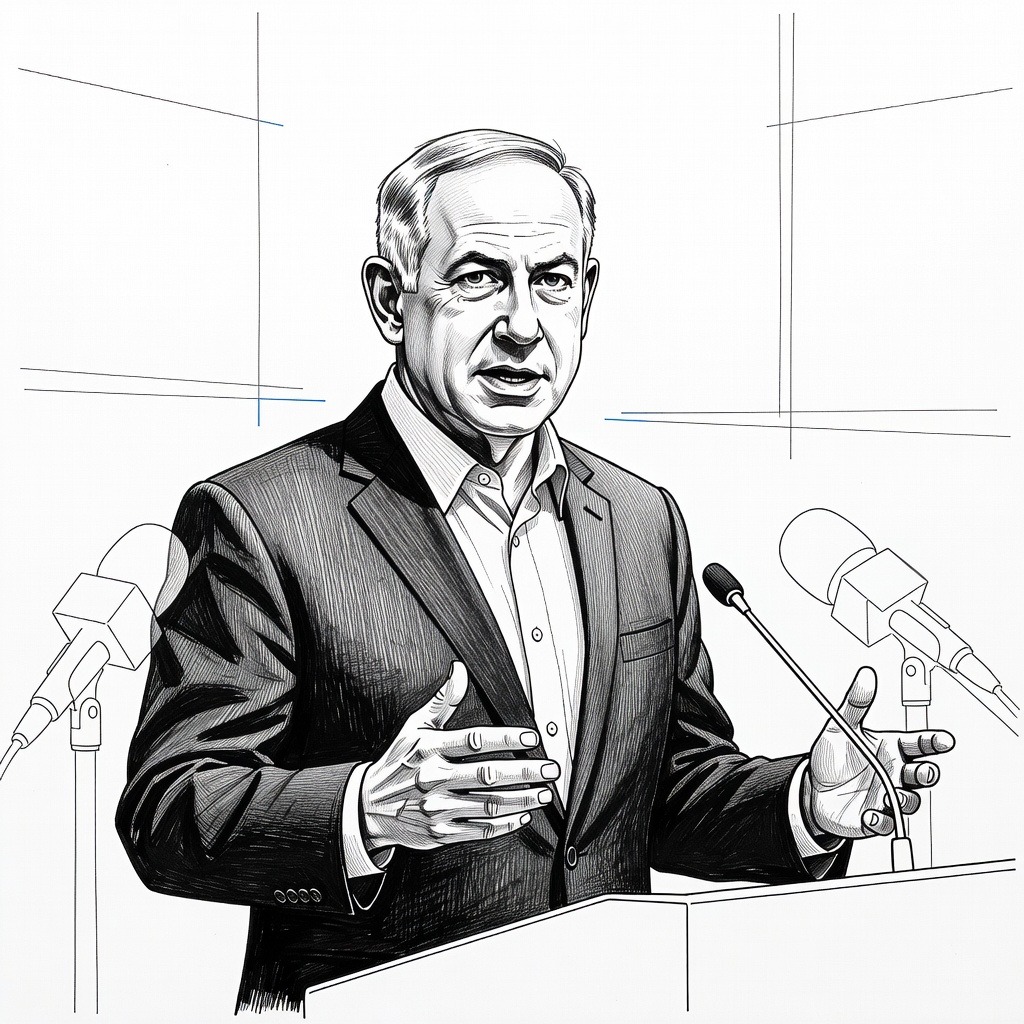
• Destabilizing Political Decapitation By targeting the Assembly of Experts during a succession vote, the operation prioritizes immediate chaos over long-term diplomatic viability. Striking a political body in the midst of transition does not merely degrade military capacity; it risks shattering the state apparatus entirely, creating an ungovernable power vacuum that historically leads to radicalization rather than stability.
• Diplomatic Blowback Indicators While officials tout the operation as running "ahead of schedule," the simultaneous closure of U.S. embassies and evacuation orders suggests the humanitarian and diplomatic costs are spiraling. The rapid escalation forces a defensive posture across 14 nations, undermining regional security and indicating that the kinetic success comes at the expense of civilian safety and diplomatic presence.
• The Quagmire of "Limited Objectives" Skepticism surrounds the administration's claim that this is a "limited objective" campaign to prevent nuclear acquisition. By dismantling the entire command structure and killing senior leaders, the coalition removes the very actors capable of negotiating a surrender or ceasefire, creating a scenario where a multi-year conflict becomes inevitable simply to manage the resulting anarchy.
How it may affect me
As a U.S. reader:
• You face immediate travel warnings and potential evacuation needs if visiting the Middle East, as the State Department has closed embassies in Kuwait and Saudi Arabia and urged Americans to leave 14 countries.
• You are presented with conflicting timelines for U.S. military involvement, with the administration promising a limited, rapid campaign to prevent nuclear armament while critics warn that dismantling Iran's leadership could trap the U.S. in a multi-year conflict to manage the resulting anarchy.
• The operation aims to eliminate the long-term threat of Iranian nuclear and ballistic missiles against U.S. interests, though the destruction of the command structure creates a power vacuum that could lead to either effective deterrence or dangerous regional instability.
• You may observe a shift in international military dynamics, as Gulf nations have signaled a readiness to join the conflict, potentially sharing the security burden that typically falls on U.S. forces.