
Voters in Texas, North Carolina, and Arkansas Cast Ballots in First 2026 Midterm Primaries

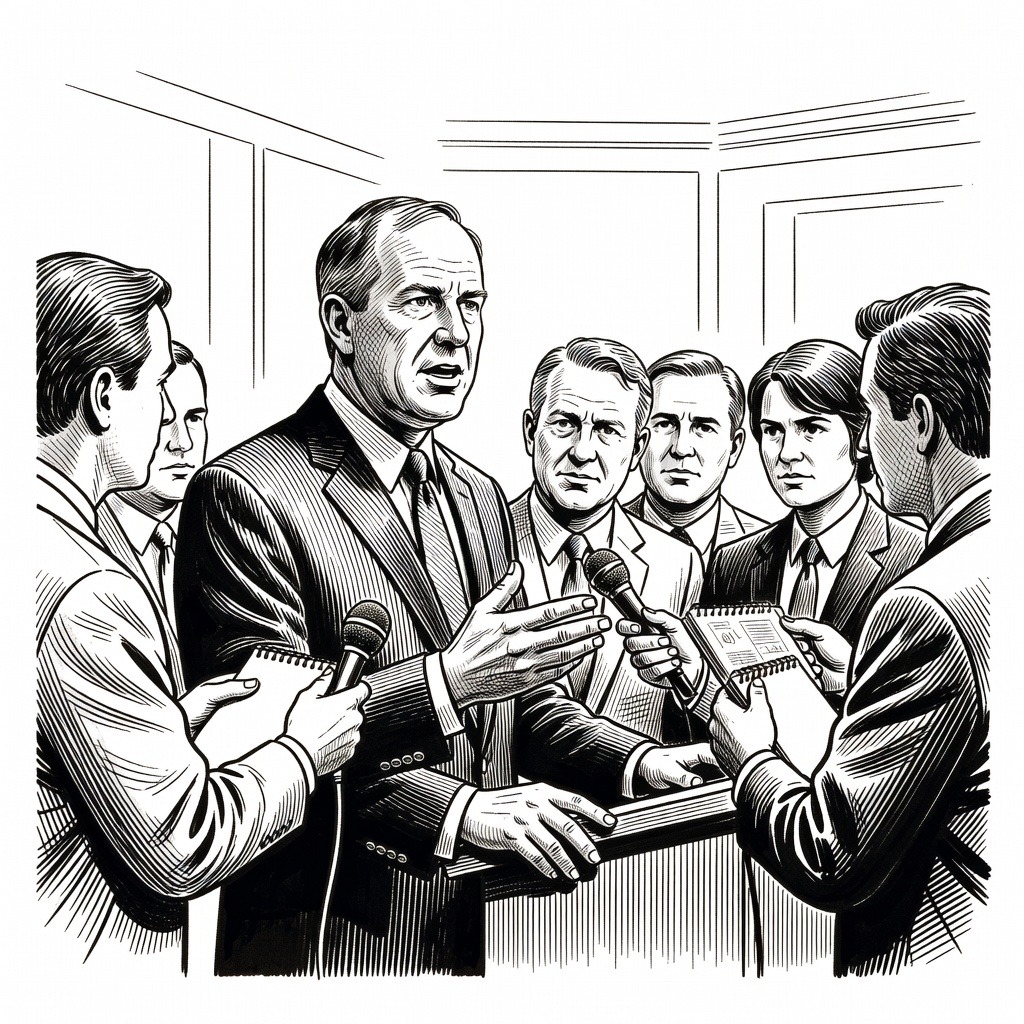
Illustration for: Voters in Texas, North Carolina, and Arkansas Cast Ballots in First 2026 Midterm Primaries
AI-generated illustration. Visual interpretation does not represent real individuals or scenes.

THE BARE STORY

The 2026 midterm primary season begins Tuesday, March 3, with elections in Texas, North Carolina, and Arkansas. These contests, occurring during the latter half of President Donald Trump’s second term, could help determine the balance of power in Congress. Attention is heavily focused on the Texas Republican Senate primary, where incumbent Senator John Cornyn faces challenges from Attorney General Ken Paxton and Representative Wesley Hunt. If no candidate secures more than 50% of the vote, the race will proceed to a runoff in late May.

The Texas Republican contest has become a three-way race, with polls and prediction markets suggesting Paxton holds an edge over Cornyn. The incumbent senator and allied groups have spent significant funds arguing that Paxton’s past legal issues could jeopardize the party’s hold on the seat in the general election. Paxton has dismissed these warnings, citing his undefeated record in statewide races, while Hunt contends he is the only candidate capable of winning in November. President Trump has remained neutral in the primary.

On the Democratic side in Texas, Representative Jasmine Crockett faces State Representative James Talarico. The primary has seen significant friction; Crockett accused a group supporting Talarico of racism regarding an advertisement's visual editing, while Talarico faced backlash over alleged private comments disparaging a former representative. Prediction markets currently favor Talarico to win the nomination.

In North Carolina, voters are selecting candidates to succeed retiring Senator Thom Tillis. Former Republican National Committee Chair Michael Whatley and former Democratic Governor Roy Cooper are viewed as the frontrunners for their respective parties. In Arkansas, Senator Tom Cotton faces two primary challengers, while Governor Sarah Huckabee Sanders is running unopposed for re-election.

Same Facts. Different Perspectives.

Two AI models. Two viewpoints. One factual foundation.

• The Stability Calculus The Traditionalist views Senator Cornyn’s warnings about "general election" risks as a necessary prioritization of long-term institutional continuity over short-term populist fervor. By arguing that legal baggage jeopardizes the "party’s hold on the seat," this camp emphasizes that preserving the legislative majority is the ultimate duty of the voter. They reason that risking a safe seat on a compromised candidate threatens the established social order and legislative efficiency.

• Meritocratic Sorting Mechanisms This perspective interprets the fierce competition—from the "three-way race" in Texas to the open seat battles in North Carolina—as a healthy function of the democratic marketplace. Rather than fearing the chaos of a runoff or internal challenges, the Traditionalist values the primary as a rigorous vetting process that ensures only the strongest leaders, like the "unopposed" Governor Sanders or the eventual victor of the Paxton/Cornyn clash, advance to protect national sovereignty.

• Legacy and Succession With the timeline set late in the President's second term, the Traditionalist views these contests as the bridge to the party's future and the preservation of its policy achievements. The focus on successors for retiring figures like Senator Tillis represents a desire to maintain "institutional continuity" against political volatility. The goal is to install guardians who will uphold the rule of law and maintain the systemic integrity established during the current administration.

How it may affect me

As a U.S. reader:

• The results of these primaries initiate the process of determining the partisan balance of Congress, which will directly influence the passage of legislation and the level of oversight applied to the executive branch during the final years of the current presidency.

• Voters in Texas may face a prolonged political season with continued campaign spending if the Republican Senate race fails to produce a majority winner, necessitating a runoff election in late May.

• The selection of nominees will signal whether the major parties prioritize electoral viability and institutional stability or prefer candidates who challenge established ethical norms and structural barriers.

• Residents in North Carolina and Arkansas will determine the succession plans for their states by selecting candidates to fill open seats or challenge incumbents, shaping the long-term leadership roster beyond the current administration.

Read the story at

Note: All TheBareNews content is AI-generated. For additional context, reporting, and updates, you are invited to explore the news outlets linked above.