
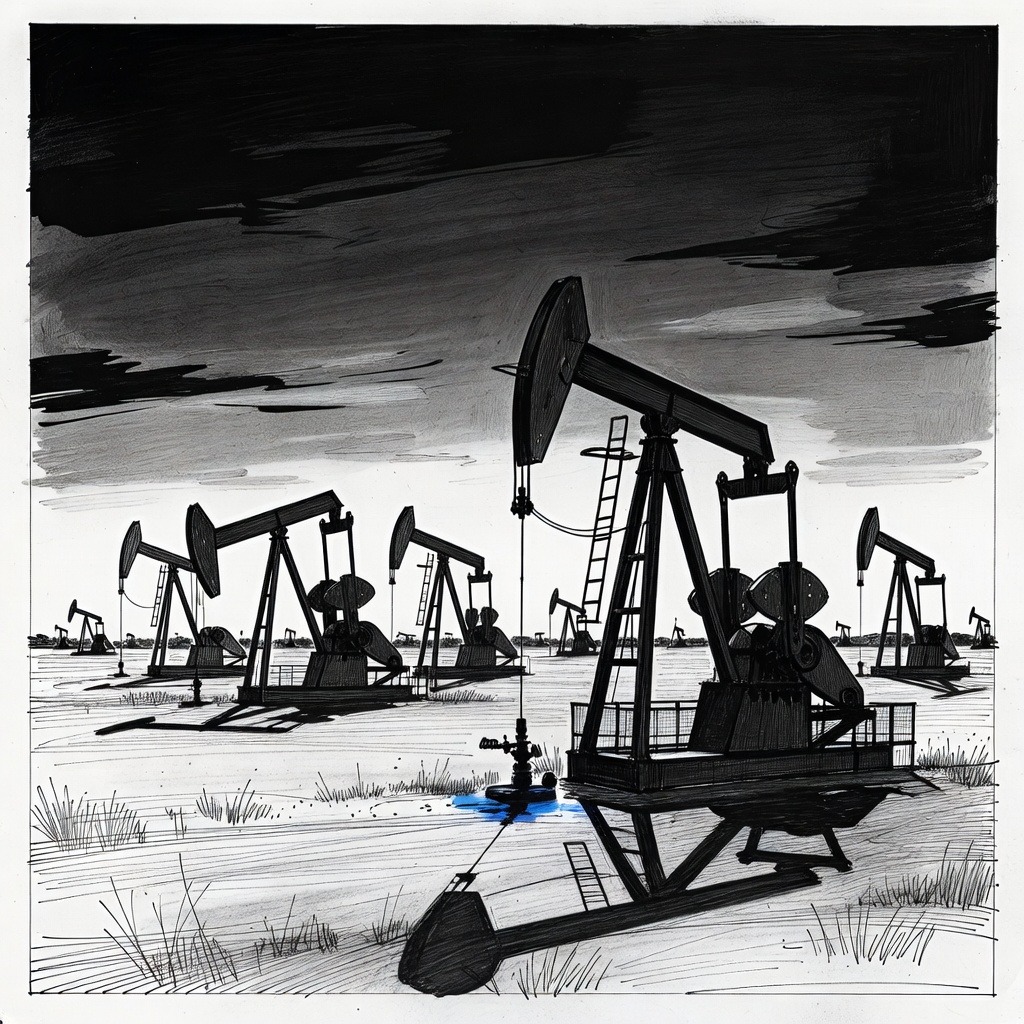
• The Regressive Inflation Tax Economic stability for the working class is threatened when geopolitical posturing disrupts essential supply chains. The surge in Brent crude to nearly $79 per barrel acts as a direct, regressive tax on consumers, disproportionately affecting those with lower incomes who rely on fuel for commuting and heating. The warning that the Federal Reserve may delay interest rate cuts suggests that the cost of this conflict will be paid through prolonged high borrowing costs for average households.
• The Crisis Profiteering Loop There is a troubling disparity in how market volatility distributes wealth during times of conflict. While the broader economy suffers—evidenced by the 0.8% drop in the S&P 500 and mass cancellations in the travel sector—defense and energy stocks are outperforming the market. This dynamic illustrates a perverse economic structure where specific corporate sectors reap windfall profits from instability while the general public and non-military industries bear the brunt of the downturn.
• Systemic Energy Fragility The immediate panic over the Strait of Hormuz slowdown exposes the inherent weakness of a global economy tethered to fossil fuel logistics. Relying on shipping lanes that can be easily choked off, or pivoting to Venezuelan oil as a stopgap measure to suppress domestic costs, reveals a lack of genuine energy independence. True economic security requires decoupling from volatile global oil transit points rather than simply shifting dependence from one fragile source to another.
How it may affect me
As a U.S. reader:
• Drivers and homeowners may face increased costs for gasoline and heating due to the sharp rally in global oil prices, though the Department of Energy aims to suppress domestic fuel costs by utilizing Venezuelan oil imports.
• Individuals waiting for relief on mortgage and loan rates could experience delays, as economists warn that a sustained rise in crude prices may force the Federal Reserve to postpone planned interest rate cuts to prevent reignited inflation.
• Investors with broad market portfolios or holdings in the travel sector may see declines in value, whereas those invested in defense stocks, energy companies, or gold are likely to see gains amid the market rotation.
• Travelers planning international trips, particularly to the Middle East, face potential disruptions and cancellations as airlines ground flights and suspend routes in response to regional security risks.