
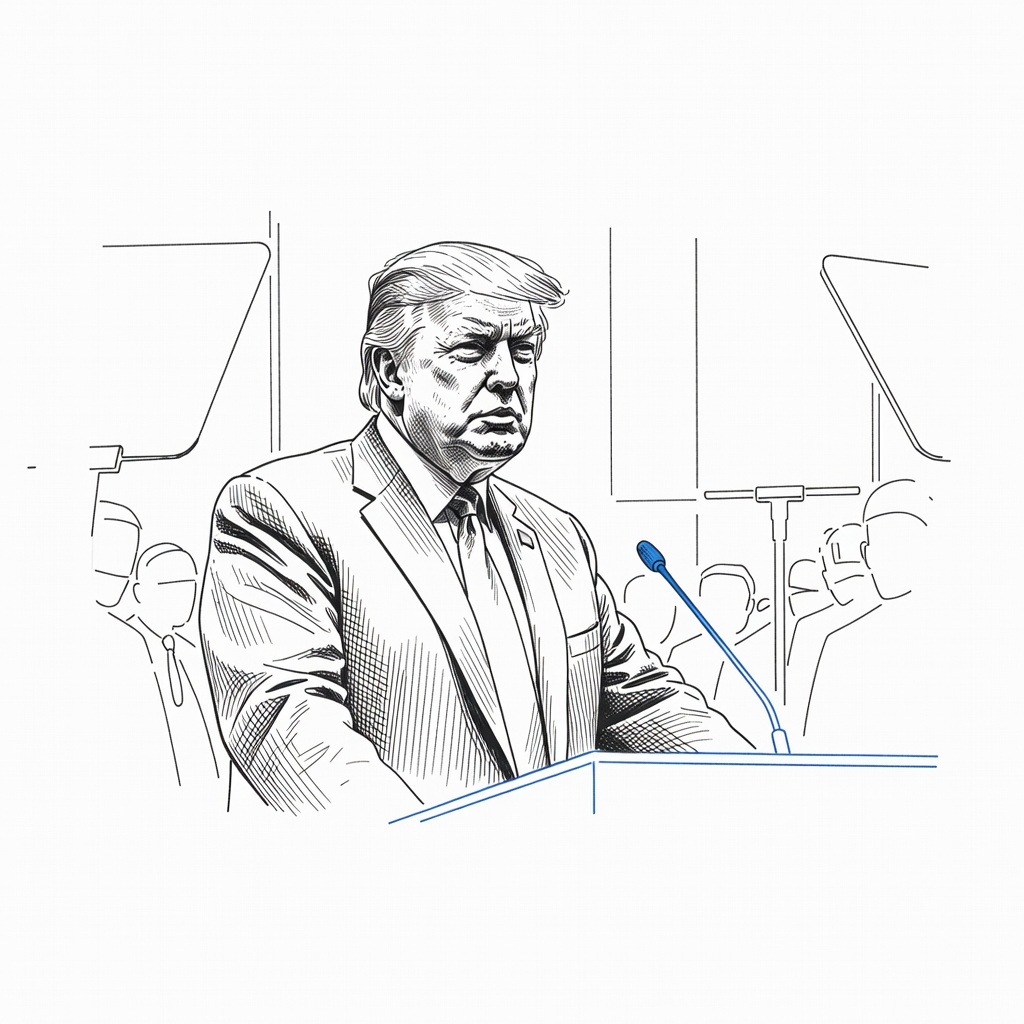
• Catastrophic Escalation Ladder By targeting a head of state, the strike on Ayatollah Khamenei represents a dismantling of diplomatic guardrails rather than a strategic victory. This perspective views "Operation Epic Fury" not as justice, but as an incendiary gamble that removes political off-ramps and plunges the region into unpredictable chaos. The priority here is the preservation of international norms, which are seen as the only true barrier against total war.
• The Blowback Ecosystem The immediate retaliation from Tehran and the threats to the Strait of Hormuz are interpreted as the inevitable, tragic consequence of choosing force over containment. Maersk’s suspension of transit confirms that military aggression disrupts the intricate web of global commerce, endangering civilian supply chains. The logic follows that kinetic action invariably creates security vacuums that endanger more lives than they save.
• Regressive Economic Burden The projected 10 to 50-cent jump in gasoline prices is viewed as a direct tax on the working class resulting from hawkish foreign policy. While markets may show resilience, the "humanitarian" lens focuses on how volatility hurts the most vulnerable consumers first. This camp argues that the economic shock—driven by a choice to engage in conflict—outweighs the abstract benefits of avenging fallen service members.
How it may affect me
As a U.S. reader:
• You should expect gasoline prices to rise between 10 and 50 cents per gallon in the short term as global oil markets react to the conflict and regional instability.
• Consumers may encounter broader supply chain delays or disruptions regarding imported goods, following decisions by major shippers like Maersk to suspend transit through the Strait of Hormuz.
• Individuals with investment portfolios or retirement accounts might see immediate stock market volatility, though some forecasts suggest the long-term impact on equities could be limited.
• Future relief for high energy costs may arrive in April, when OPEC+ nations plan to increase daily oil production to help stabilize global supplies.