
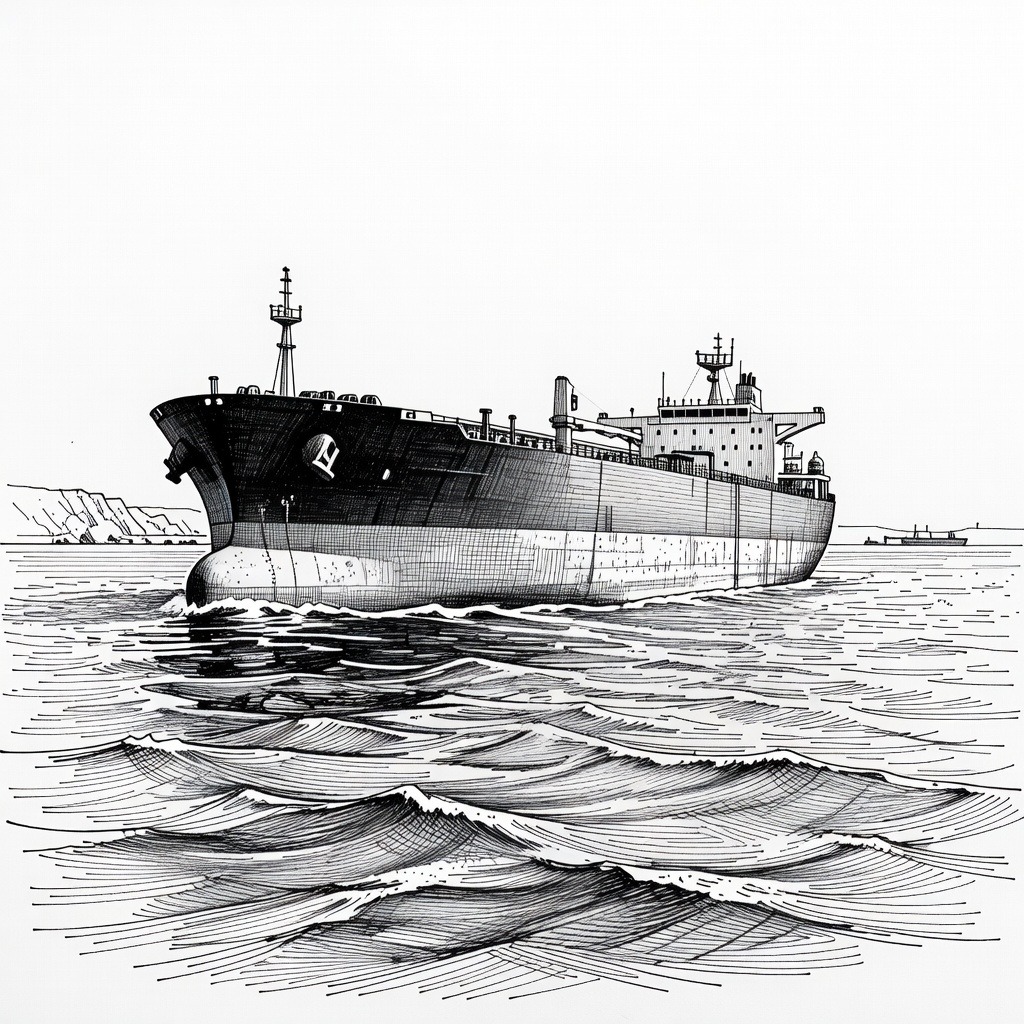
• Destabilizing Kinetic Triggers Prioritizing de-escalation and global stability, this camp views the U.S. military strikes not as a solution, but as a catalyst for dangerous volatility. They argue that kinetic action against Iran predictably invites retaliation, evidenced immediately by the Revolutionary Guards’ radio messages prohibiting passage through the Strait of Hormuz. The logic here is that aggressive posturing fractures diplomatic avenues, replacing dialogue with direct threats to international peace.
• Compounding Economic Fragility With the Strait handling 31% of all seaborne oil flows, this perspective frames the military engagement as a reckless gamble with the global economy. They emphasize that a "modest" OPEC production increase cannot offset a potential closure of a choke point moving 13 million barrels daily. The primary concern is that geopolitical brinkmanship will drive Brent crude prices far beyond $72.50, triggering inflationary spikes that disproportionately punish vulnerable populations and consumers.
• Sabotaging Monetary Recovery Looking at the broader financial context, this side warns that introducing a war-driven energy shock directly undermines domestic economic recovery. As investors await critical labor data and corporate earnings from giants like Costco to gauge the Federal Reserve’s next move, a spike in energy costs could force interest rates to remain high. The reasoning is that military adventurism creates external shocks that derail the delicate balance of job growth and inflation control.
How it may affect me
As a U.S. reader:
• You may encounter higher prices for gasoline and other goods if threats to the Strait of Hormuz disrupt the 31% of global seaborne oil flows that pass through the waterway.
• A sudden spike in energy costs could increase inflation, potentially leading the Federal Reserve to keep interest rates high and impacting borrowing costs for mortgages and loans.
• Your investment portfolios or retirement funds may experience volatility as financial markets react to the combination of geopolitical tension and upcoming earnings reports from major U.S. companies.
• Long-term economic stability and the price of consumer goods could depend on whether current military actions successfully secure maritime trade routes or trigger further conflict.