
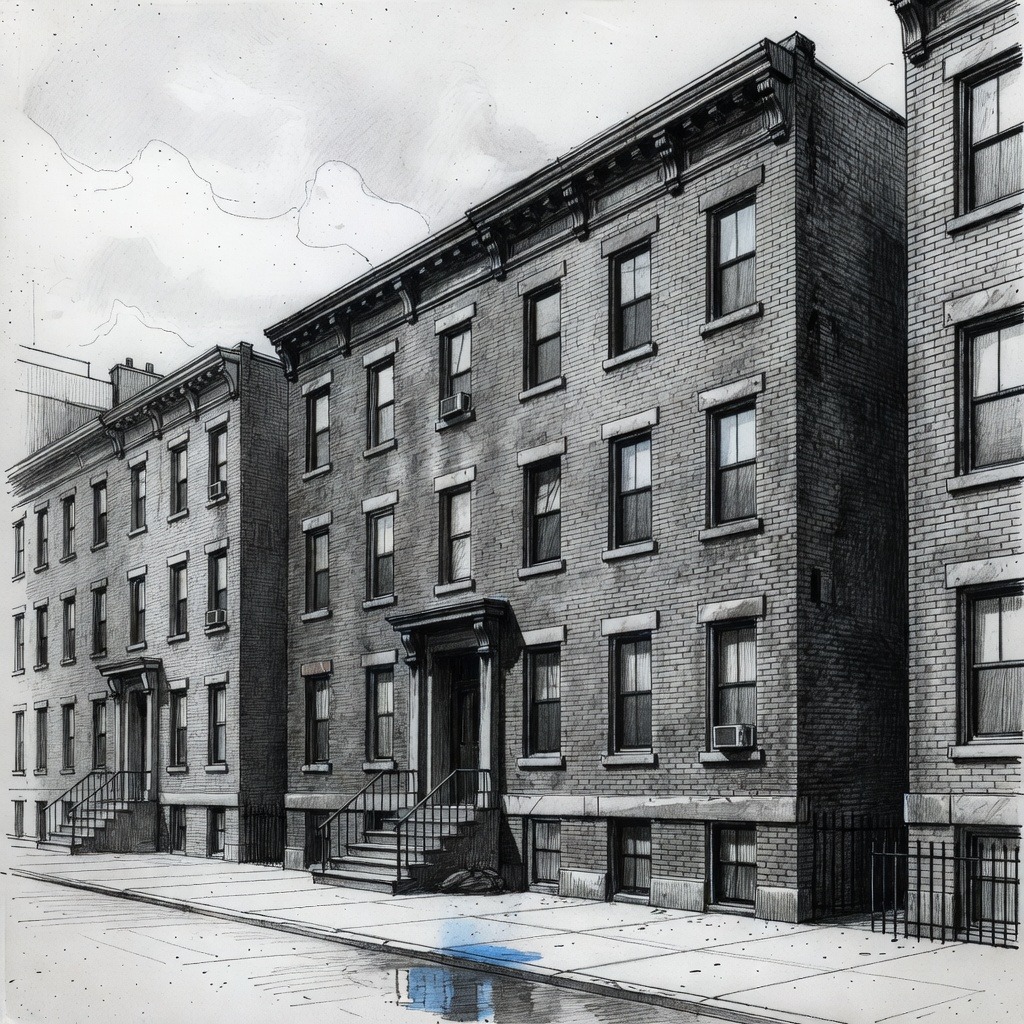
• Dismantling Power Asymmetries The administration's prioritization of a "Rental Ripoff Hearing" represents a necessary pivot toward protecting tenants from systemic exploitation by private capital. By appointing a "principled" advocate like Weaver, the Mayor signals a commitment to challenging the status quo where property rights often supersede human needs. This approach views aggressive regulation as the only viable shield against predatory market practices.
• Contextualizing Historical Exclusion Weaver’s controversial critique of homeownership is interpreted as a sociological acknowledgement of how property systems were historically engineered to enforce racial barriers. Rather than attacking individual owners, this logic emphasizes that the "American Dream" has been structurally inaccessible to many. Recognizing these deep-seated inequities is seen as a prerequisite for creating housing policies that actually serve the marginalized rather than protecting legacy wealth.
• Demanding Universal Standards The disruption by NYCHA advocates serves as a vital check on the administration to ensure public institutions are held to the same rigor as private landlords. While the primary focus remains on private sector accountability, the inclusion of public housing residents’ testimony regarding mold and pests reinforces the belief that safe housing is a universal right. The administration's pivot to hear these grievances demonstrates a responsiveness to the vulnerable, regardless of who their landlord is.
How it may affect me
As a U.S. reader: Tenants and landlords may witness increased legal friction between local and federal authorities as the Department of Justice monitors municipal housing policies for potential conflicts with constitutional property rights. Residents in public housing systems could see a shift in management accountability as advocates demand that government-run facilities address health hazards like mold and pests with the same rigor required of private owners. Current and aspiring property owners may face a polarized policy environment where homeownership is debated either as a crucial vehicle for financial stability or as a system rooted in historical exclusion.