
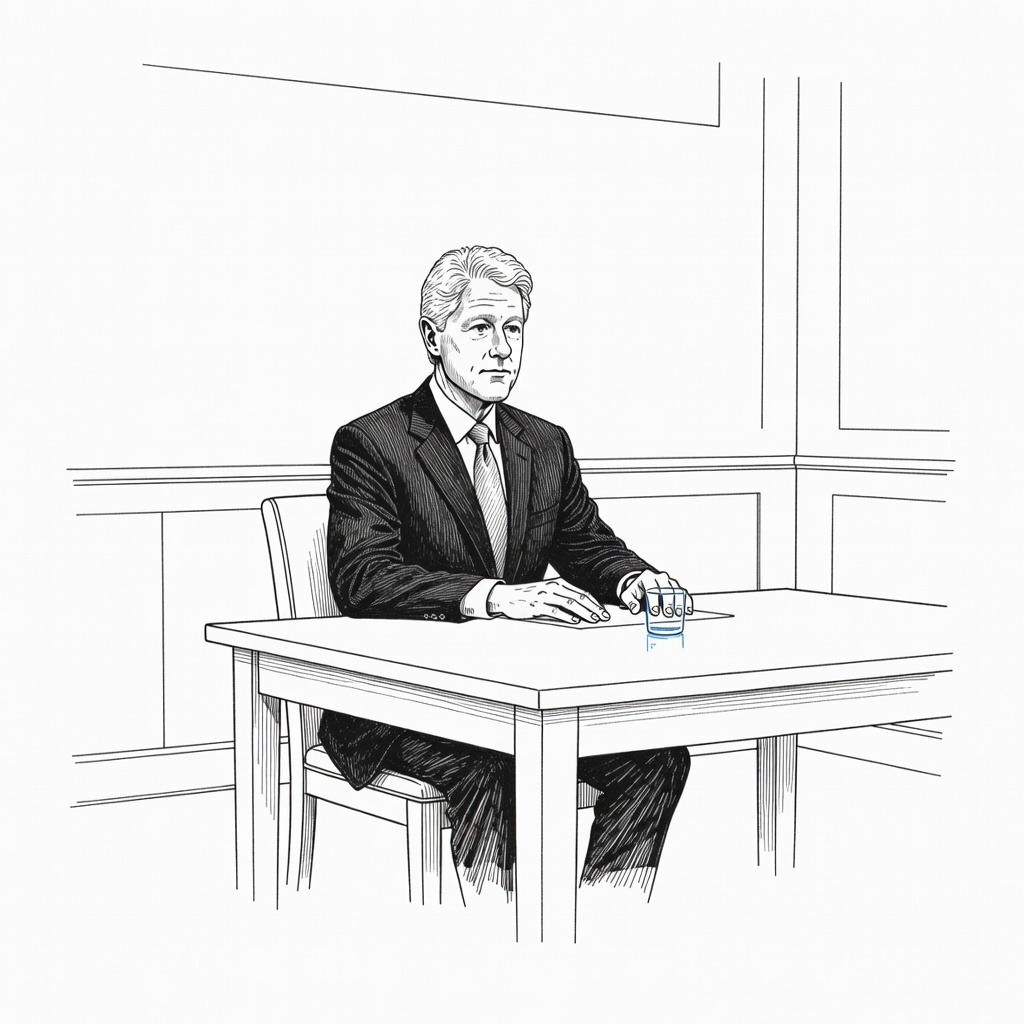
• Weaponization of Oversight The Reformer views the committee’s aggressive subpoenaing of former leaders—specifically the "unjustified" inclusion of Hillary Clinton—as a misuse of congressional power for political theater rather than genuine fact-finding. By focusing on high-profile figures who have not been accused of specific crimes, this perspective argues the investigation prioritizes performative optics over the substantive dismantling of trafficking networks. The logic holds that legislative resources are being diverted from protecting vulnerable populations to score partisan points against past administrations.
• Distinction of Intent This framework emphasizes Clinton’s prepared remarks regarding his lack of knowledge and the timeline of events, specifically that he "severed ties" before Epstein’s legal escalation. The Reformer argues that retrospective judgment of professional associations violates the principles of fairness; mere proximity in flight logs or records does not equate to complicity in abuse. They maintain that without evidence of witnessed illicit activity, the investigation risks criminalizing association rather than actual wrongdoing.
• Presumption of Innocence Anchoring on the fact that "neither Bill nor Hillary Clinton has been accused of any crimes," this lens prioritizes the protection of civil liberties against guilt-by-association tactics. The Reformer warns that treating flight logs and DOJ documents as proofs of guilt undermines the legal standard of evidence. They view the closed-door nature of the deposition as a potential trap to generate soundbites, rather than a legitimate legal proceeding designed to uncover truth.
How it may affect me
As a U.S. reader:
• You will likely gain access to videos and transcripts of the deposition shortly after the proceedings, providing specific details on the nature of the relationship between the former president and Jeffrey Epstein.
• The outcome of this investigation may influence your confidence in how congressional committees utilize legislative resources, specifically regarding whether oversight powers are being focused on substantive fact-finding or political theater.
• Disclosures regarding the Clinton Foundation and Clinton Global Initiative could lead to increased public scrutiny of large charitable organizations and the vetting processes applied to their founders and associates.
• These proceedings may establish new precedents for how historical travel logs and professional associations are treated in government inquiries involving individuals who have not been accused of specific crimes.