
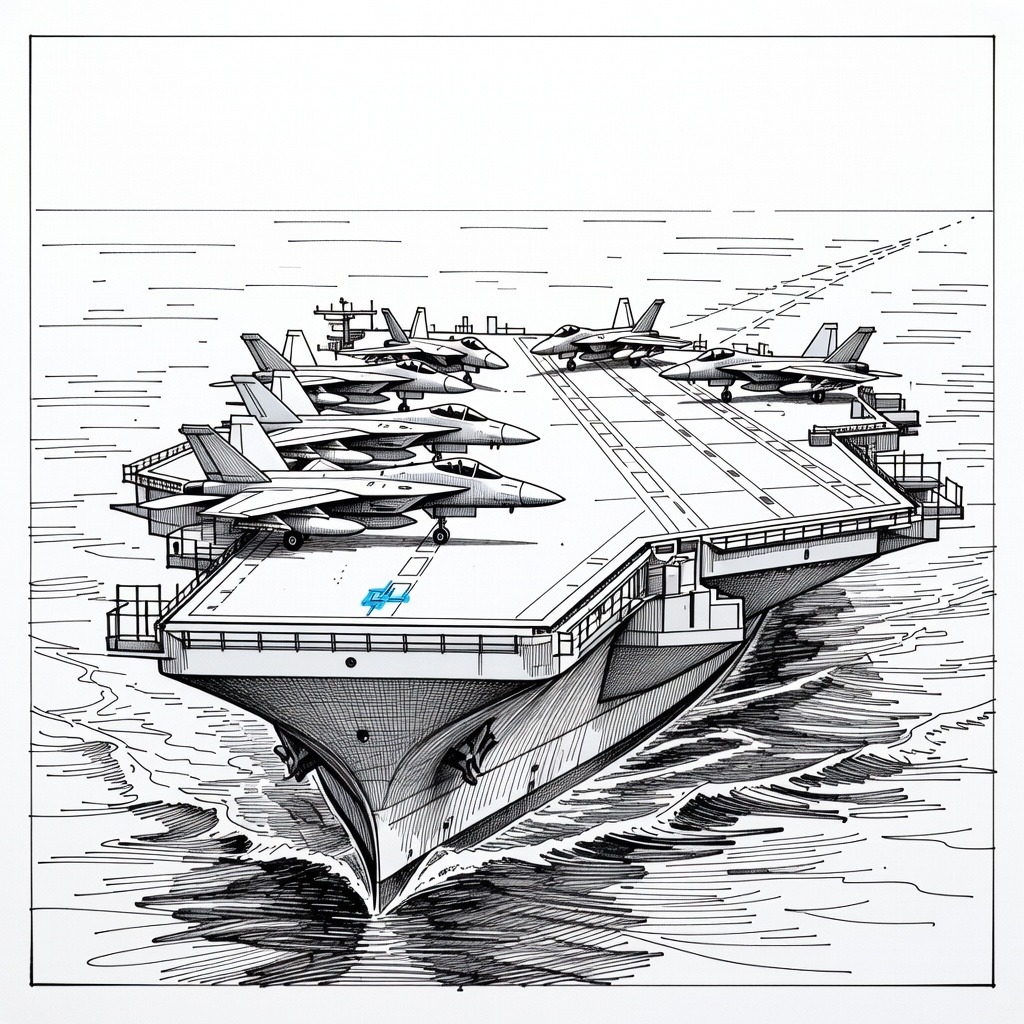
• Provocation Over Diplomacy Prioritizing de-escalation, this camp views the deployment of F-35s, refueling tankers, and two aircraft carriers as a dangerous signal that undermines the administration's stated preference for a "diplomatic resolution." By surging offensive military assets while negotiations are fragile, the U.S. risks backing Tehran into a defensive corner where conflict becomes inevitable. The fear is that "peace through strength" is actually functioning as a catalyst for war, overshadowing the mediation efforts by Omani officials and U.S. envoys in Geneva.
• Absolutist Negotiation Failure This lens critiques the demand for "zero enrichment" and the dismantling of infrastructure as a maximalist position that ignores the nuances of international statecraft. By rejecting the Iranian assertion of "sovereign right" to enrichment without offering a middle ground, the current strategy is seen as designing the talks to fail. The logic here holds that successful diplomacy requires compromise, not ultimatums that force a sovereign nation to choose between total capitulation and conflict.
• Premature Conflict Signaling The authorization of voluntary departures from the Jerusalem Embassy and the reduction of Bahrain staff to "mission critical" levels are interpreted as ominous preparations for hostilities rather than prudent safety measures. This perspective argues that clearing non-combatants mirrors the "pre-strike" protocols of last June, suggesting the administration has already abandoned the peace process. The concern is that these moves signal an acceptance of war, disregarding the immense humanitarian cost that would follow U.S. intervention.
How it may affect me
As a U.S. reader:
US citizens in Jerusalem and Bahrain may face limited diplomatic services or evacuation guidance following the authorization of voluntary departures and the reduction of staff to mission-critical levels.
Military personnel and their families should anticipate increased operational readiness or deployments as the United States surges assets like F-35s and aircraft carriers to the region.
The likelihood of US military engagement has increased, with officials characterizing recent personnel reductions as preparations for potential strikes similar to operations conducted last June.
The success or failure of immediate high-level negotiations by Secretary of State Rubio and Vice President Vance will determine whether the current standoff de-escalates or transitions into active conflict.