
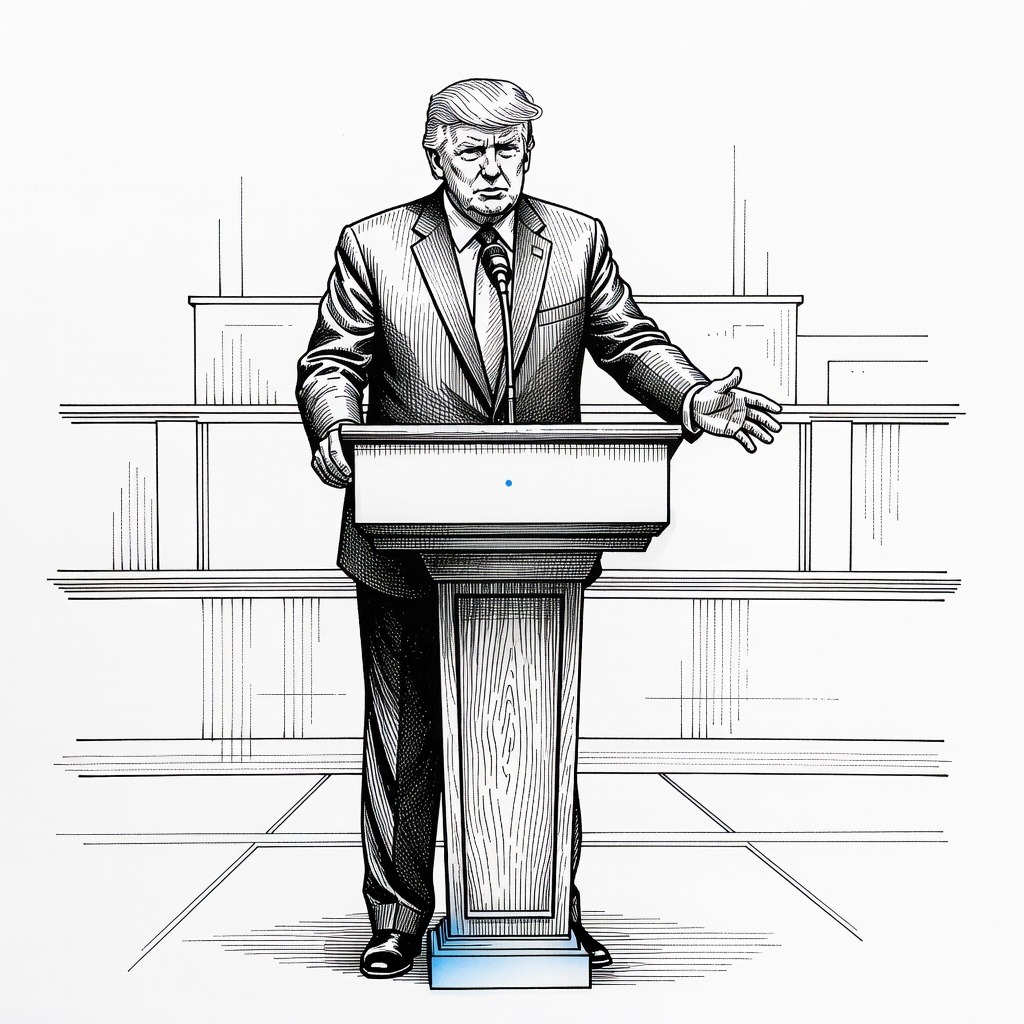
• Democratic Mandate Collapse This perspective interprets the president’s approval ratings in the "low 40s" and the high disapproval among independents as a clear signal that the administration governs without valid public consent. By prioritizing a narrow base while ignoring the broader electorate's rejection, the executive branch is seen as hollowing out democratic legitimacy. The specific "polling slump" serves as evidence that the current agenda fails to address the needs of the general population, relying instead on entrenched power rather than popular will.
• Systemic Accountability Check The defections within the House GOP regarding "war powers" and the "release of files related to Jeffrey Epstein" are viewed not as party disloyalty, but as a vital reassertion of institutional checks and balances. The Reformer argues that when lawmakers like Rep. Jeff Hurd break ranks to oppose executive overreach on tariffs or demand transparency, they are fulfilling their constitutional duty to curb centralized power. These fractures highlight a necessary resistance against an administration attempting to shield itself from scrutiny.
• Economic Reality Disconnect The contrast between the president's claim that "inflation is no longer a major issue" and the strategists' acknowledgement of voter anxiety reveals a dangerous gap between executive rhetoric and lived experience. From this viewpoint, the administration’s attempt to pivot the narrative toward "efforts to ease affordability" is a reactionary measure to cover for systemic failure. The Reformer posits that ignoring the economic distress of the vulnerable creates social instability, making the upcoming State of the Union a performance of denial rather than a plan for equity.
How it may affect me
As a U.S. reader:
• You can expect the upcoming State of the Union address to focus on new initiatives to ease affordability, as the administration attempts to align its economic messaging with voter concerns despite the president's statements that inflation is no longer a major issue.
• Legislative progress on specific issues such as tariffs and war powers may become unpredictable or stalled, as the House operates with a slim one-vote majority facing internal dissent and potential retaliation against lawmakers who break party ranks.
• You will likely see political campaigns leading up to the November midterms focus heavily on mobilizing core supporters rather than courting independent voters, as party leadership emphasizes base turnout over broad approval ratings.
• Continued political conflict over government transparency is probable, particularly regarding the release of files related to Jeffrey Epstein, which has already caused significant friction and personnel changes within Congress.