
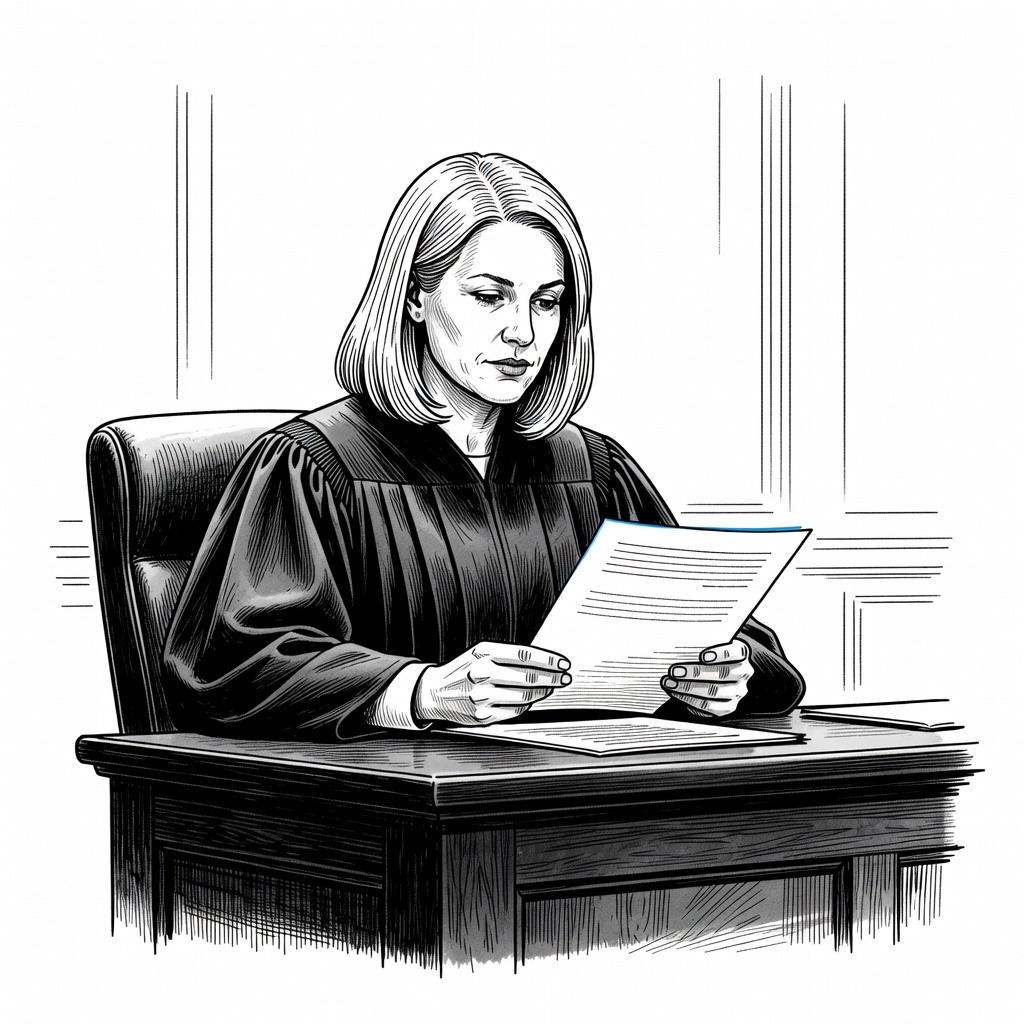
• Suppression of Public Accountability Transparency is the bedrock of a functioning democracy, specifically regarding the conduct of the highest office. By permanently blocking the report, the judiciary effectively erases the historical record concerning the management of classified documents and alleged obstruction. This decision prioritizes the privacy of public figures over the citizenry’s right to scrutinize the actions of their leaders.
• Judicial Shielding of Power The ruling is viewed as a calculated maneuver to insulate the executive branch from necessary oversight. By characterizing the Special Counsel’s work as a "brazen stratagem" and leaning on the technicality of his appointment, the court sidesteps the substantive gravity of the investigation. This logic suggests that procedural dismissals are being weaponized to prevent the public exposure of potentially damaging factual findings.
• Distortion of Legal Precedent Equating the release of a prosecutorial report with the violation of the presumption of innocence conflates criminal liability with public information. Since the case concluded due to a dispute over the prosecutor's authority rather than a factual exoneration, withholding the findings allows a "technical" victory to morph into a total blackout of information. This sets a dangerous precedent where legal maneuvering can successfully bury evidence of governance failures.
How it may affect me
As a U.S. reader:
• You are permanently denied access to the findings of the investigation into the handling of classified documents, limiting the public record regarding the alleged obstruction.
• This ruling establishes a precedent that investigative reports derived from an unconstitutional appointment cannot be released, serving as a strict check on the power of future special counsels.
• The decision reinforces the legal protections against reputational harm for all citizens, ensuring that the government cannot publicize accusations against defendants when charges are dismissed without a trial.
• You may see fewer disclosures from the justice system in cases involving procedural disputes, as this outcome prioritizes the privacy of discovery materials over the transparency of governance.