
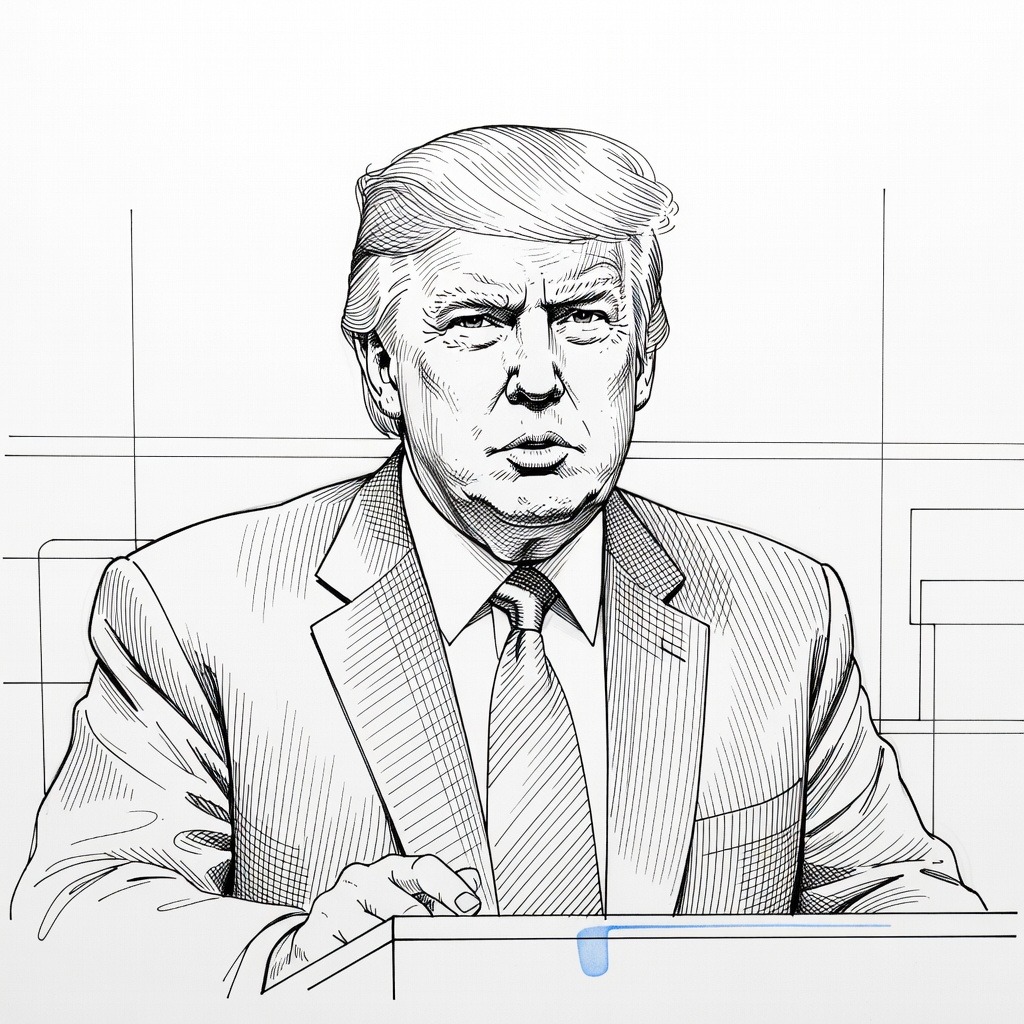
• Restoring Constitutional Guardrails The Supreme Court’s 6-3 decision serves as a vital reassertion of congressional authority over the executive branch’s creeping expansion of power. By invalidating the use of the International Emergency Economic Powers Act (IEEPA) for broad tariffs, the judiciary is enforcing the necessary separation of powers, signaling that a President cannot manufacture "emergencies" to bypass legislative oversight on taxation. This ruling validates the principle that trade policy belongs primarily to the legislative body, not the whims of the Oval Office.
• Circumventing Democratic Norms The administration’s immediate pivot to Section 122 of the Trade Act of 1974 reveals a concerning disregard for the spirit of the Court’s check on power. Utilizing a statute that allows for 150 days of unapproved action represents "loophole governance," designed to maintain a disputed policy agenda despite judicial rebuke. This maneuver prioritizes the imposition of levies—specifically the new 10-15% global tariff—over the democratic requirement to secure congressional authorization for long-term economic strategy.
• Destabilizing Diplomatic Channels The erratic shift from one legal justification to another creates a volatile environment that undermines international trust and alliance stability. The decision by India to postpone trade negotiations highlights the tangible cost of this unpredictability; foreign partners cannot negotiate in good faith when U.S. commitments are subject to sudden judicial voiding or executive pivots. The prospect of massive refunds ranging from $85 billion to $175 billion further exposes the fiscal recklessness of implementing policy through legally tenuous executive orders.
How it may affect me
As a U.S. reader:
• You may see price fluctuations on imported goods as the administration replaces the voided specific tariffs with a new 10-15% global import tariff valid for up to 150 days.
• Your investment portfolios could experience short-term gains, as financial markets rallied and broke recent losing streaks immediately following the Supreme Court's decision.
• The federal government faces fiscal uncertainty regarding $85 billion to $175 billion in potential refunds for voided tariffs, a liability that legal analysts expect will be settled through prolonged litigation rather than immediate payments.
• Pending trade agreements that influence the flow of international goods, such as those with India, may face delays or suspension as foreign partners reassess the stability of U.S. trade commitments.