
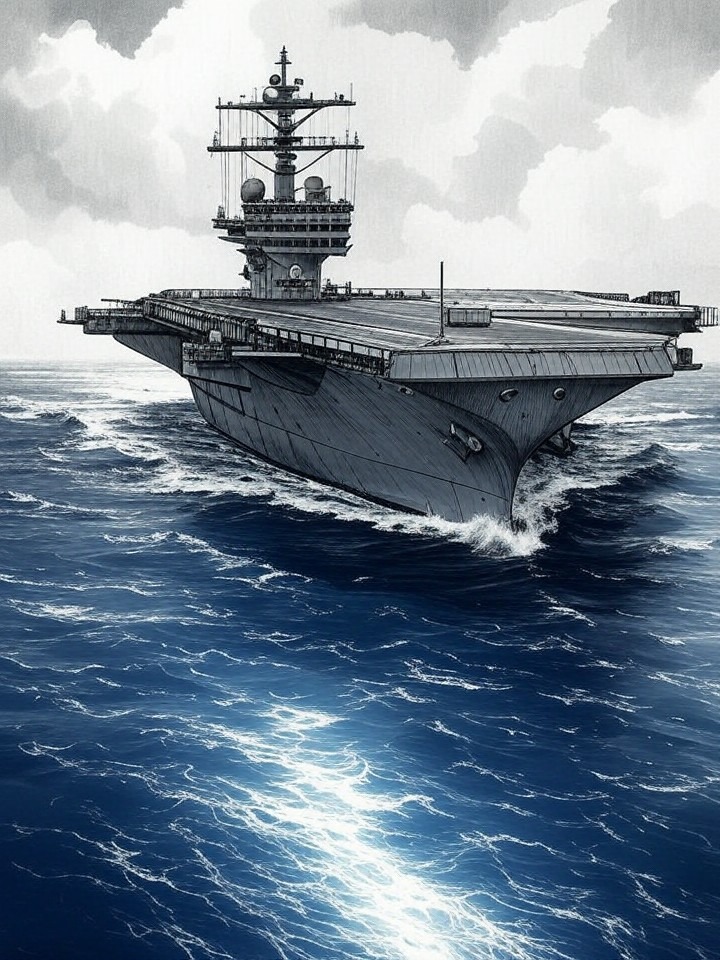
• Dangerous Brinkmanship Spiral The administration’s imposition of a 10-day deadline, coupled with the deployment of the USS Gerald R. Ford to join the USS Abraham Lincoln, is viewed as a reckless escalation that invites catastrophic miscalculation. By prioritizing military ultimatums over the "progress" cited by Iranian officials in Geneva, this approach risks collapsing diplomatic channels and triggering a conflict where the human cost far outweighs any strategic gain.
• Erosion of International Norms The suggestion that the newly formed "Board of Peace" might eventually oversee the United Nations signals a concerning move to dismantle established multilateral governance and international law. While the $10 billion pledge for Gaza appears generous, bypassing established global frameworks creates a lack of accountability and suggests that aid is being weaponized as a tool of unilateral control rather than genuine humanitarian relief.
• Economic and Social Volatility The immediate spike in U.S. crude futures demonstrates how aggressive posturing destabilizes global markets and threatens the economic security of the average consumer. Prioritizing a "maximum pressure" campaign creates volatility in the Strait of Hormuz, endangering global shipping lanes and imposing invisible taxes on the public through rising energy costs, all while risking a war that would make reconstruction impossible.
How it may affect me
As a U.S. reader:
• You may face increased costs for gasoline and energy in the short term, as U.S. crude futures have already risen more than 2 percent amid fears that military tensions could disrupt global shipping through the Strait of Hormuz.
• Your tax liability or national debt obligations could be impacted by the administration's pledge of $10 billion to the newly formed Board of Peace, though the specific source of this funding remains unclarified.
• You are witnessing a heightened risk of American military involvement in a new conflict, as the deployment of two aircraft carrier strike groups supports a strict 10-day ultimatum delivered to Iran.
• You may see a significant shift in how the U.S. conducts foreign policy and aid, with the administration signaling a move to bypass the United Nations in favor of the new Board of Peace for overseeing reconstruction efforts.