
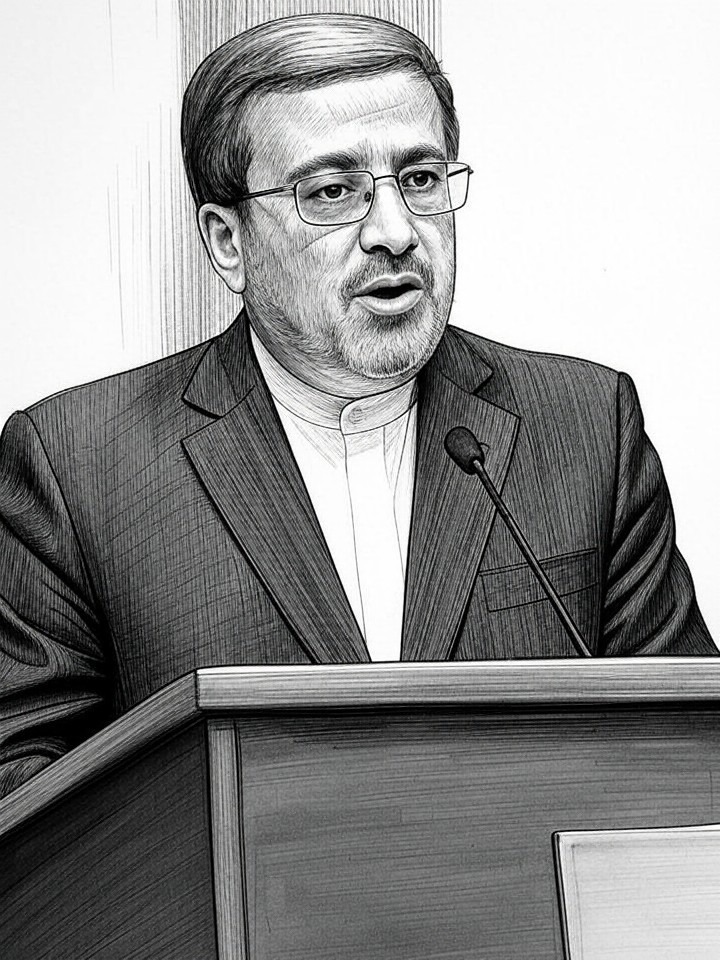
• Validation of Diplomatic Channels Prioritizing de-escalation over confrontation, this camp views the "good progress" and agreement on "guiding principles" in Geneva as the only viable path to stability. They argue that despite the aggressive posturing in the Strait of Hormuz, the persistence of indirect negotiations proves that dialogue can withstand military tension. The immediate drop in oil futures following the Foreign Minister’s comments acts as economic proof that the global community prefers diplomatic engagement to kinetic conflict.
• Risk of Escalatory Spirals This faction interprets the deployment of the USS Gerald R. Ford to join the USS Abraham Lincoln not as a safety measure, but as a dangerous provocation that jeopardizes the delicate talks. They contend that saturating the region with heavy weaponry increases the probability of accidental engagement during Iran's live-fire drills. The logic here is that "safety of international waterways" is best secured by lowering the temperature, not by amassing a naval armada that invites a reciprocal response.
• Pragmatic Threat Compartmentalization Acknowledging Iran's refusal to negotiate regarding ballistic missiles or enrichment cessation, this side advocates for a piecemeal approach to security. They reason that securing a nuclear framework first is a necessary triumph that shouldn't be held hostage by the more intractable issue of conventional arms. By focusing on what is achievable in Geneva, they aim to prevent a total diplomatic collapse, viewing imperfect progress as superior to the alternative of unchecked hostility.
How it may affect me
As a U.S. reader: Consumers may experience fluctuations in energy prices, as oil futures reportedly fell following positive diplomatic signals but face potential volatility due to the partial closure of the Strait of Hormuz. The deployment of the USS Gerald R. Ford and additional destroyers represents a significant commitment of military resources, increasing the immediate risk of accidental engagement for U.S. personnel operating near live-fire drills. Agricultural industries may continue to face economic shortfalls, as data released during the summit indicates that anticipated purchases of U.S. farm products by China have failed to materialize. Long-term national security concerns remain unresolved, as the current diplomatic framework excludes negotiations on Iran's uranium enrichment and ballistic missile program.