
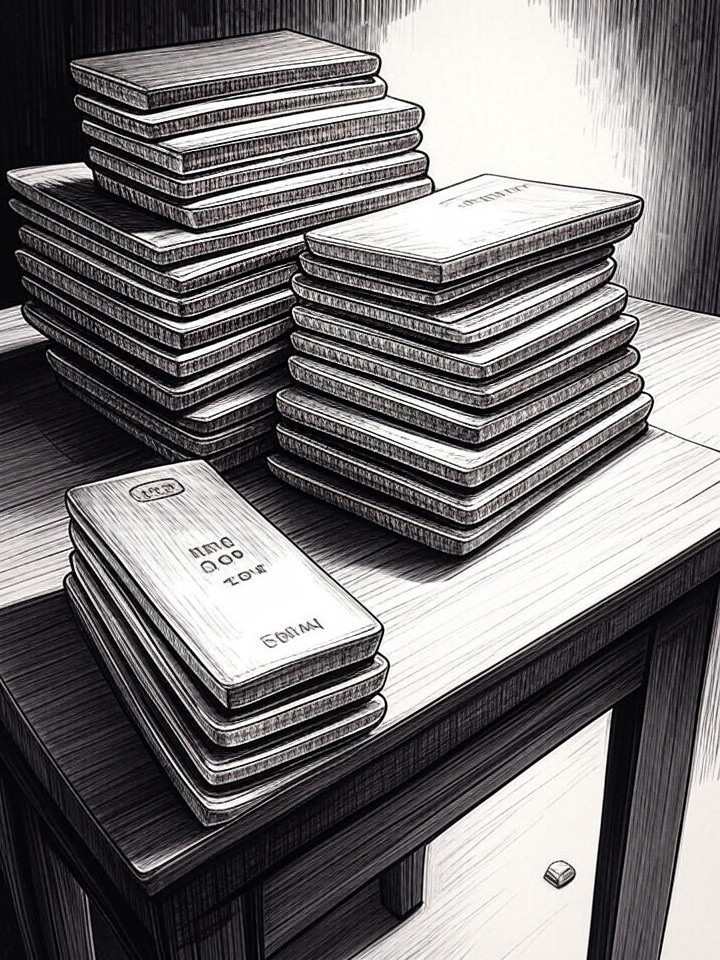
• Hoarding Over Production The surge of gold to $4,955.48 per ounce represents a concerning exit of capital from the productive economy into passive wealth storage. When investors lock nearly $50,000 into a single 10-ounce bar, they are prioritizing asset shielding over investments that generate wages or infrastructure. This trend suggests that the wealthy are insulating themselves from economic realities rather than contributing to broader growth.
• Retail Speculation Trap The extreme volatility of silver, plummeting from over $110 to $76 per ounce in weeks, highlights the dangers unregulated commodity markets pose to smaller participants. While institutional traders dealing in 1,000-ounce wholesale bars can absorb these shocks, this fluctuation functions as a wealth transfer away from retail investors who may have bought at the peak. The market mechanisms here favor those with the logistical capacity to hold physical assets indefinitely.
• Fragile Saver Security While 4.00% interest on money market accounts provides temporary relief for middle-class savers, the forecast that these rates will "cool later in the year" exposes the vulnerability of relying on cash yields. If inflation is high enough to drive gold to record highs, a declining interest rate on a $25,000 balance effectively guarantees a loss of purchasing power. The system forces average earners to choose between risky speculation or eroding savings.
How it may affect me
As a U.S. reader:
• Savers currently benefit from money market rates near 4.00 percent, which could generate nearly 800 dollars on a 25,000 dollar balance over nine months, though these variable rates are forecast to decline later in the year.
• Investors using precious metals as a hedge against inflation must navigate significant price swings, such as silver dropping from 110 dollars to 76 dollars per ounce, which can disproportionately impact those unable to hold assets for the long term.
• The record high gold price of roughly 4,955 dollars per ounce forces a decision between locking capital into non-yielding physical assets with storage costs or retaining liquidity in cash accounts that are vulnerable to changing interest rate environments.