
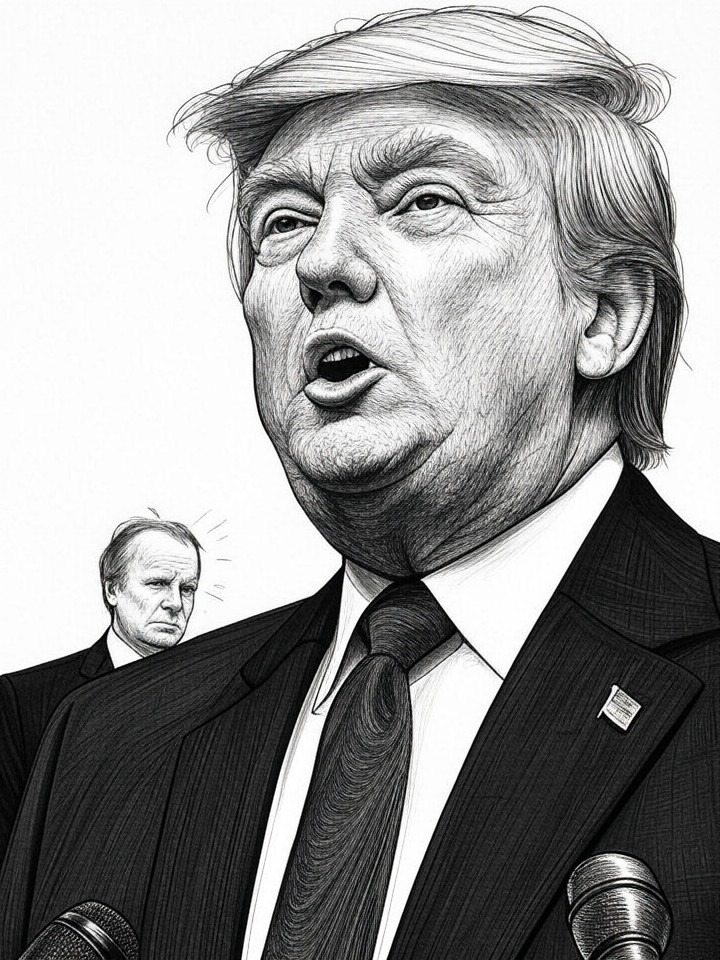
• Prioritizing Strategic De-escalation This perspective views Ocasio-Cortez’s emphasis on avoiding confrontation with China as a necessary corrective to reflexively hawkish foreign policy. By pausing to weigh the immense gravity of committing troops to Taiwan, the reasoning shifts from automatic military posturing to a careful calculation of human cost. The priority here is preventing a catastrophic great-power war, valuing diplomatic off-ramps over performative aggression.
• Defending Sovereign Norms While acknowledging Maduro as an "anti-democratic leader," this framework argues that unilateral U.S. actions—specifically the arrest of a sitting head of state—constitute a violation of international law. Labeling the arrest as "kidnapping" and an "act of war" reflects a commitment to a rules-based global order where sovereignty is respected, preventing a precedent that could destabilize global diplomatic relations.
• Valuing Ethical Deliberation The "incompetence" label applied by Trump is seen as a distraction from the substantive moral argument against regime change operations. From this view, a factual error regarding geography is trivial compared to the ethical error of engaging in "acts of war" without sufficient scrutiny. True competence is defined by the moral courage to challenge state violence, rather than merely projecting confidence while executing aggressive policies.
How it may affect me
As a U.S. reader:
• You may face uncertainty regarding the future of U.S. military commitments in Asia, as the contrasting views on Taiwan highlight a policy divide between prioritizing immediate deterrence and seeking diplomatic off-ramps to avoid conflict with China.
• The public could experience the consequences of a fractured diplomatic reputation, as internal disagreements over the legality of arresting foreign leaders may influence how allies and adversaries perceive U.S. adherence to international norms.
• Voters will be presented with competing standards for holding office, forcing a choice between leadership styles that prioritize the projection of absolute authority and factual precision versus those that value ethical deliberation and the questioning of state violence.