
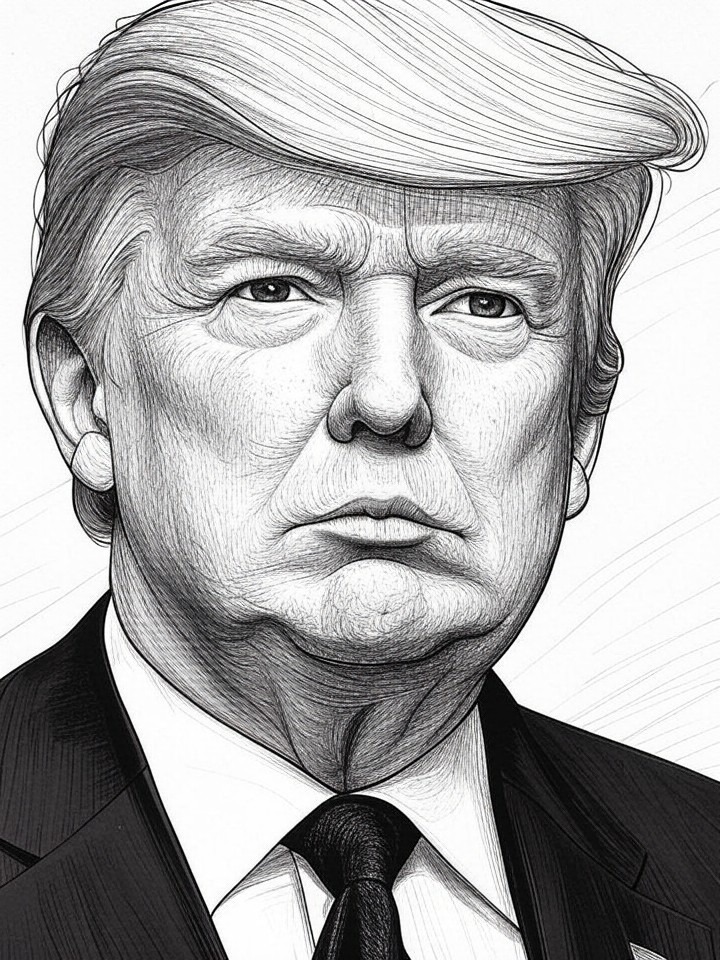
Democrats submit counteroffer on immigration reforms as DHS shutdown continues

Illustration for: Democrats submit counteroffer on immigration reforms as DHS shutdown continues
AI-generated illustration. Visual interpretation does not represent real individuals or scenes.

THE BARE STORY

Congressional Democrats submitted a counteroffer to the White House on Monday regarding immigration enforcement reforms, marking the latest step in negotiations to fund the Department of Homeland Security (DHS). The department entered a partial shutdown on Saturday after a short-term funding extension expired without a new agreement.

The legislative standoff follows a recent enforcement operation in Minneapolis where federal agents shot and killed two people. In the wake of the incident, Democrats have conditioned DHS funding on policy changes for Immigration and Customs Enforcement (ICE) and Customs and Border Protection (CBP). Democratic leadership has outlined objectives that include mandatory body cameras, restrictions on "roving patrols," and a ban on agents wearing masks.

President Donald Trump stated on Monday that he intends to meet with Democrats but expressed opposition to several of their demands, emphasizing his commitment to protecting law enforcement. The proposal to prohibit agents from wearing masks has drawn specific criticism from the administration; White House border official Tom Homan argued that while he personally dislikes masks, they are necessary for agent safety due to safety threats.

Despite the lapse in appropriations, immigration enforcement operations remain largely active because ICE and CBP are utilizing funds from the previously passed "One Big Beautiful Bill" Act. However, other DHS components, including the Transportation Security Administration, the Coast Guard, and the Federal Emergency Management Agency, are operating without current funding, with many staff working without pay. Lawmakers are scheduled to return to Washington on February 23.

Same Facts. Different Perspectives.

Two AI models. Two viewpoints. One factual foundation.

• Mandating Institutional Accountability Civil liberty advocates argue that the state’s monopoly on force must be checked by rigorous transparency, making the Minneapolis shooting a catalyst for non-negotiable oversight. By demanding mandatory body cameras, this camp asserts that lethal enforcement operations cannot happen in a vacuum of evidence. The priority here is establishing a clear chain of custody for agent actions to prevent future abuses of power.

• Checking Paramilitary Anonymity The push to ban agents from wearing masks and restrict "roving patrols" is rooted in the belief that domestic law enforcement must remain distinct from military operations. This perspective contends that when state agents operate anonymously, impunity increases and trust within vulnerable communities evaporates. A free society requires that those wielding authority be identifiable and personally accountable to the public they serve.

• Leveraging Appropriation Power Viewing the budget process as the primary constitutional check on executive overreach, this faction sees the DHS shutdown as a necessary friction to force systemic change. Because ICE and CBP remain operational via the "One Big Beautiful Bill" Act, reformers argue they have the strategic room to withhold broader DHS funding. This tactic aims to compel the administration to accept humanitarian guardrails rather than writing a blank check for existing enforcement tactics.

How it may affect me

As a U.S. reader:

• You may experience potential instability or strain in services provided by the TSA, Coast Guard, and FEMA as these agencies operate without current funding and staff work without pay.

• Immigration enforcement activities will continue within communities and at borders in the short term, as ICE and CBP are using previously allocated funds to remain operational despite the shutdown.

• Future encounters with federal agents could involve stricter identification requirements and mandatory body cameras if negotiations result in the adoption of proposed transparency reforms.

• The partial government shutdown is expected to continue until at least February 23 when lawmakers return to Washington, prolonging uncertainty for affected federal services.

Read the story at

Note: All TheBareNews content is AI-generated. For additional context, reporting, and updates, you are invited to explore the news outlets linked above.