
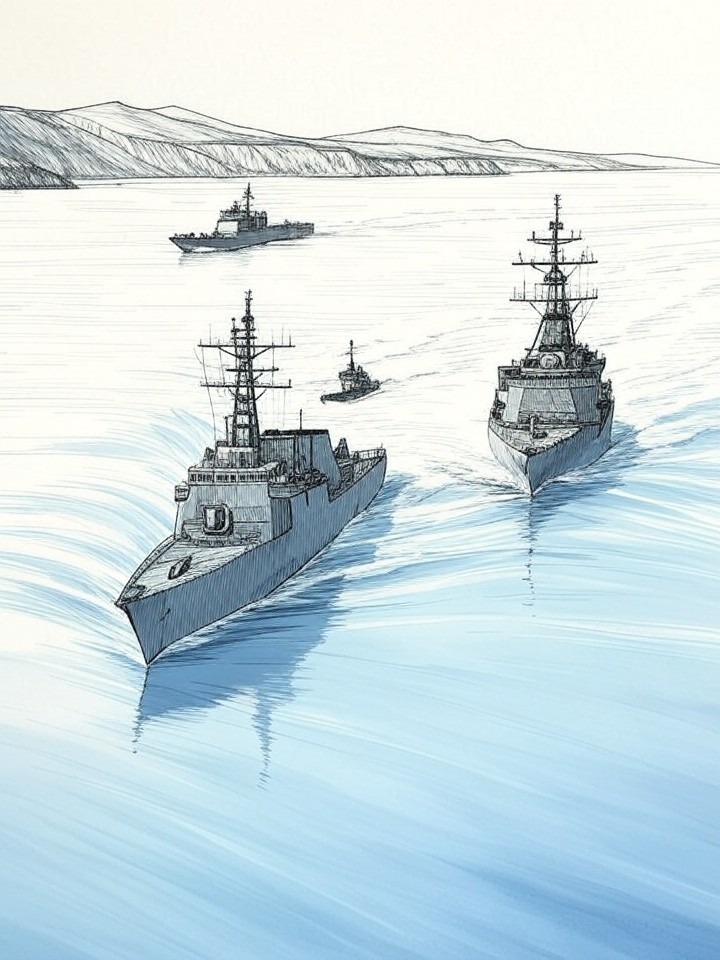
• Diplomatic Fragility Risk Prioritizing de-escalation requires isolating diplomatic progress from military posturing. The decision to conduct "Smart Control" live-fire exercises during sensitive negotiations in Geneva is viewed as a dangerous provocation that undermines the tentative "guiding principles" established by envoys. This perspective argues that militarizing the Strait during talks risks an accidental kinetic engagement that could shatter the diplomatic window before an agreement is imminent.
• Containment of Conflict Scope Effective conflict resolution demands focusing on achievable goals—specifically nuclear enrichment—rather than expanding the parameters to non-starters. American insistence on addressing "security concerns beyond nuclear enrichment," such as ballistic missiles, risks cornering Tehran into defensive aggression like the IRGC’s closure threats. By widening the aperture of the talks too aggressively, the U.S. may inadvertently incentivize the very missile posturing it seeks to curtail.
• Priority of Commercial Stability The immediate focus must remain on the humanitarian and economic necessity of open maritime corridors. The temporary disruption of traffic and the global shipowners' forced avoidance of the zone highlight the human cost of brinkmanship. The subsequent decline in oil prices indicates that the market prefers the stability promised by the Geneva dialogue over the volatility of military drills, reinforcing the need to prioritize diplomatic outcomes over saber-rattling.
How it may affect me
As a U.S. reader:
• You may see short-term stability in energy costs, as market data indicates oil prices declined following the diplomatic meetings in Geneva despite the concurrent military exercises.
• Future access to global goods and oil supplies could face long-term volatility, as the Strait of Hormuz handles a significant portion of seaborne crude and Iranian officials have threatened to close the passage if ordered.
• The path to a diplomatic agreement remains complex and likely prolonged, as U.S. officials insist on addressing ballistic missile programs alongside nuclear issues, while Iranian representatives state that a final deal is not imminent.
• The risk of accidental military conflict involving U.S. interests persists, given that live-fire missile and drone drills are being conducted in close proximity to commercial shipping lanes and sensitive negotiation sites.