
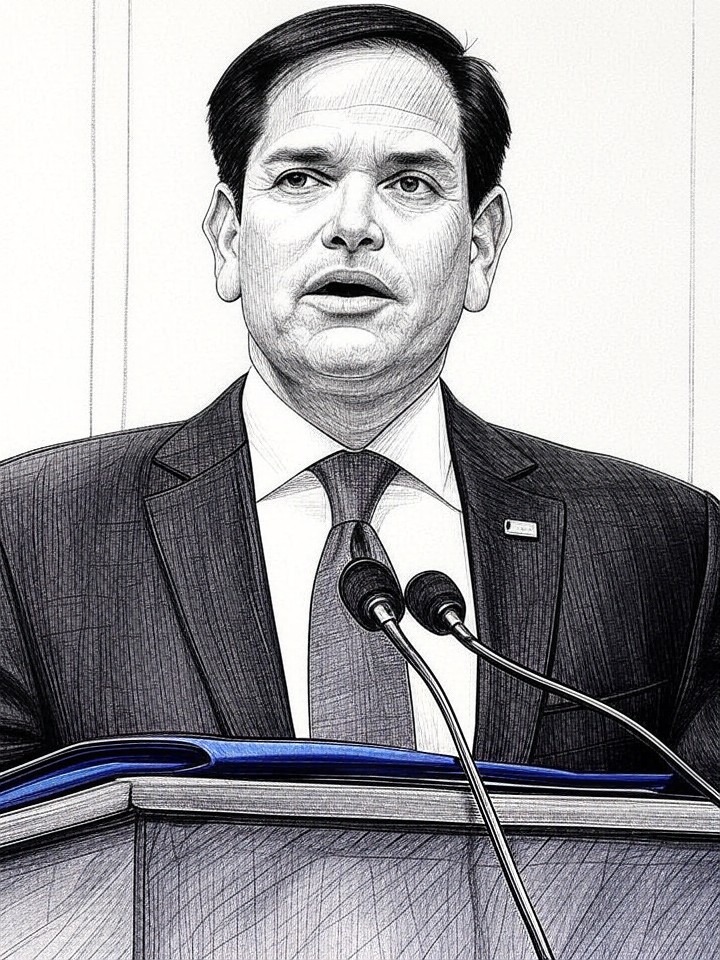
• Erosion of Multilateralism By asserting that American leadership supersedes international organizations like the U.N. in managing conflicts, this perspective argues the administration is dismantling the rules-based global order. Prioritizing unilateral power over collective frameworks ignores the necessity of international law in resolving crises in Ukraine and the Middle East. This approach risks replacing diplomatic consensus with a "might makes right" dynamic that alienates global partners.
• Dangerous Nativist Rhetoric Rubio's characterization of past policies on mass migration and border security as "dangerous delusions" is viewed as a pivot toward exclusionary nationalism rather than humanitarian responsibility. Framing complex demographic shifts solely as security failures ignores the root causes of displacement and the moral obligation to protect the vulnerable. This logic fears that redefining civil challenges as military threats inevitably leads to human rights regressions.
• Destabilizing Cold War Posture While the "softer tone" compared to Vice President Vance is noted, the substantive demands for defense dominance and the rejection of "intertwined" reliance suggests a pivot toward confrontation rather than de-escalation. By focusing on reindustrialization for defense and containing rivals, the administration risks validating Beijing’s warning of a "Cold War mentality." This stance prioritizes strategic competition over the cooperative solutions needed for global challenges like climate change or pandemics.
How it may affect me
As a U.S. reader: You may experience shifts in the domestic labor market as the government prioritizes reindustrializing the economy and securing critical mineral supply chains to support sectors like artificial intelligence and commercial space travel. Long-term defense obligations and associated taxpayer costs could evolve if European allies respond to demands for reciprocity by increasing their own contributions to security and reducing reliance on American subsidies. The management of international crises may increasingly bypass organizations like the U.N. in favor of direct U.S. action, a strategy intended to produce faster results but one that risks heightened tensions with global rivals like China. National debate and policy regarding border security may intensify or become more restrictive, as the administration reframes past approaches to mass migration as security failures rather than humanitarian challenges.