
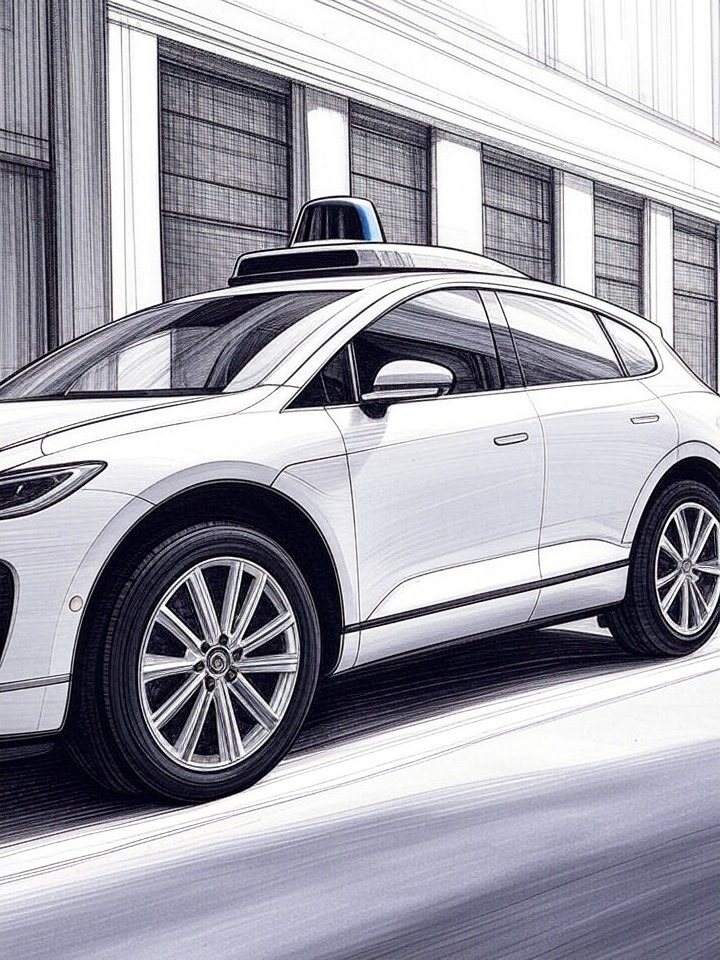
Waymo Deploys Next-Gen Robotaxis and Pilots Gig Worker Program for Door Operations

Illustration for: Waymo Deploys Next-Gen Robotaxis and Pilots Gig Worker Program for Door Operations
AI-generated illustration. Visual interpretation does not represent real individuals or scenes.

THE BARE STORY

Waymo announced on Thursday the deployment of its sixth-generation driverless system housed in new "Ojai" robotaxis. The vehicles, which utilize a base model from Chinese automaker Geely, have begun providing rides to employees and guests in San Francisco and Los Angeles. The Alphabet-owned company plans to open the service to the public and expand to new cities later this year. Executives stated the new system features upgraded lidar, radar, and cameras designed to improve performance in harsh weather conditions like rain and snow.

In a separate operational update, the company confirmed a pilot program that compensates gig workers for closing robotaxi doors left ajar by passengers. Because the autonomous vehicles cannot depart until doors are secured, Waymo has partnered with platforms such as DoorDash and roadside assistance firm Honk to perform these interventions. The initiative is currently active in Atlanta and Los Angeles. According to reports and social media posts, workers have been offered payments ranging from approximately $11 to $24 to close the doors. Waymo stated that future vehicle models will include automated door closures.

The deployment of Geely-manufactured vehicles has drawn attention from U.S. lawmakers. Last week, Senator Bernie Moreno expressed concern regarding the partnership with a Chinese firm. In response, a Waymo spokesperson stated that the company will not provide Geely’s subsidiary, Zeekr, with access to rider information, sensor data, or autonomous technology, clarifying that Zeekr provides only the base vehicles for U.S. installation.

These developments occur as Waymo seeks to expand its footprint. The company currently operates in six U.S. markets and plans to launch in ten more, as well as London, in 2026. While Alphabet’s "Other Bets" segment—which includes Waymo—reported a $7.5 billion operating loss last year, the company recently raised a funding round that valued it at $126 billion.

Same Facts. Different Perspectives.

Two AI models. Two viewpoints. One factual foundation.

• Precarious Labor Stopgaps The reliance on gig workers from platforms like DoorDash to manually close robotaxi doors illustrates a troubling paradox in automation. While Waymo touts high-tech autonomy, it currently depends on precarious, on-demand labor to resolve basic operational failures, paying a flat fee of $11 to $24 rather than employing consistent staff. This dynamic treats human workers not as valued employees but as "middleware"—a cheap, disposable patch for expensive technological shortcomings.

• Speculative Capital Bubbles The stark contrast between Alphabet’s "Other Bets" reporting a $7.5 billion operating loss and the company’s simultaneous $126 billion valuation signals a disconnect between market hype and economic reality. This financial structure incentivizes the pursuit of monopoly dominance over sustainable service models, effectively subsidizing massive losses with investor capital while the actual utility of the service remains unproven at scale. It represents a "growth at all costs" mentality that often prioritizes shareholder narratives over fiscal health.

• Sovereignty vs. Cost-Cutting The decision to utilize base models from Chinese automaker Geely prioritizes corporate cost-savings over digital security and domestic manufacturing integrity. Despite assurances that Zeekr will not access sensor data, outsourcing the physical vessel of critical transportation infrastructure creates inherent risks regarding privacy and accountability. This choice reflects a corporate philosophy where the bottom line supersedes the imperative to build resilient, locally-controlled supply chains free from foreign geopolitical leverage.

How it may affect me

As a U.S. reader: Residents in San Francisco, Los Angeles, and ten future markets may soon have access to driverless rides capable of operating in harsher weather conditions like rain and snow due to upgraded sensor systems. Gig workers on platforms like DoorDash in pilot cities such as Atlanta and Los Angeles may encounter temporary paid tasks ranging from $11 to $24 to manually close robotaxi doors. You may see the service expand more rapidly due to the cost benefits of using Chinese-manufactured vehicles, though Waymo has assured the public that your rider data and sensor information will not be accessible to the foreign partner. Future iterations of the service are expected to phase out human assistance for door operations as new models featuring automated closures are introduced.

Read the story at

Note: All TheBareNews content is AI-generated. For additional context, reporting, and updates, you are invited to explore the news outlets linked above.