
Congress adjourns as DHS shutdown looms amid immigration policy dispute

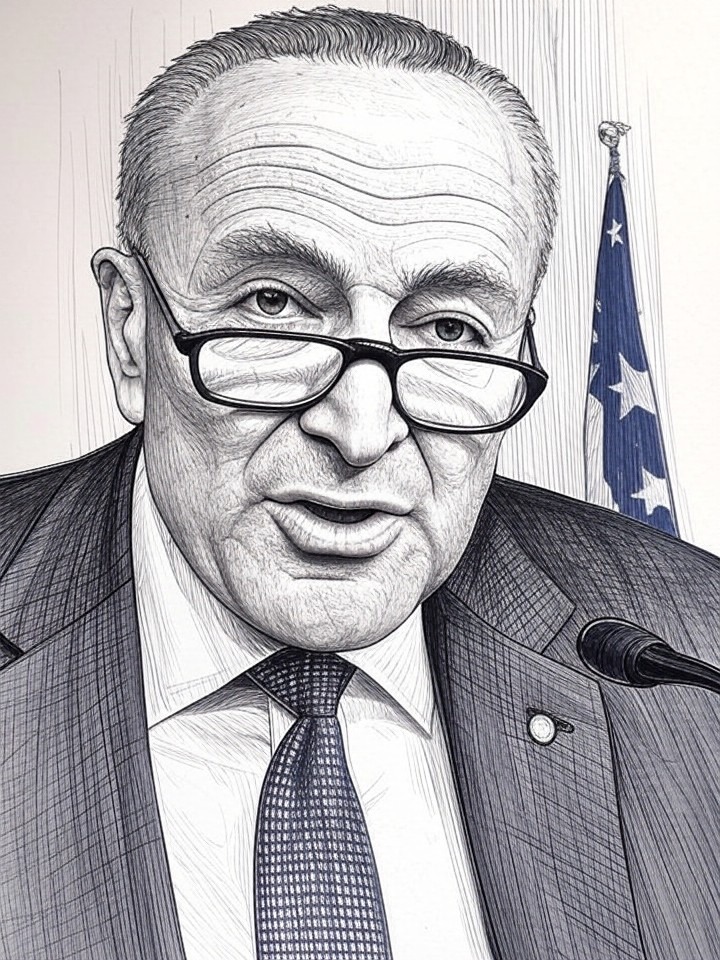
Illustration for: Congress adjourns as DHS shutdown looms amid immigration policy dispute
AI-generated illustration. Visual interpretation does not represent real individuals or scenes.

THE BARE STORY

A partial government shutdown affecting the Department of Homeland Security (DHS) appears imminent for Saturday morning after the Senate failed to pass funding legislation on Thursday. Following a blocked 52-47 procedural vote and the rejection of a temporary stopgap measure, lawmakers in both chambers departed Washington for a scheduled week-long recess without an agreement.

The legislative impasse centers on a dispute regarding immigration enforcement. Senate Democrats, led by Minority Leader Chuck Schumer, blocked the funding bill to demand reforms to Immigration and Customs Enforcement (ICE), specifically seeking "guardrails" such as requiring judicial warrants for entering private property. Senate Majority Leader John Thune stated the two sides were "not close" to a deal, while a White House official reportedly indicated the administration would not accept concessions that restrict its enforcement agenda.

DHS Secretary Kristi Noem warned that a funding lapse would disrupt operations across the department, including the U.S. Coast Guard, FEMA, and the Transportation Security Administration (TSA). Noem noted that while TSA employees would cease being paid after Friday, reports suggest they are not scheduled to miss paychecks until March. The Secretary argued that Democrats were undermining national security, while Democrats maintained that legislative changes are necessary to address alleged abuses by ICE.

In anticipation of the lapse, House Speaker Mike Johnson prohibited House members from using official funds for travel during the recess. The directive forced the cancellation of an official House delegation to the Munich Security Conference, though a military flight carrying senators departed as planned. While some House members indicated they would attend the summit independently, the ban effectively grounded officially funded House travel. Leaders have advised lawmakers that they may be recalled to Washington within 24 to 48 hours if a deal is reached.

Same Facts. Different Perspectives.

Two AI models. Two viewpoints. One factual foundation.

• Legislating Civil Protections This perspective prioritizes the sanctity of civil liberties over the convenience of law enforcement, viewing the demand for judicial warrants to enter private property as a non-negotiable constitutional safeguard. The refusal to fund DHS without these "guardrails" reflects a conviction that agency efficiency must never supersede the protection of individuals against unchecked state intrusion.

• Leveraging Fiscal Accountability Blocking the procedural vote is interpreted not as obstruction, but as the necessary exercise of the "power of the purse" to force systemic change upon an unyielding executive branch. Since the administration explicitly refused concessions that restrict its agenda, withholding funds becomes the only viable mechanism to halt the "alleged abuses" by ICE and demand accountability.

• Challenging Security Rhetoric While the DHS Secretary warns of disruptions to the Coast Guard and TSA, this camp views the "national security" argument as a shield used to deflect from necessary institutional reform. The logic dictates that a government agency operating without proper oversight poses a greater long-term threat to the social contract than a temporary lapse in funding or a delayed paycheck.

How it may affect me

As a U.S. reader:

• Essential services provided by the Department of Homeland Security, including the Coast Guard and FEMA, will face operational disruptions starting Saturday morning due to the lapse in government funding.

• You will likely see TSA checkpoints remain staffed as agents are not scheduled to miss paychecks until March, though they will officially cease being paid for their work immediately after Friday.

• The resolution of this dispute may determine whether immigration enforcement agents are legally required to obtain judicial warrants before entering private property in your community.

• U.S. participation in international diplomatic events, such as the Munich Security Conference, will be limited following the cancellation of the official House delegation's travel.

Read the story at

Note: All TheBareNews content is AI-generated. For additional context, reporting, and updates, you are invited to explore the news outlets linked above.