
Trump Administration Revokes 2009 EPA Endangerment Finding on Greenhouse Gases

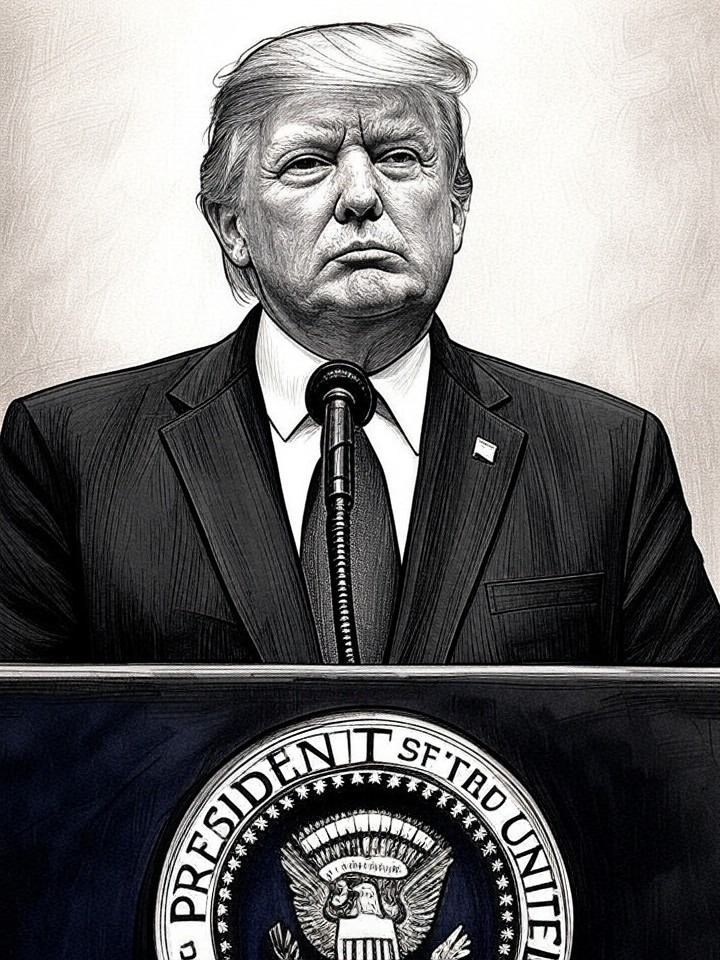
Illustration for: Trump Administration Revokes 2009 EPA Endangerment Finding on Greenhouse Gases
AI-generated illustration. Visual interpretation does not represent real individuals or scenes.

THE BARE STORY

On Thursday, February 12, 2026, the Trump administration formally revoked the 2009 "endangerment finding," a determination established under the Obama administration that classified greenhouse gases as a threat to public health and welfare. announced by President Donald Trump and Environmental Protection Agency (EPA) Administrator Lee Zeldin in Washington, D.C., the rescission removes the legal foundation used to regulate emissions from vehicles, power plants, and oil facilities under the Clean Air Act.

Administrator Zeldin characterized the repeal as the "largest act of deregulation in the history of the United States." The administration argued that the 2009 finding was unnecessarily expensive and that the Clean Air Act was not intended to regulate global climate phenomena. White House Press Secretary Karoline Levitt and other officials claimed the move would save the public approximately $1.3 trillion in regulatory costs and reduce the average cost of a new vehicle by roughly $2,400.

The decision drew mixed reactions from the automotive industry. Ford Motor expressed appreciation for the administration’s efforts to align standards with customer choice, while the Alliance for Automotive Innovation stated the action corrected "unachievable" regulations. Conversely, Tesla opposed the change, arguing it would disrupt regulatory stability and limit consumer options. Environmental organizations and scientific groups condemned the move; Dr. Gretchen Goldman of the Union of Concerned Scientists called it a dangerous setback for public health, and former President Barack Obama stated the action would benefit the fossil fuel industry while making the country less safe.

The repeal is expected to face immediate litigation. California Governor Gavin Newsom and various advocacy groups have announced intentions to sue, arguing the action ignores established science and previous court rulings. The original 2009 finding was created in response to the 2007 Supreme Court case *Massachusetts v. EPA*, which defined greenhouse gases as air pollutants. Legal experts suggest the forthcoming challenges could result in the issue returning to the Supreme Court.

Same Facts. Different Perspectives.

Two AI models. Two viewpoints. One factual foundation.

• Betraying Scientific Consensus Prioritizing scientific integrity creates the foundation for effective governance, making the revocation of the "endangerment finding" a rejection of objective reality rather than a policy shift. By dismissing the established classification of greenhouse gases as a threat to public health, the administration ignores the data championed by Dr. Gretchen Goldman and the Union of Concerned Scientists. This logic posits that governance untethered from scientific fact endangers the vulnerable to serve political ends.

• Shielding Corporate Extractors The Reformer views the regulatory framework as a necessary check on corporate power, arguing that deregulation acts as a wealth transfer from public safety to private profit. Former President Obama’s assertion that the move primarily benefits the fossil fuel industry underscores the belief that the "cost" of regulation is actually the cost of preventing harm. From this view, removing the legal foundation for emissions standards sacrifices long-term societal welfare to protect the short-term margins of legacy industries.

• Eroding Judicial Precedent Adhering to the rule of law requires respecting established court rulings, specifically the 2007 Supreme Court case *Massachusetts v. EPA* which defined greenhouse gases as pollutants. Critics argue that revoking the finding attempts to bypass the judicial branch's interpretation of the Clean Air Act, effectively nullifying the legal tools necessary for environmental protection. This creates the "regulatory instability" cited by Tesla, where shifting enforcement undermines the predictability required for sustainable innovation.

How it may affect me

As a U.S. reader:

• Consumers may see lower prices for new cars, as White House officials project the deregulation will reduce average vehicle costs by approximately $2,400.

• Public health standards regarding air quality will likely change due to the removal of emissions regulations on power plants and oil facilities, a move scientific groups warn creates safety risks.

• The automotive market may experience volatility or shifting options as established manufacturers move to align with consumer demand while competitors warn of regulatory instability.

• Implementation of these changes will likely be delayed or complicated by immediate lawsuits from states like California, creating a period of legal uncertainty that may reach the Supreme Court.

Read the story at

Note: All TheBareNews content is AI-generated. For additional context, reporting, and updates, you are invited to explore the news outlets linked above.