
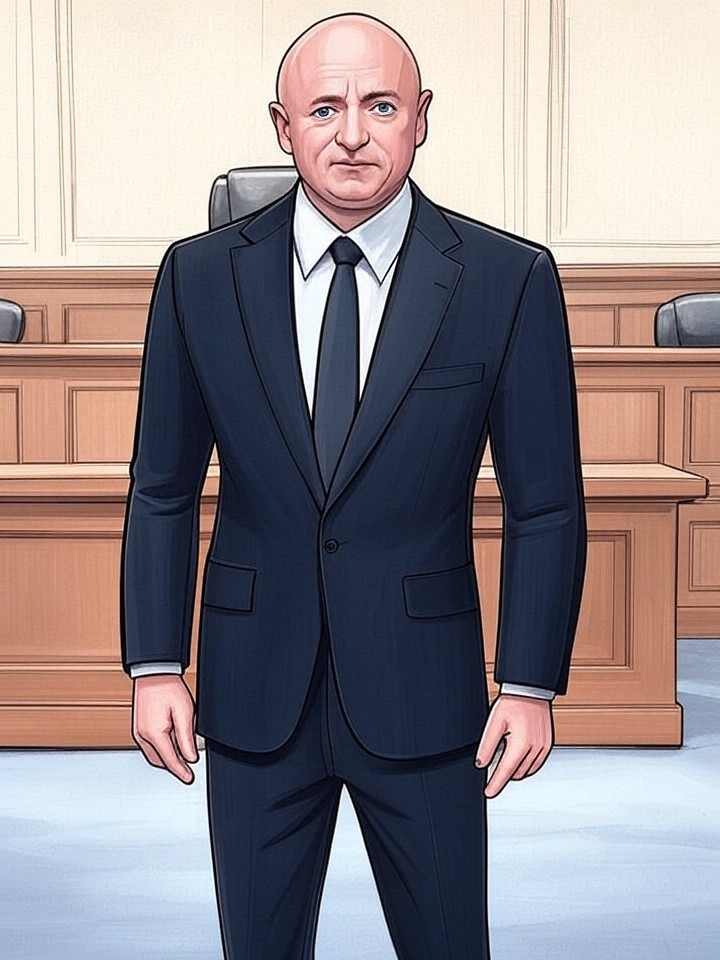
• Shielding Political Dissent Civil liberties function as the primary check against authoritarian overreach, particularly when the state attempts to penalize speech it finds inconvenient. Judge Leon’s preliminary injunction blocking the Defense Department is viewed as a victory for the First Amendment, validating the argument that administrative punishments—such as demotion or pay reduction—cannot be weaponized to silence elected officials like Senator Kelly. This perspective interprets the ruling as a necessary defense of the right to criticize executive leadership without fear of state retribution.
• Neutralizing Weaponized Justice The integrity of the judicial system depends on its ability to resist becoming a tool for political vendettas. The Grand Jury’s rejection of U.S. Attorney Jeanine Pirro’s request to indict the six lawmakers is seen as proof that the legal system still functions as a barrier against prosecutorial abuse. From this vantage point, Representative Crow’s demand to preserve evidence highlights a defensive strategy against an executive branch attempting to criminalize opposition under the guise of legal investigation.
• Reinforcing Constitutional Allegiance True patriotism involves adherence to the rule of law rather than blind loyalty to a specific leader. By advising troops to disobey "illegal orders," the lawmakers are interpreted not as inciting mutiny, but as reinforcing the military’s oath to the Constitution. This logic suggests that the "seditious" label applied by President Trump is a projection, intended to delegitimize a lawful reminder that the military serves the citizenry and the law, not the personal whims of the Commander-in-Chief.
How it may affect me
As a U.S. reader:
• The preliminary injunction affirms that retired military officers serving in Congress retain First Amendment protections against executive retaliation affecting their rank or retirement pay.
• Military personnel and the public may experience increased ambiguity regarding the chain of command, as the dispute highlights conflicting interpretations of whether troops should strictly obey orders or assess their legality.
• The grand jury's refusal to indict signals that the judicial system continues to require substantial evidence before criminalizing political speech, acting as a check on potential prosecutorial overreach.
• Ongoing FBI investigations and legal demands to preserve evidence ensure that the conflict between the administration and opposition lawmakers will persist, diverting federal resources toward internal legal battles.