
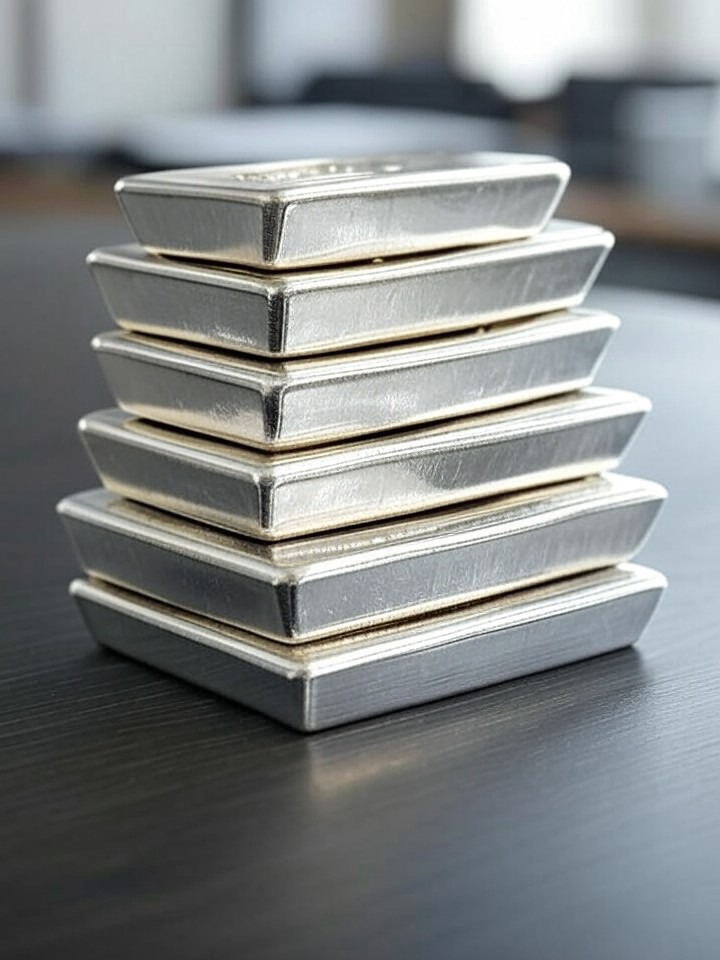
• Green Transition Tax By viewing silver primarily as a speculative asset, the market ignores the humanitarian cost of a 157% price surge on essential utilities. Silver is a critical component in solar panels and electronics; skyrocketing costs due to "structural shortages" threaten to stall the renewable energy transition by making green infrastructure prohibitively expensive for the working class.
• Speculative Bubble Risk The extreme volatility—swinging from a $110 speculative spike down to $75 before settling near $83—suggests a market driven by irrational exuberance rather than sustainable value. This casino-like behavior distorts the economy, prioritizing the profits of short-term traders over the stability required for consistent industrial production and consumption.
• Eroding Accessible Safety As gold becomes an exclusive asset for the wealthy at over $5,000 per ounce, lower-income investors forced into silver as an "accessible alternative" are exposed to disproportionate risk. The recommendation to cap holdings at 10% underscores the danger: the average saver seeking protection is being funneled into a volatile market where sharp swings can wipe out savings overnight.
How it may affect me
As a U.S. reader:
• Consumers may face higher retail prices for electronics and solar panels as manufacturers pass on the costs of silver, which has risen over 150% due to structural shortages.
• Individual investors priced out of the gold market may turn to silver for wealth preservation, though they face significant risks to their savings due to extreme price volatility.
• Households planning to adopt renewable energy could find solar installations becoming prohibitively expensive, potentially delaying personal transitions to green infrastructure.
• In the long term, current high prices may incentivize expanded mining operations to address supply deficits, which could eventually stabilize costs for industrial goods.