
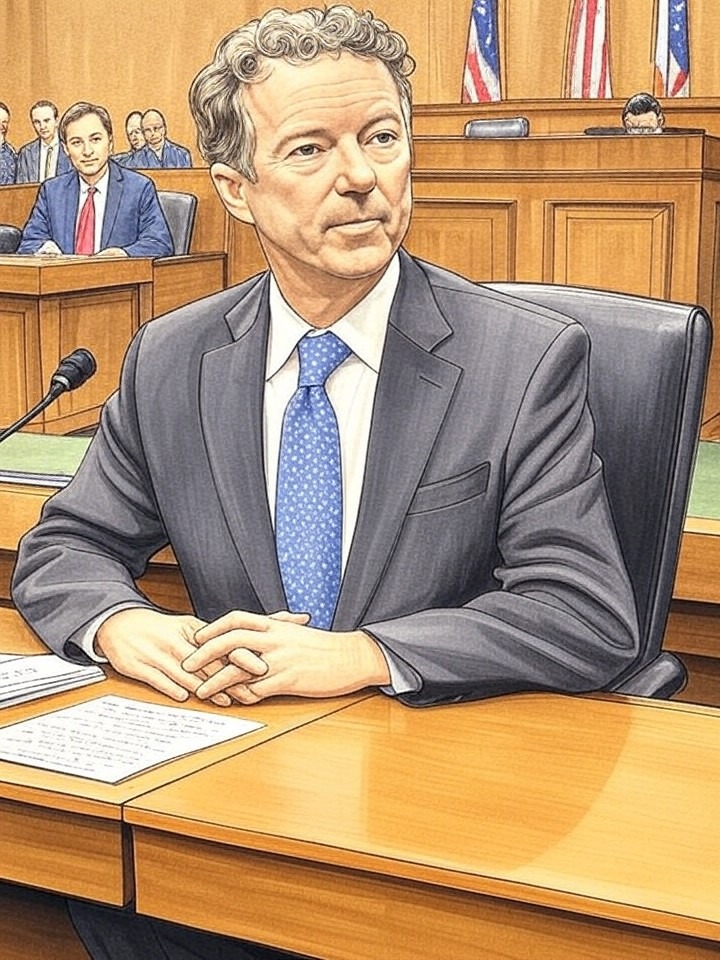
• Demanding Systemic Accountability Civil liberties and the protection of human life are paramount, making the deaths of Alex Pretti and Renee Good a tragedy that demands immediate oversight rather than procedural delays. The Reformer views the agency leaders' refusal to comment on "active investigations" not as prudent caution, but as an institutional shield designed to deflect responsibility. By prioritizing the "proper use of force," this framework insists that state violence must face rigorous public scrutiny to maintain legitimacy.
• Weaponizing The Purse The legislative stalemate over DHS appropriations is viewed as a necessary tactical lever to force structural change upon an entrenched bureaucracy. Without the threat of a funding lapse, The Reformer argues that critical reforms—specifically mandatory body cameras and restrictions on arrests in sensitive locations—would be indefinitely tabled by the status quo. This logic posits that fiscal stability is secondary to ensuring that tax dollars do not fund unchecked enforcement practices.
• Challenging Operational Opacity There is deep skepticism regarding the operational conduct of agencies like ICE and CBP, particularly when enforcement campaigns continue despite broader government dysfunction. The presence of figures like Minnesota Attorney General Keith Ellison at the hearing signals a drive to rebalance power from federal enforcers to local communities. The Reformer fears that without this intervention, the "public trust" cited by Chairman Paul will erode beyond repair, leading to further alienation of vulnerable populations.
How it may affect me
As a U.S. reader:
• Travelers interacting with the Transportation Security Administration may experience service impacts if the Department of Homeland Security enters a partial shutdown after the Friday funding deadline.
• Immigration enforcement operations in local communities are expected to continue uninterrupted during a potential shutdown due to funding secured in previous legislation.
• Future interactions with federal agents could involve mandatory body cameras and restrictions on arrests in sensitive locations if lawmakers include these reforms in the final appropriations deal.
• The outcome of the Senate hearings may lead to changes in federal use-of-force protocols or oversight mechanisms intended to address public trust following recent fatalities.