
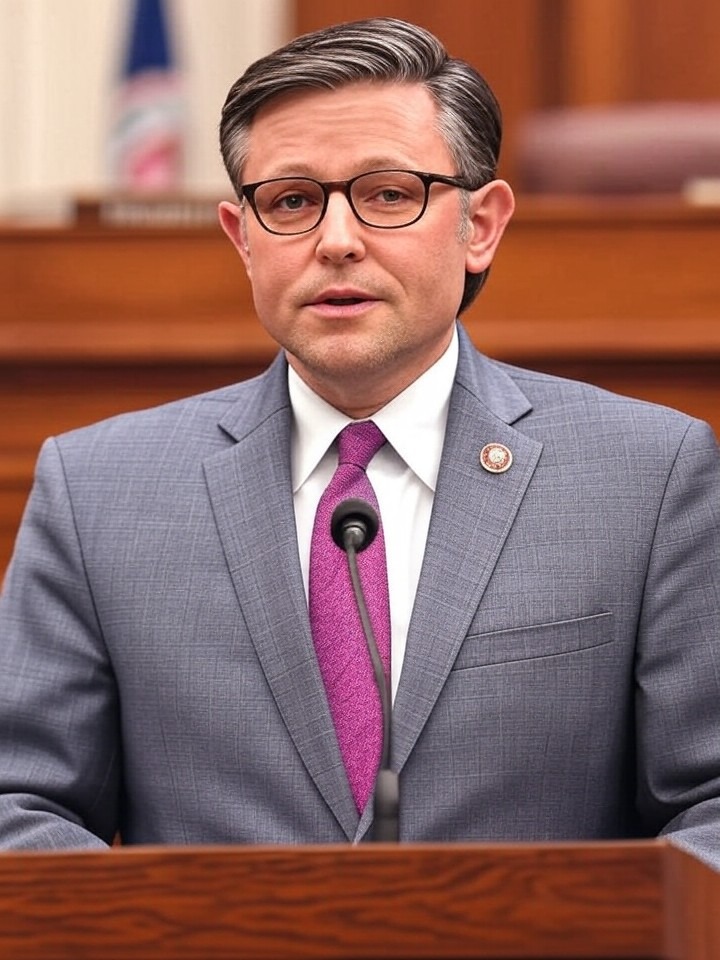
• Reclaiming Legislative Sovereignty The core function of the legislature is to check Executive overreach, a principle embodied by Representative Meeks’ argument that Speaker Johnson was "ceding congressional authority." This perspective views the procedural upset not as chaos, but as a necessary restoration of checks and balances. By rejecting the rule that blocked trade votes, the House reasserts that the power to regulate commerce and levy taxes resides with the people's representatives, not solely in the Oval Office.
• Shielding Economic Vulnerability Prioritizing the welfare of the citizenry over macroeconomic gambling, this camp adopts Representative Bacon’s characterization of tariffs as a "significant tax." The logic posits that unchecked trade wars indiscriminately penalize American consumers, manufacturers, and farmers. The vote is justified as a protective measure to stop the administration from extracting wealth from the working class to fund a geopolitical strategy that may yield no tangible benefit.
• Piercing Partisan Deadlock The collaboration between Democrats and the three Republican defectors is interpreted as a triumph of conscience over party machinery. Representative Kiley’s assertion that leadership power should not expand at the "expense of its members" aligns with a reformist view that governance must be democratic rather than autocratic. This camp values the "bipartisan" nature of the opposition as proof that the issue transcends tribal loyalty and addresses a fundamental flaw in the current policy.
How it may affect me
As a U.S. reader:
• You may face continued financial pressure regarding the cost of goods, as the resolution attempts to address warnings that the tariffs act as a significant tax on American consumers, manufacturers, and farmers.
• The outcome of ongoing trade negotiations with Canada could change, as the administration argues that this public challenge to the President's authority weakens U.S. leverage to secure favorable terms.
• You are witnessing a procedural shift in how trade policy is handled, with the House attempting to reclaim its constitutional authority to regulate commerce and check Executive power.
• Despite the vote, immediate changes to trade policy are unlikely, as the measure is widely viewed as symbolic and faces an expected presidential veto.