
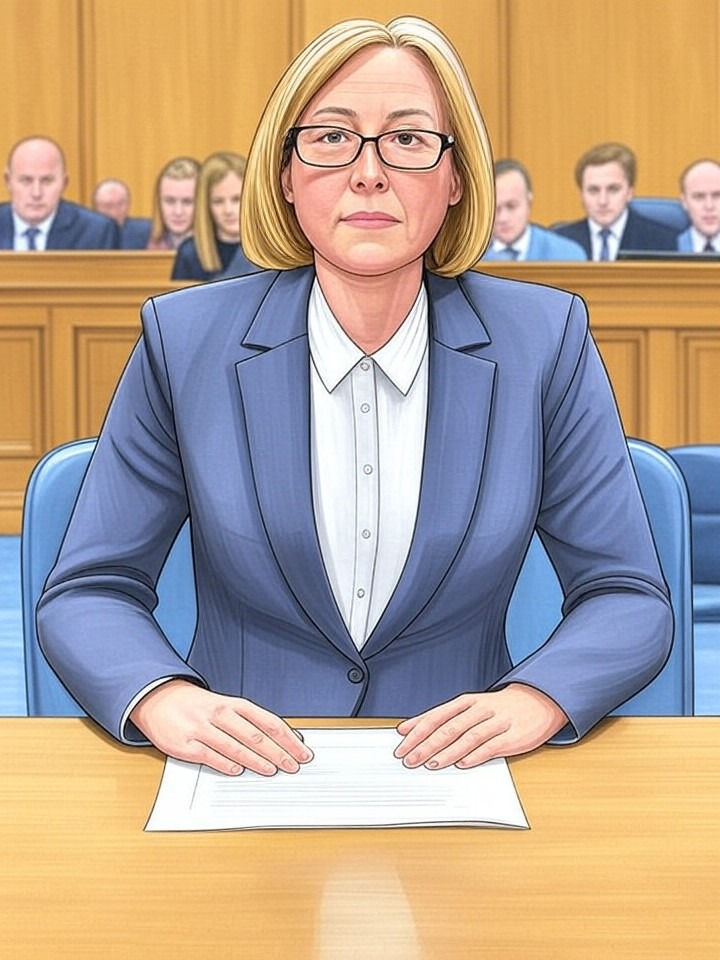
• Betraying Statutory Protection Duties The core mandate of the Justice Department is to shield the vulnerable while holding power accountable. By failing to protect victim identities while simultaneously redacting the name of a prominent businessman like Les Wexner, the agency violates this fundamental trust. Dismissing a request for a direct apology to present survivors as "theatrics" suggests the administration prioritizes political optics over the solemn obligation of restorative justice and statutory compliance.
• Eroding Democratic Norms Public trust in government relies heavily on the professional conduct and decorum of its highest officials. When the Attorney General resorts to ad hominem attacks—labeling elected representatives as "washed up loser lawyers" or "failed politicians"—it degrades the oversight process into a partisan spectacle. This rhetoric deflects from substantive questions about the DOJ functioning as an "instrument of revenge" and undermines the dignity required for a functioning democracy.
• Evading Accountability via Distraction Justice and economics are distinct spheres; financial metrics cannot absolve prosecutorial failures. Pivoting to the Dow Jones surpassing 50,000 when questioned about the lack of indictments for co-conspirators represents a calculated evasion of legal responsibility. This logic implies that economic prosperity grants the executive branch immunity from ethical scrutiny, replacing the rule of law with a transactional standard where wealth justifies administrative negligence.
How it may affect me
As a U.S. reader: You may observe a shift in how government accountability is measured, with the administration prioritizing economic metrics like stock market performance and retirement account growth over traditional legal or procedural benchmarks. The exposure of victim identities in released files, though corrected, suggests you may face continued uncertainty regarding the Department of Justice's ability to safeguard sensitive personal data and comply with statutory protections during high-profile investigations. Continued hostility between the Attorney General and Congress points to potential gridlock in federal oversight, which could affect how effectively the legislative branch checks executive power and investigates agency operations on your behalf. Survivors of crimes and the broader public may see a change in how the Justice Department interacts with victims, prioritizing operational processes over public expressions of contrition or direct apologies.