
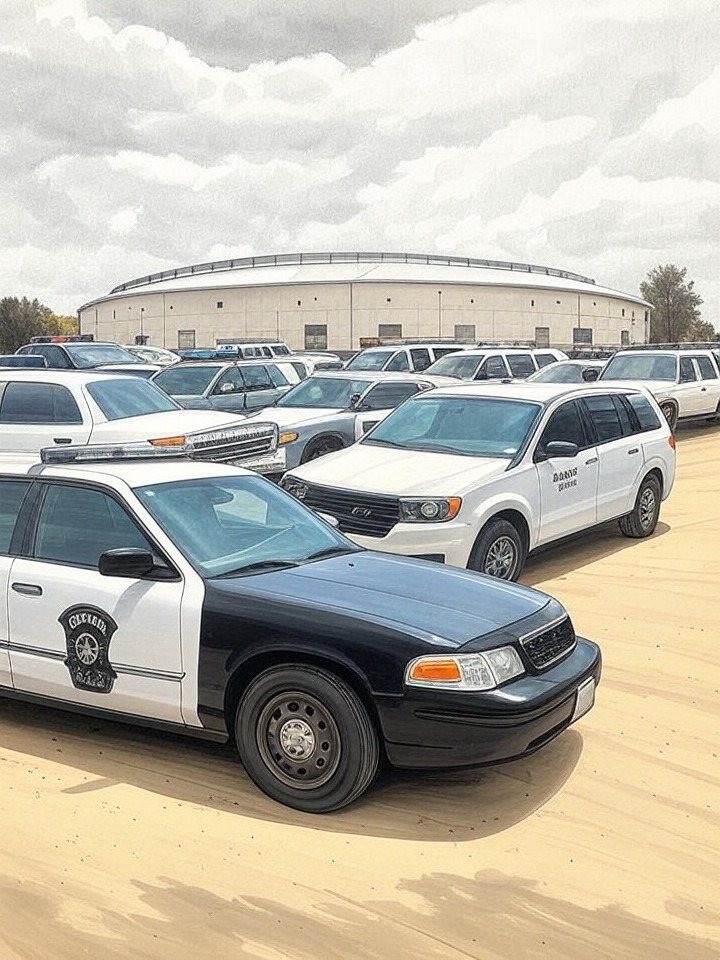
• Militarized Overreach on Families Civil liberties advocates argue that the deployment of 200 officers, armored vehicles, helicopters, and flashbangs against a family-oriented gathering constitutes a dangerous disproportion of force. By utilizing military-grade tactics to execute a gambling warrant, the state prioritized aggressive dominance over the safety of bystanders, including the toddler Juana Rodriguez was prevented from comforting. This approach suggests a systemic tendency to treat civilian spaces as war zones rather than communities requiring policing.
• Constitutional Rights Vacuum The detention of attendees until they could verify their lawful presence represents a fundamental violation of the Fourth Amendment and the presumption of innocence. Critics view the allegation that the criminal warrant served as a pretext for an immigration dragnet as evidence of racial profiling, where lawful permanent residents and U.S. citizens were treated as suspects solely based on their location and ethnicity. This "guilty until proven innocent" methodology erodes the foundational protections meant to shield citizens from arbitrary state detention.
• Systemic Transparency Failure The conflicting accounts between the FBI and the Caldwell Police Department regarding the zip-tying of minors expose a critical lack of accountability and operational integrity. When federal agencies initially deny actions that local departments later admit to—specifically regarding the restraint of a 14-year-old girl—it suggests an attempt to obfuscate the reality of the raid’s brutality. This inconsistency undermines public trust and suggests that institutional reputation is being prioritized over honest oversight of law enforcement conduct.
How it may affect me
As a U.S. reader:
• The outcome of this civil rights lawsuit may establish legal precedents regarding whether law enforcement can detain bystanders at large gatherings and require proof of lawful presence without individual suspicion.
• Public scrutiny over the use of armored vehicles and flashbangs in family-oriented settings could lead to policy changes regarding the deployment of militarized force during domestic police operations.
• Inconsistencies between federal and local police accounts concerning the restraint of minors highlight ongoing issues with inter-agency transparency that impact public confidence in law enforcement reporting.
• This event illustrates that attendance at venues targeted by criminal warrants can result in incidental immigration checks and detention, affecting how residents interact with public spaces.