
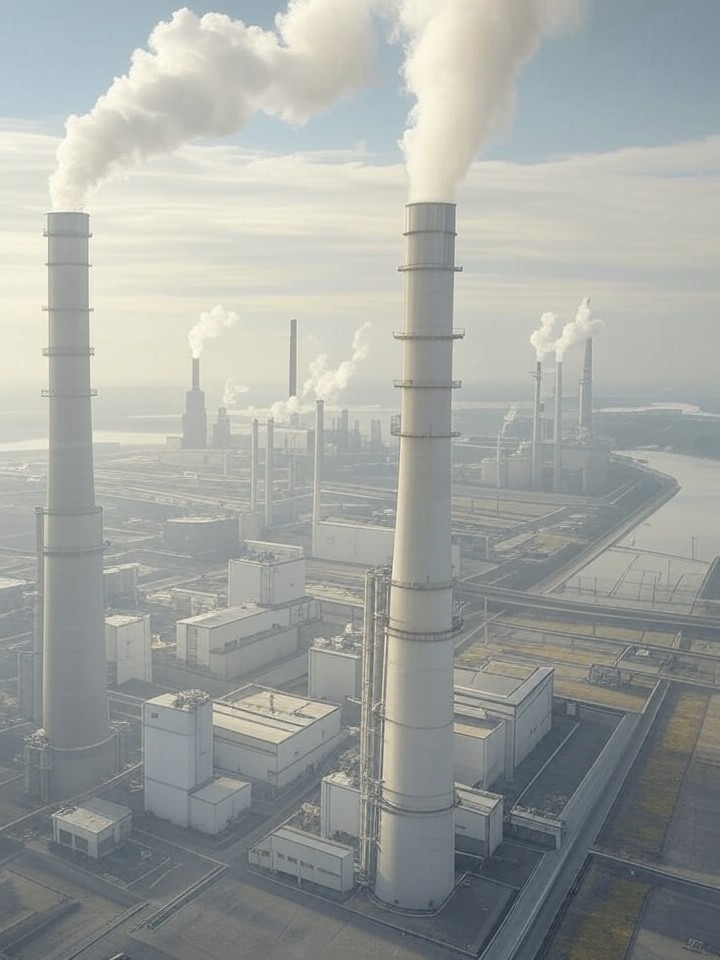
• Safeguarding Public Welfare The state’s primary obligation is to shield its citizens from demonstrable harm, prioritizing biological survival over industrial convenience. By revoking the "endangerment finding," the administration is effectively erasing the scientific consensus that greenhouse gases threaten public health. This move is viewed not as a policy adjustment, but as a rejection of evidence that leaves vulnerable populations exposed to escalating environmental risks without federal recourse.
• Institutional Dereliction Governance requires fidelity to established legal mandates, specifically the Supreme Court’s directive in *Massachusetts v. EPA* to determine if emissions endanger welfare. Critics argue that repealing the 2009 finding constitutes a "dereliction of duty," as it attempts to bypass a judicial command through administrative rollback. This creates a vacuum of accountability where the agency responsible for environmental protection voluntarily abdicates its authority to regulate pollution.
• Eroding Foundational Protections True progress relies on maintaining robust regulatory frameworks that prevent corporate entities from externalizing their costs onto the public. Dismantling the "legal foundation" for emissions standards and coal plant restrictions is seen as a regression that sacrifices long-term societal stability for short-term financial gain. The fear is that removing this cornerstone will trigger a domino effect, stripping away the necessary tools to manage the transition to cleaner technologies like electric vehicles.
How it may affect me
As a U.S. reader:
• Administration officials estimate that rolling back these regulations will save Americans over $1 trillion and potentially lower electricity costs previously inflated by compliance rules.
• The repeal is expected to dismantle mandates regarding electric vehicles, which proponents argue will restore broader consumer choices regarding the types of cars available for purchase.
• By revoking the legal foundation for emissions standards and coal plant restrictions, the federal government will effectively remove protections that opponents argue act as a shield against climate pollution and health risks.
• You can expect a protracted legal battle that creates long-term regulatory uncertainty, as environmental groups have vowed to challenge the decision in court cases likely to reach the Supreme Court.