
Lawmakers deadlock on DHS funding as Democrats reject GOP counterproposal on ICE reforms

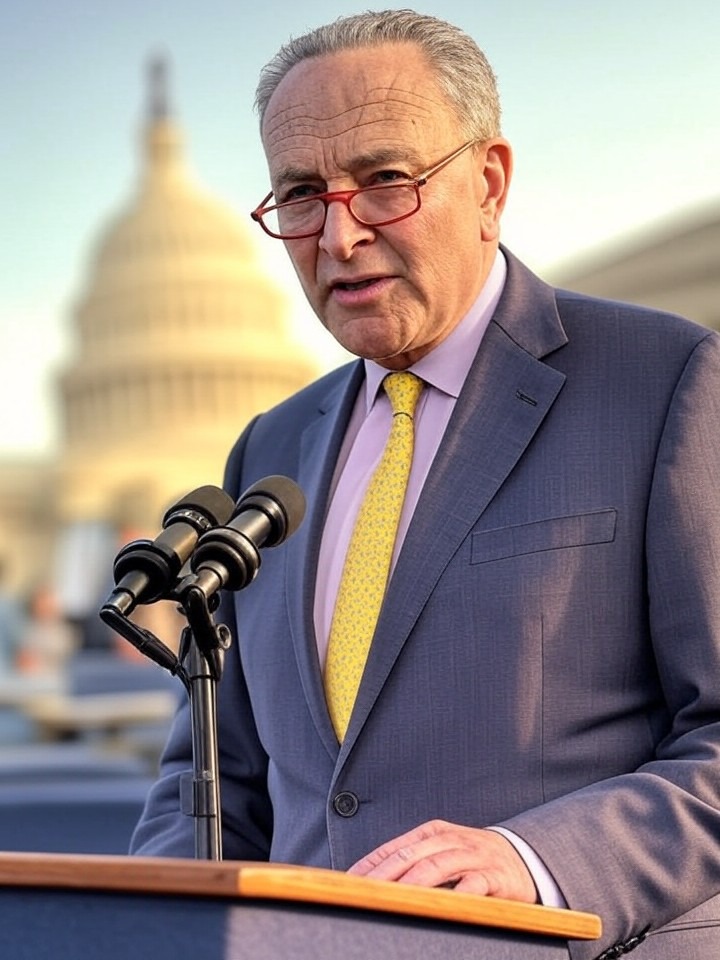
Illustration for: Lawmakers deadlock on DHS funding as Democrats reject GOP counterproposal on ICE reforms
AI-generated illustration. Visual interpretation does not represent real individuals or scenes.

THE BARE STORY

Congressional negotiations over Department of Homeland Security (DHS) funding remained at an impasse on Tuesday, just days before a Friday shutdown deadline. Democratic leaders rejected a counterproposal submitted by Republicans and the White House regarding immigration enforcement, describing the offer as "incomplete and insufficient."

The dispute centers on a series of reforms Democrats have demanded for Immigration and Customs Enforcement (ICE). Senate Minority Leader Chuck Schumer and House Minority Leader Hakeem Jeffries are seeking legislative changes that include mandatory body cameras, new use-of-force standards, a ban on face masks for agents, and a requirement for judicial warrants to enter private property. Republican leadership has opposed these measures. Senator Ron Johnson called the judicial warrant demand "unworkable," arguing it would overwhelm the court system, while Senate Majority Leader John Thune stated that Republicans would resist changes that hinder the detention and deportation of individuals residing in the country illegally.

If lawmakers fail to reach an agreement or pass a stopgap measure by Friday, a partial government shutdown would affect agencies including the Transportation Security Administration (TSA), the Federal Emergency Management Agency (FEMA), and the Coast Guard. ICE operations would largely remain unaffected, as the agency secured separate funding through legislation signed last year. House Majority Leader Steve Scalise warned that a lapse in DHS funding could disrupt travel and disaster relief efforts.

The funding battle intensified following two fatal incidents involving federal law enforcement in Minneapolis in January. Political tensions also rose on Tuesday regarding a severe cold snap in New York City, where officials confirmed 18 people have frozen to death. Scalise attributed the fatalities to the "socialist" leadership of New York City Mayor Zohran Mamdani. Mamdani’s administration stated it had deployed warming vehicles and urged homeless residents to utilize shelters. Thune indicated that a short-term funding extension may be necessary to continue negotiations.

Same Facts. Different Perspectives.

Two AI models. Two viewpoints. One factual foundation.

• Preserving Enforcement Efficiency Prioritizes the operational capability of law enforcement to maintain the rule of law and national sovereignty. Senator Johnson’s rejection of judicial warrants rests on the logic that adding procedural hurdles would overwhelm the court system and paralyze the state’s ability to detain or deport individuals illegally present. This framework views the proposed reforms as tactical obstructions designed to hollow out immigration laws from the inside.

• Safeguarding National Security Focuses on the immediate continuity of essential protective services over ideological debates. This side argues that threatening the funding of the TSA, Coast Guard, and FEMA creates a dangerous vulnerability in the national defense apparatus. By linking unrelated ICE policy disputes to the broader DHS budget, the opposition is seen as recklessly gambling with disaster relief and travel safety capabilities.

• Critiquing Administrative Failure Interprets the tragic fatalities in New York City as a grim warning against the consequences of progressive governance models. House Majority Leader Scalise’s attribution of the deaths to "socialist" leadership reflects a belief that when local governments prioritize ideological signaling over practical administration, basic social order collapses. This creates a parallel argument that weak enforcement—whether at the border or in city management—leads to avoidable loss of life.

How it may affect me

As a U.S. reader:

• If lawmakers fail to reach an agreement by Friday, you may face delays in air travel and security screening as the Transportation Security Administration is subject to the threatened funding lapse.

• Emergency response services provided by FEMA and the Coast Guard could be disrupted, potentially affecting disaster relief efforts and maritime safety operations.

• Immigration enforcement in your community will likely continue unchanged even during a shutdown, as ICE operations secured separate funding through previous legislation.

• Long-term federal enforcement standards may shift to include mandatory body cameras and judicial warrants for property entry if Democratic demands for increased civil liberty protections are incorporated into the final budget.

Read the story at

Note: All TheBareNews content is AI-generated. For additional context, reporting, and updates, you are invited to explore the news outlets linked above.