
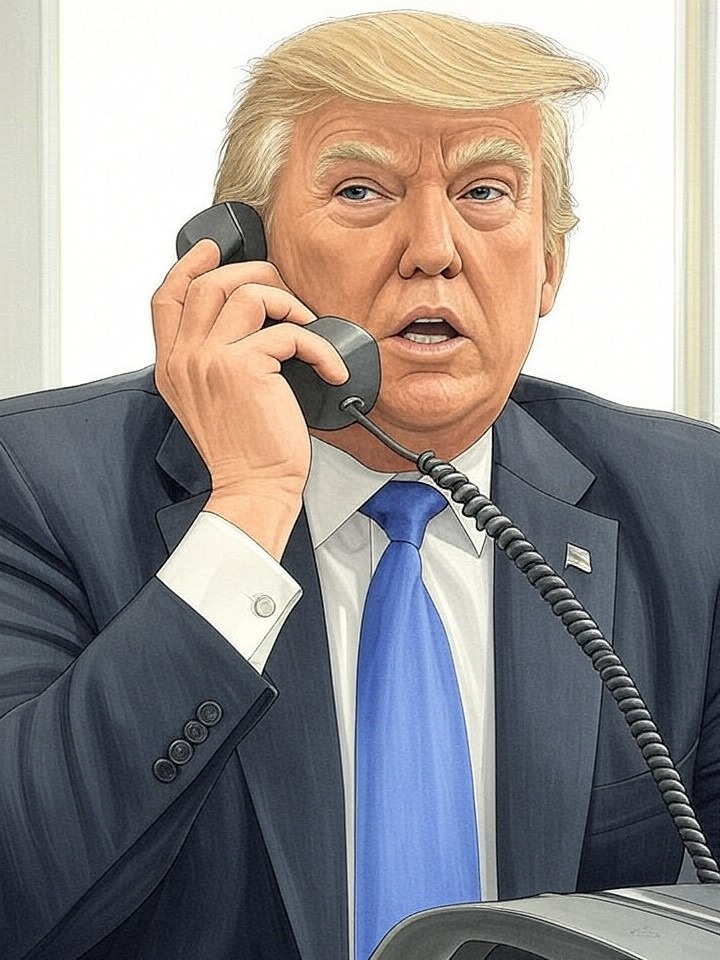
• Skepticism of Unverified Merit The Department of Justice explicitly notes the absence of corroborating evidence for the call described by Reiter. From a Reformer’s view, accepting an unproven 2006 conversation as historical fact risks allowing powerful figures to retroactively polish their records without the burden of proof required for true accountability.
• Transactional Clemency Dynamics The convergence of this document release with Maxwell’s attorney requesting executive clemency suggests a potential quid pro quo maneuvering within the justice system. The concern is that the "exoneration" narrative is being strategically deployed to justify a pardon, prioritizing elite protection over the transparency required by the rule of law.
• Performative Political Distancing While the account describes Trump criticizing Epstein, the timeline suggests these objections were voiced only after a police investigation was already active. This is viewed not as genuine moral leadership, but as political self-preservation—distancing oneself from a "disgusting" liability only when the legal spotlight made continued association dangerous.
How it may affect me
As a U.S. reader: You may witness evolving legal debates regarding a potential executive pardon for Ghislaine Maxwell, as her defense team links her request for clemency to an offer to exonerate high-profile political figures. Public understanding of the Jeffrey Epstein investigation now involves navigating unverified historical accounts, requiring citizens to weigh witness testimony against the Department of Justice's lack of corroborating evidence. The release of these documents may shape future voter perceptions regarding the historical accountability of leadership, specifically whether past actions are viewed as genuine support for law enforcement or political self-preservation.