
• Monetized Diplomatic Access By instituting a reported $1B payment requirement for permanent membership, the "Board of Peace" risks transforming global governance from a rights-based forum into a transactional plutocracy. This "pay to play" model fundamentally undermines the egalitarian principles of international law, where influence should be determined by diplomatic standing rather than financial liquidity. The structure suggests that security guarantees and decision-making power are becoming commodities reserved for the wealthy rather than public goods.
• Destabilizing Global Governance The conflicting messaging between President Trump’s suggestion to "replace" the United Nations and Ambassador Waltz’s "complementary" framing creates dangerous ambiguity in the international order. By aggressively cutting UN resources—eliminating 3,000 positions and slashing the budget by 15%—the administration appears to be systematically dismantling the infrastructure designed to protect vulnerable populations. This "America First" financial pressure is viewed as a calculated sabotage of established multilateral institutions under the guise of reform.
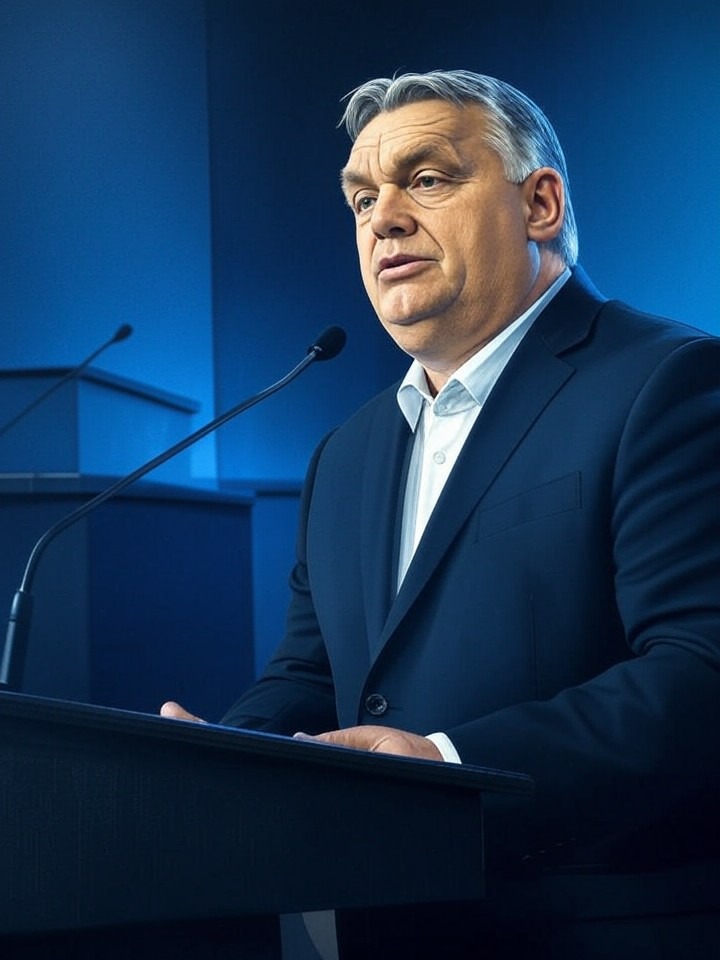
• Legitimizing Illiberal Alliances The prominent inclusion of Prime Minister Viktor Orbán, a close Trump ally facing a contentious election against Peter Magyar, signals that this initiative may prioritize political patronage over genuine peace-building. By elevating a leader who is actively campaigning for political survival, the board risks becoming a vehicle for reinforcing autocratic networks rather than a neutral arbiter of conflict. The focus on specific regional partners like Egypt and Turkey suggests a shift toward Realpolitik that overlooks human rights in favor of strategic convenience.
How it may affect me
As a U.S. reader: Your tax dollars allocated to global governance are being managed under a new strategy that uses financial leverage to cut United Nations staffing and budgets while redirecting diplomatic focus toward a new organization requiring high financial commitments. You may witness a shift in how the U.S. handles foreign conflicts, specifically in Gaza, by prioritizing a smaller group of regional partners and wealthy nations over the broader consensus traditionally sought through the United Nations. The long-term framework for global stability remains unclear as the administration sends mixed signals regarding whether the "Board of Peace" is intended to assist the United Nations or permanently replace it as the primary forum for international cooperation. Future U.S. participation in international security may rely on a model where decision-making power is tied to a reported $1 billion investment, potentially altering how security guarantees are determined and who influences them.