
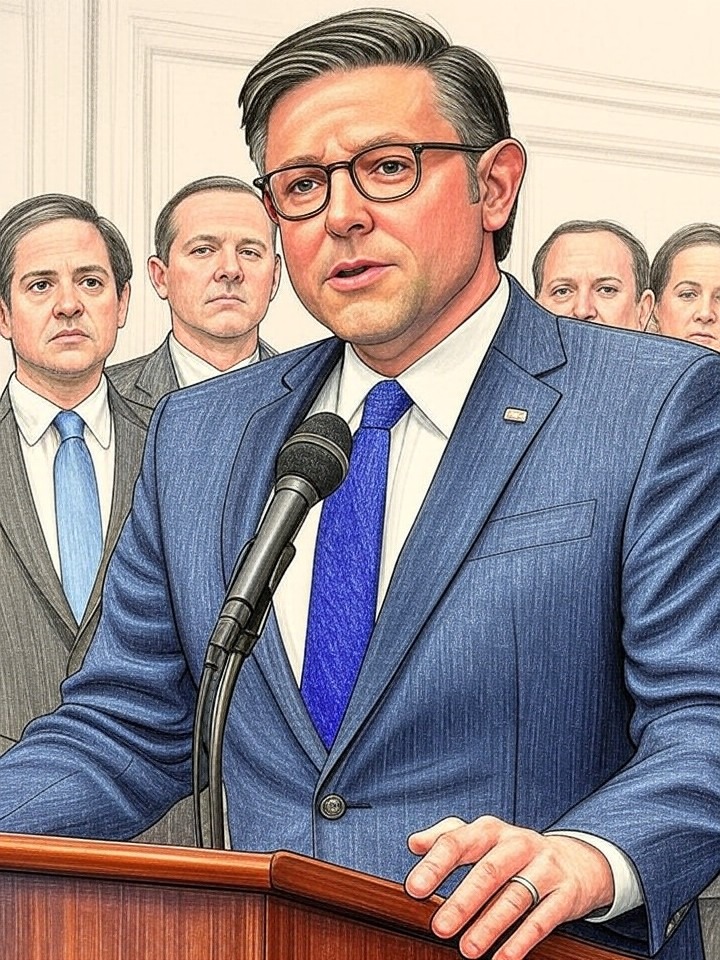
• Oversight and use-of-force reform Senate Majority Leader Chuck Schumer and House Minority Leader Hakeem Jeffries argue that systemic changes are necessary following two fatal shootings involving federal law enforcement in Minneapolis in January. To prevent further incidents like the deaths of Renee Good and Alex Pretti, they are demanding strict policy reforms, including new use-of-force standards and a requirement that agents obtain judicial warrants before entering private property.
• Transparency and identification requirements Proponents of the proposed reforms emphasize the need for greater transparency during enforcement operations. The Democratic platform includes specific mandates for agents to wear body cameras and a ban on the use of face masks to ensure officers can be identified. Leadership has conditioned their support for DHS funding on the inclusion of these accountability measures.
• Leadership accountability and opposition to temporary fixes Beyond policy changes, Democratic leaders have called for the removal of DHS Secretary Kristi Noem, signaling a loss of confidence in current agency management. Furthermore, Jeffries has taken a firm stance against temporary funding measures, stating he is a "hard no" on a continuing resolution, thereby leveraging the impending deadline to push for substantive legislative changes rather than a short-term extension.
How it may affect me
As a U.S. reader:
• If Congress misses the February 13 deadline, a lapse in appropriations would impact the operations of the Transportation Security Administration, the Coast Guard, and FEMA.
• Immigration and Customs Enforcement operations would largely continue uninterrupted regardless of the wider DHS funding dispute due to separate legislation.
• If proposed reforms are enacted, federal agents would be required to wear body cameras, obtain judicial warrants to enter private property, and stop using face masks.
• In the event of a long-term continuing resolution, current funding levels would extend through September without the implementation of new policy changes or oversight standards.