
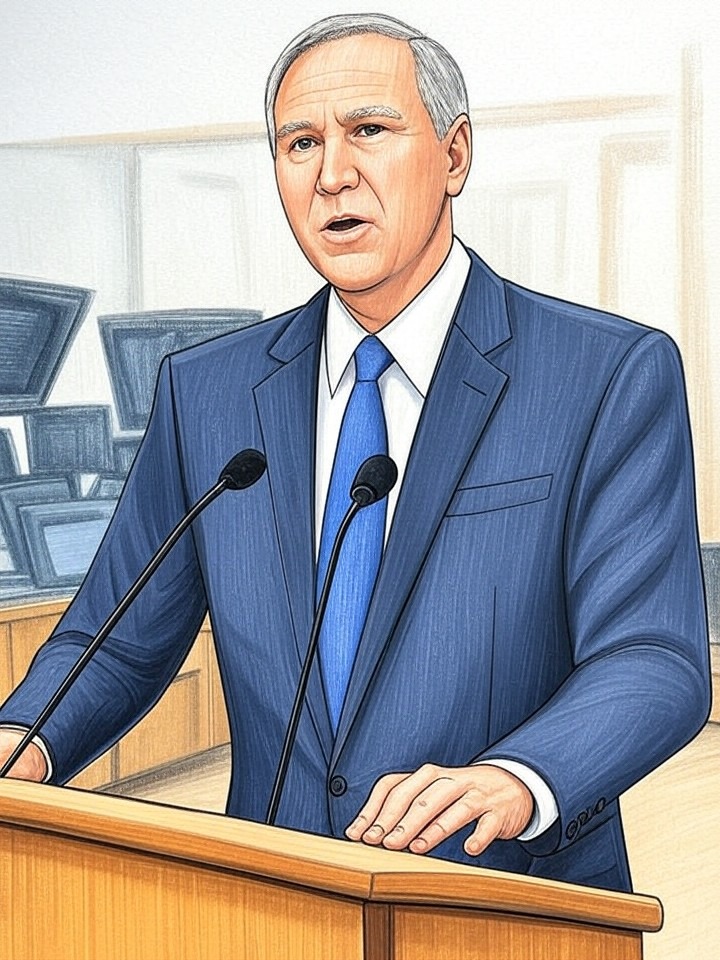
• Protection of Institutional Independence Senator Thom Tillis has positioned his blockade of Kevin Warsh’s nomination as a necessary measure to safeguard the independence of the Federal Reserve. Tillis argues that holding up the confirmation process is required until the Department of Justice (DOJ) concludes or de-escalates its investigation into current Chair Jerome Powell, stating he will support Warsh only once the matter is settled.
• Allegations of Coercion and Motivation Both Tillis and Powell have raised concerns regarding the intent behind the probe. Tillis suggested the prosecution might be politically motivated to please President Trump. Similarly, Powell has alleged that the administration is utilizing the investigation into his past statements as a means to pressure him into lowering interest rates.
• Commitment to the Blockade Senator Tillis emphasized the steadfast nature of his opposition, declaring he is prepared to prevent the advancement of nominees for the remainder of the current Congress, which has 333 days left. He maintains that this blockade will continue unless the investigation is formally adjudicated or de-escalated.
How it may affect me
As a U.S. reader:
• Allegations that the investigation is being used to pressure Chair Jerome Powell into lowering interest rates suggest that the outcome of this dispute could directly influence future decisions on borrowing costs.
• The blockade of Kevin Warsh’s nomination creates uncertainty regarding who will lead the Federal Reserve, with the possibility of confirmation delays lasting for the remainder of the congressional term.
• Continued conflict between the Senate and the administration highlights tensions regarding the independence of the central bank, potentially affecting confidence in how economic policy is managed without political interference.
• The investigation into cost overruns at the Federal Reserve headquarters ensures that fiscal accountability and the spending of agency funds will remain a focal point of public and legislative scrutiny.