
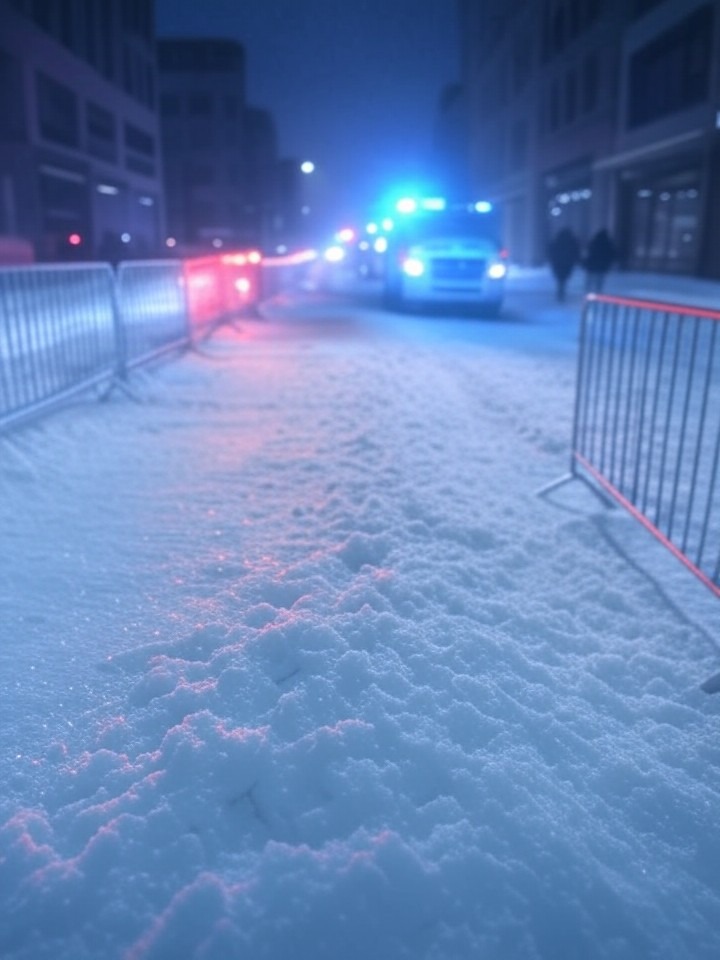
• Significant use of force by federal agents During the February 3 confrontation in south Minneapolis, ICE agents drew firearms and pointed weapons at a vehicle, according to photos from the scene. While officials claim the agents were obstructed, the incident resulted in federal officers brandishing lethal weapons in a public setting during an encounter that led to the detention of at least one individual.
• Mass arrests of demonstrators On January 28, university police arrested 67 individuals during a demonstration organized by Students for a Democratic Society (UMN SDS). The protest, which focused on the Graduate by Hilton hotel due to claims that it was housing ICE agents, resulted in dozens of misdemeanor charges for unlawful assembly and disorderly conduct after police declared the gathering unlawful.
• Continued activism despite administrative crackdown The student group involved, UMN SDS, has reportedly shifted its focus specifically to "anti-ICE agitation." This activism persists even though the university suspended the group in January 2025 citing policy violations. Among those arrested and booked was Jack Louis Nimz, a Minneapolis Public Schools teacher who serves as the national president of the student organization.
How it may affect me
As a U.S. reader: Residents in urban areas may witness escalated confrontations involving firearms between federal agents and civilians during immigration enforcement operations. Public safety could be impacted in the short term if interference with law enforcement allows targeted suspects with prior criminal charges to evade arrest and remain in the community. Participants in protests near hotels or government targets face a higher likelihood of mass arrest and misdemeanor charges if authorities declare assemblies unlawful due to noise or physical disruption. Students and public employees involved in activism may encounter strict enforcement of institutional policies, including suspension of group status or legal bookings that could affect professional standing.