
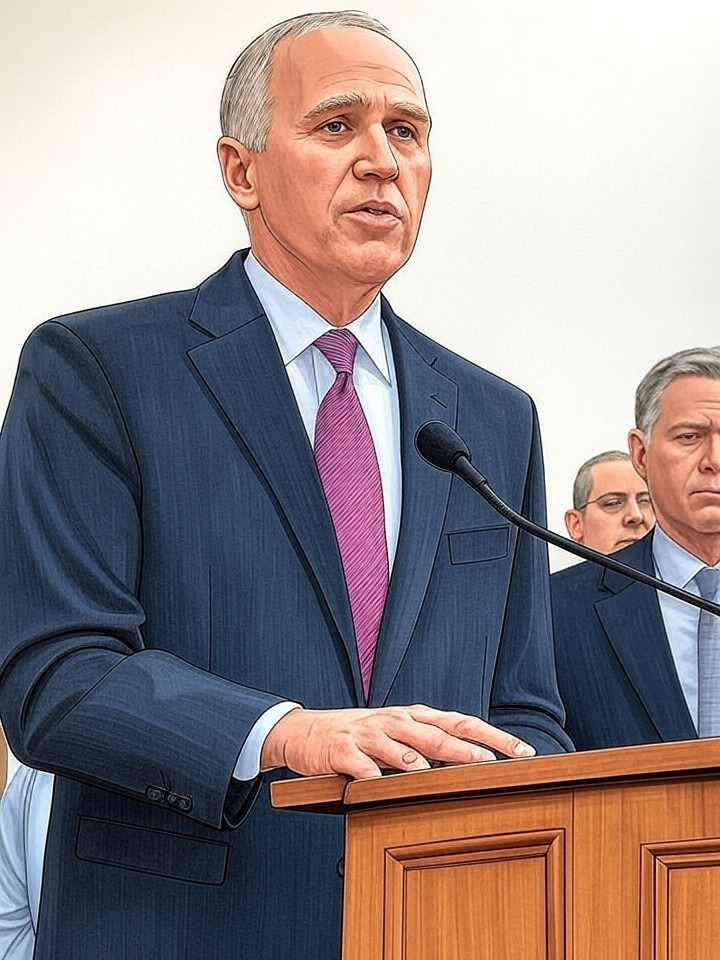
• Concerns over political control Democratic lawmakers, led by Senator Elizabeth Warren, have characterized the ongoing investigations into current Federal Reserve officials as "pretextual." They argue that replacing the central bank’s leadership while these inquiries are active would effectively allow the administration to seize control of the Federal Reserve.
• Protection of institutional independence Republican Senator Thom Tillis justified his move to block the nomination by citing a need to preserve the Federal Reserve's independence. Tillis stated that he would oppose all central bank nominees until the probe into Chair Jerome Powell is "fully and transparently resolved."
• Insufficiency of presidential pardons Senator Tillis clarified that a potential presidential pardon for Powell would not induce him to lift his blockade on the nomination. He argued that such an action might imply guilt, reinforcing his position that the inquiry must be concluded through standard procedures rather than executive intervention.
How it may affect me
As a U.S. reader:
• You will likely see a delay in the confirmation of a new Federal Reserve Chair, as a deadlock in the Senate Banking Committee prevents Kevin Warsh's nomination from advancing to the full Senate.
• You can expect uncertainty regarding the central bank's leadership to persist until the Justice Department fully resolves investigations into current officials regarding allegations of perjury, cost overruns, and mortgage fraud.
• You may observe a prolonged legislative standoff, as Senator Thom Tillis has vowed to block all nominees until these inquiries conclude, stating that even a presidential pardon would not resolve the impasse.
• You will witness a continued debate over the Federal Reserve's autonomy, with lawmakers arguing that replacing the chair during active probes could compromise the institution's independence from the administration.