
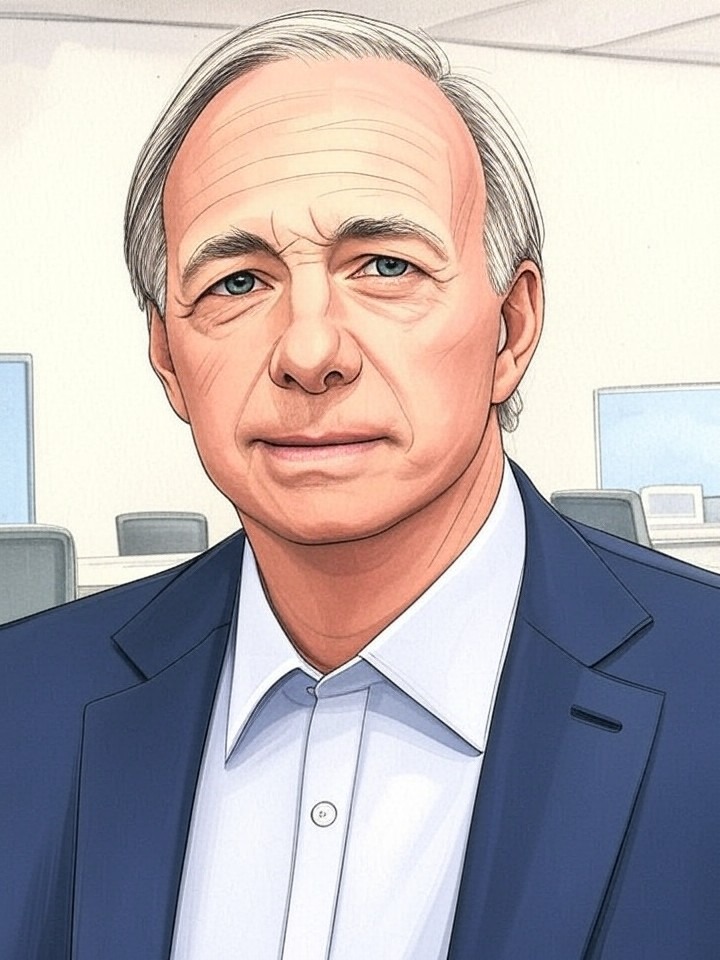
• The threat of a "capital war" Ray Dalio, speaking at the World Governments Summit, argued that the global economy is facing the weaponization of money. According to Dalio, this conflict is characterized by trade embargoes, restrictions on market access, and the use of debt as leverage. He pointed to "mutual fears" between the United States and Europe as a source of rising risk, specifically citing punitive tariffs and the Trump administration’s geopolitical moves regarding Greenland.
• Gold as a strategic hedge Amidst these tensions, major financial figures are advocating for precious metals as a necessary portfolio diversifier. The CEO of UBS noted that clients are actively moving capital from the technology sector into precious metals for protection. This sentiment is supported by aggressive price targets from major institutions; BofA Securities projects gold hitting $6,000 in the coming months, while Goldman Sachs has set a target of $5,400 by the end of 2026.
• Institutional preparations for control There are indications that major economic players are positioning themselves for a shift in the financial landscape. Dalio claimed that central banks and sovereign wealth funds are already preparing provisions for capital controls. Furthermore, BofA Securities cited expected buying from central banks as a key driver behind their bullish price forecasts for gold.
How it may affect me
As a U.S. reader: Investment portfolios may experience volatility and sector rotation, as UBS reports clients moving capital from technology stocks into precious metals and major banks project gold prices reaching up to $6,000 in the coming months. Borrowing costs and economic direction face uncertainty due to the upcoming November mid-term elections and the undefined future of interest rates under Federal Reserve Chair nominee Kevin Warsh. The purchasing power of savings could be impacted by a softening U.S. dollar, which analysts identified as a driver behind the recent surge in gold and silver prices. Access to international markets and goods could be restricted in the long term if the warned "capital war" materializes through trade embargoes or if central banks implement capital controls.