
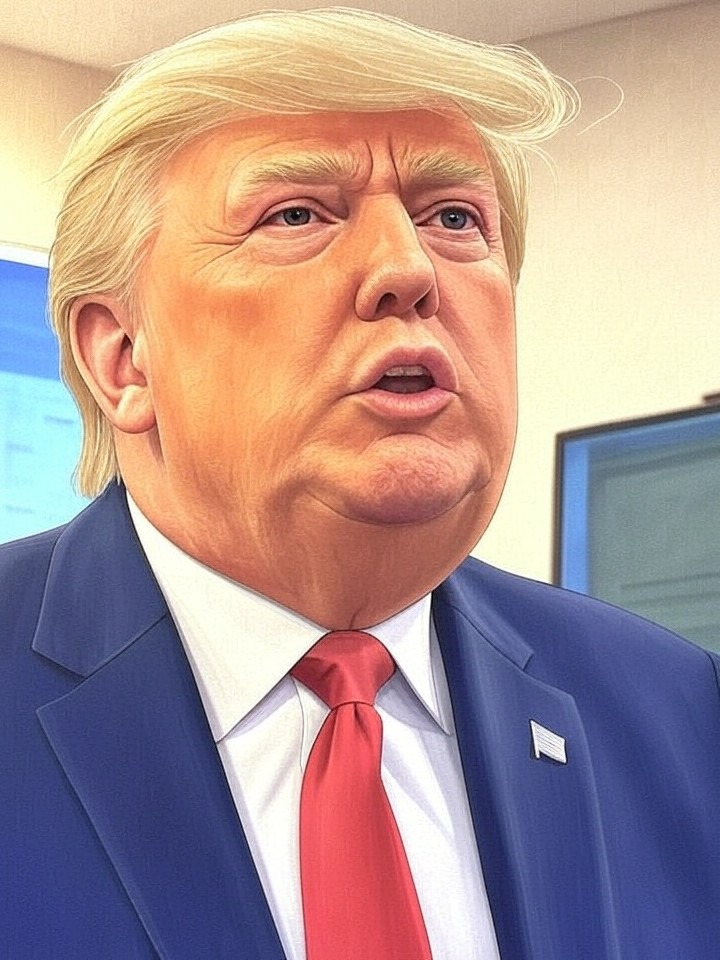
• Risks of regional escalation Observers concerned with stability emphasize the warning issued by Iranian officials, who stated that a military strike would trigger a broader regional conflict. This perspective highlights the correlation between the recent incidents and the significant increase in the American military presence, suggesting that the "armada" described by President Trump contributes to heightened tensions in the area.
• Threat to ongoing negotiations There is apprehension that military friction could derail essential diplomatic efforts. While negotiations involving U.S. envoy Steve Witkoff and Iranian officials are scheduled for Friday in Turkey, reports indicate the status of these talks is uncertain. Some accounts suggest Iranian officials have threatened to withdraw from the dialogue specifically due to the recent military confrontations.
• Persistence of diplomatic channels Despite the hostile encounters, proponents of a diplomatic solution point out that channels remain open and active. U.S. envoy Steve Witkoff is proceeding with travel to Israel for talks, and there are signals that some Iranian officials maintain a willingness to negotiate. This view prioritizes preserving these fragile diplomatic avenues over further military posturing.
How it may affect me
As a U.S. reader:
• The attempted interception of a U.S.-flagged oil tanker highlights potential risks to commercial shipping in the Strait of Hormuz, though current U.S. naval escorts are actively ensuring the safety of these vessels.
• Diplomatic efforts intended to resolve tensions may be jeopardized, as scheduled negotiations in Turkey face uncertainty and could be cancelled if recent military friction causes parties to withdraw.
• U.S. service members in the region are operating in an active defensive environment, evidenced by the recent downing of a drone and the deployment of additional ships to the area.
• Warnings from Iranian officials that a military strike would trigger a regional conflict suggest a potential for broader hostilities involving American forces if the current standoff escalates.