
• Concerns regarding conflict of interest Critics question the propriety of a foreign official funding a company tied to the President. Reports allege that a firm backed by the UAE’s national security adviser purchased a large stake in World Liberty Financial, resulting in approximately $187 million allegedly flowing to Trump family entities. Lawmakers, including Senator Elizabeth Warren, have characterized these events as corruption.
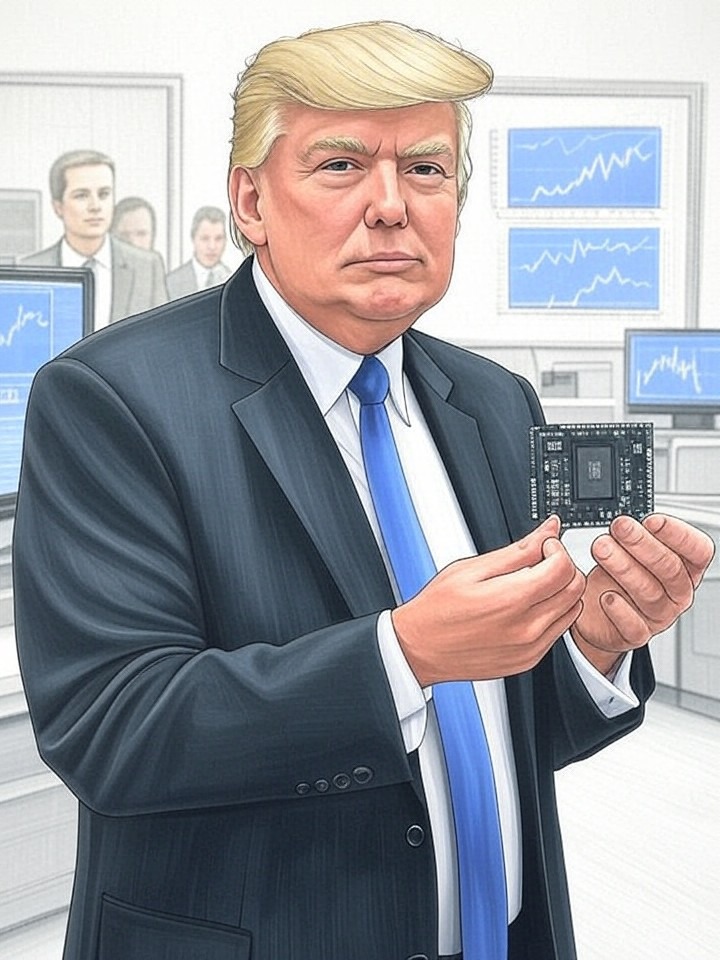
• Scrutiny of policy timing and potential quid pro quo Observers point to the close succession of events, noting that the investment occurred just days before the inauguration and was followed months later by a significant policy shift. The administration authorized the sale of AI chips to the UAE—specifically allocating some to a company under the same Sheikh’s control—after the export license had previously been blocked.
• Risks to national security Congressional Democrats have called for officials to testify on whether national security was compromised by the policy change. The export of these advanced American-made chips had been blocked by the prior administration due to concerns that the technology could be diverted to China, prompting questions about the motivation behind reversing that decision.
How it may affect me
As a U.S. reader:
• The authorization of AI chip exports to the UAE signals a shift in U.S. trade policy, allowing American-made technology to be sold in markets that were previously restricted by federal regulators.
• You may face long-term national security implications if the specific concerns cited for the original blockade materialize, namely the risk that advanced American chips could be diverted to China.
• Public confidence in government ethics standards may be tested as Congress scrutinizes whether foreign financial investments in businesses tied to the President are influencing executive policy decisions despite the use of trust structures.
• You can expect continued political friction and potential hearings as lawmakers demand testimony on whether national security was compromised by the reversal of the export ban.