
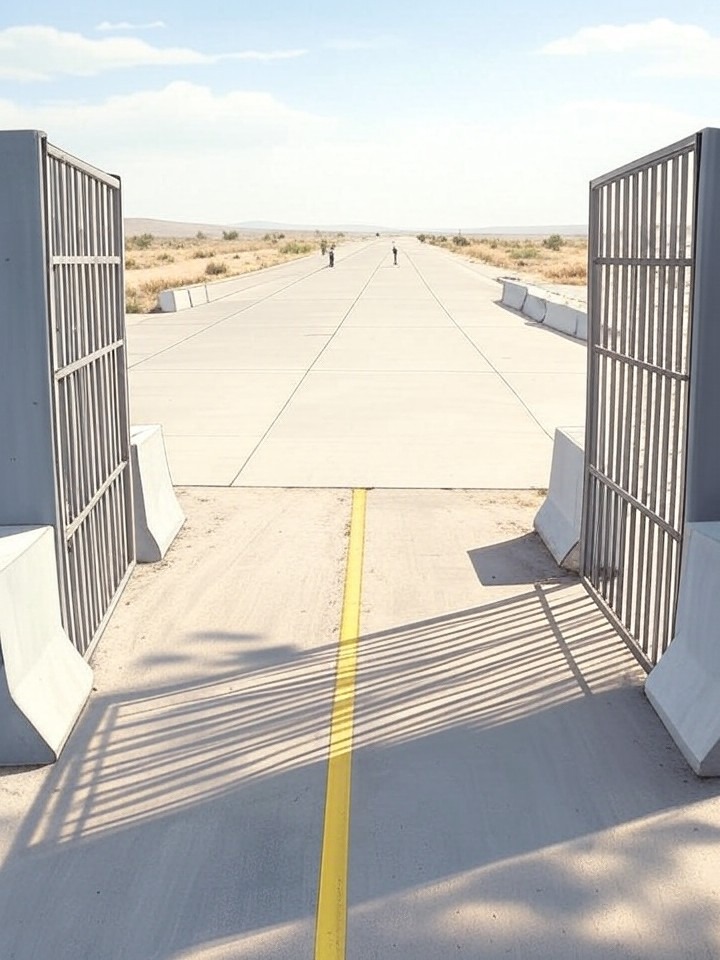
• Critical access for medical care According to the Israeli Prime Minister, 50 patients per day will be permitted to leave Gaza for medical treatment. This reopening addresses an urgent need highlighted by Gaza health officials, who report that approximately 20,000 individuals within the territory currently require medical evacuation. Additionally, officials involved in the negotiations noted that patients may be accompanied by relatives.
• Steps toward reunification and return The reopening offers a pathway for Palestinians outside the enclave to return home. Reports indicate that thousands of Palestinians are currently waiting to return to Gaza. An Egyptian official confirmed that 50 Palestinians would be allowed to cross in each direction on the first day, marking the beginning of this process.
• Potential for expanded operations While the initial movement is limited, there is a diplomatic framework in place to potentially increase traveler numbers. An official involved in the negotiations stated that the volume of travelers might rise if the initial system proves successful. This step is part of a broader U.S.-brokered ceasefire agreement that includes plans for a new Palestinian governing committee.
How it may affect me
As a U.S. reader:
• You are witnessing the practical application of U.S. foreign policy, as the reopening of the crossing is a direct result of the second phase of a ceasefire agreement brokered by the United States.
• The stability of this arrangement relies on multinational cooperation, involving European Union border patrol agents and plans for a future international security force, rather than sole reliance on local actors.
• The success of this initial limited reopening for medical patients and travelers will determine whether the U.S.-backed framework can expand to include broader movement and a new governing committee.