
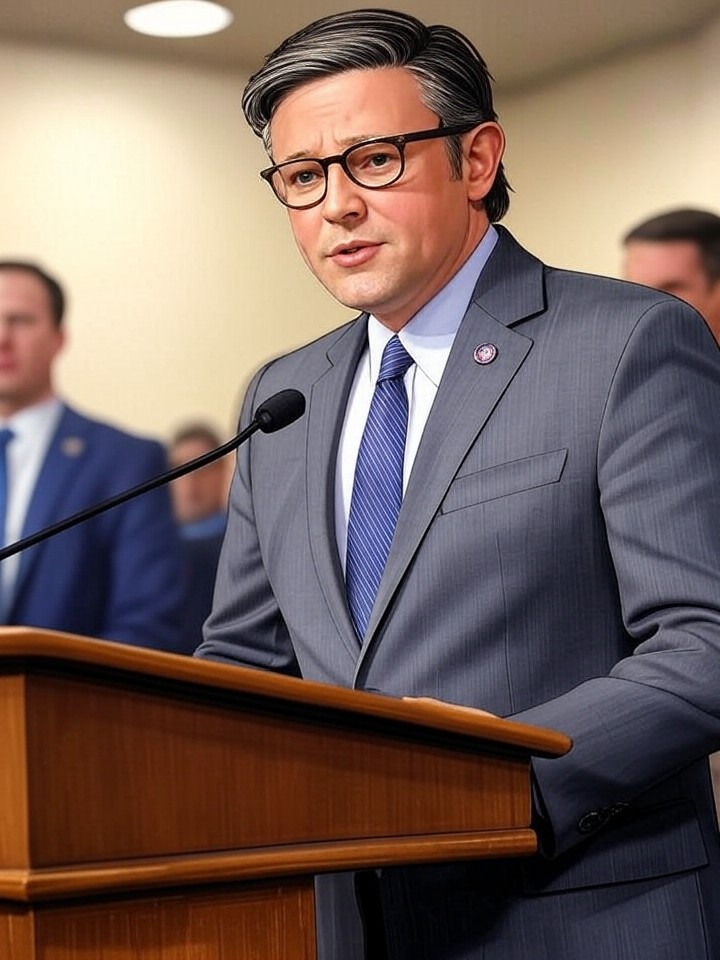
• Demand for dramatic reforms to federal law enforcement Following the fatal shooting of two U.S. citizens—identified in reports as including Alex Pretti—by federal agents in Minneapolis, House Minority Leader Hakeem Jeffries is calling for "dramatic reform" to Immigration and Customs Enforcement (ICE) operations. Specifically, Democrats are demanding legislation that requires agents to wear body cameras, remain unmasked, and obtain judicial warrants before acting.
• Refusal to fast-track funding without changes Citing these grievances, Jeffries announced that Democrats would not assist in fast-tracking the Senate-approved funding bill. The Minority Leader indicated that the party is withholding support to leverage changes in the legislation, particularly regarding the Department of Homeland Security (DHS), which is currently slated for only a two-week stopgap measure in the proposed package.
• Condemnation of administration tactics Democratic leadership has harshly criticized the conduct of the current executive branch and its enforcement arm. Jeffries characterized the Trump administration as "lawless" and described certain federal agents involved in recent operations as "masked thugs," signaling a deep lack of trust in the current operational standards of federal law enforcement.
How it may affect me
As a U.S. reader:
• You are currently experiencing a partial suspension of federal government services that began Saturday and is expected to continue until at least Tuesday when the House votes on a funding package.
• If the proposed legislation passes, the Pentagon and several other agencies will receive full long-term funding, while the Department of Homeland Security will operate under a temporary two-week measure, leaving immigration enforcement budgets unsettled.
• The outcome of this legislative dispute may determine future conduct standards for federal agents, as Democrats are demanding mandatory body cameras, unmasked agents, and judicial warrants, while Republicans reject these restrictions.
• The reopening of the government currently relies on Republican unity rather than bipartisan cooperation, as Democrats have refused to fast-track the bill and some conservative senators are pushing for stricter voter registration requirements.