
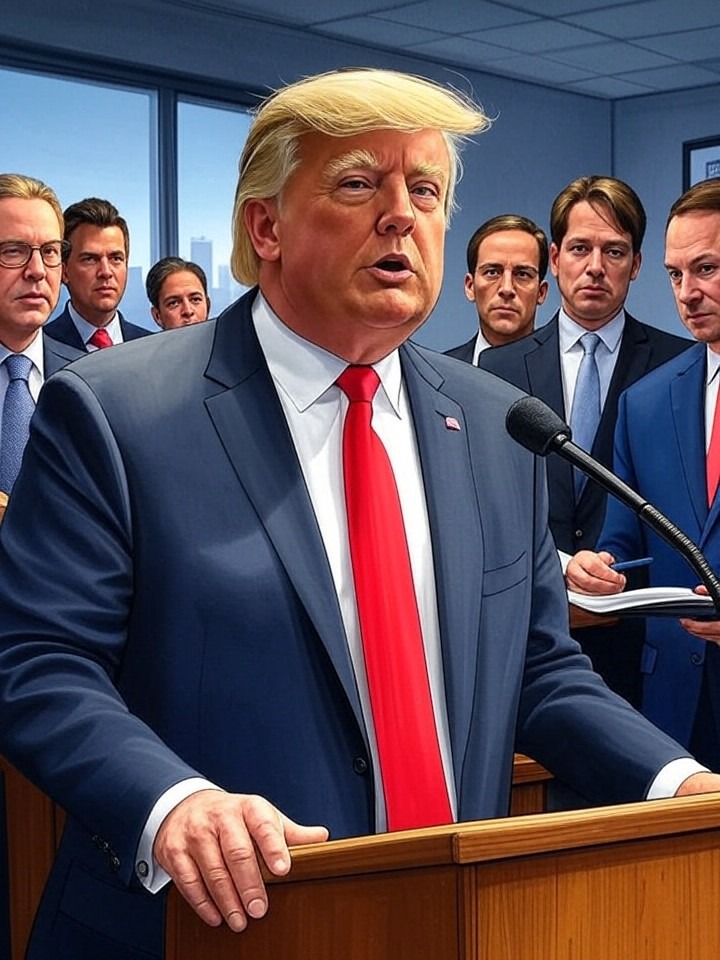
• Rising military tensions Recent developments highlight a sharp increase in military posturing between Tehran and Washington. Iran is scheduled to conduct live-fire naval drills in the Strait of Hormuz—a crucial waterway for oil commerce—while the U.S. President has confirmed the deployment of a significant naval fleet, including an aircraft carrier, to the region amid ongoing threats of potential action.
• Legislative and institutional retaliation Political conflict between Iran and the West has escalated following the European Union's decision to classify the Islamic Revolutionary Guard Corps as a terror organization due to the government's suppression of protesters. In a direct countermeasure, the speaker of Iran’s parliament announced that Tehran has designated all EU military forces as terrorist groups, deepening the diplomatic rift.
• Domestic volatility and casualties Coinciding with these geopolitical strains, Iran faced fatal domestic incidents just a day before its planned military exercises. Separate explosions in Bandar Abbas and Ahvaz resulted in multiple deaths, including a child, and numerous injuries. While authorities cited gas leaks, these events occurred against a backdrop of reported government crackdowns on demonstrations.
How it may affect me
As a U.S. reader: You may experience fluctuations in energy prices because Iran is conducting live-fire military drills in the Strait of Hormuz, a waterway described as critical for global oil commerce. U.S. service members and their families face immediate deployment implications following the President's confirmation that a significant naval fleet, including an aircraft carrier, is moving to the Middle East. Long-term national security conditions could shift depending on whether the reported serious conversations with Tehran result in a negotiated agreement on nuclear ambitions or if the situation escalates to military strikes. The potential for immediate conflict involving the U.S. may be tempered by active mediation efforts from officials in Egypt and Qatar who are working to facilitate dialogue between Washington and Tehran.